Volkswagen Suspension Repair in Dubai: Expert VW Service for Comfort, Safety & Control
A healthy suspension system is the heart of your Volkswagen’s smooth drive and safety. Whether you drive a sporty Golf GTI or a luxury Touareg SUV, keeping the suspension in top shape ensures precise handling, tire stability, and passenger comfort.
This detailed guide explains everything about Volkswagen suspension repair in Dubai, from symptoms and diagnostic steps to cost factors, models covered, OEM parts, and air suspension systems.
Understanding the Importance of Suspension in Your Volkswagen
What Does the Suspension Do?
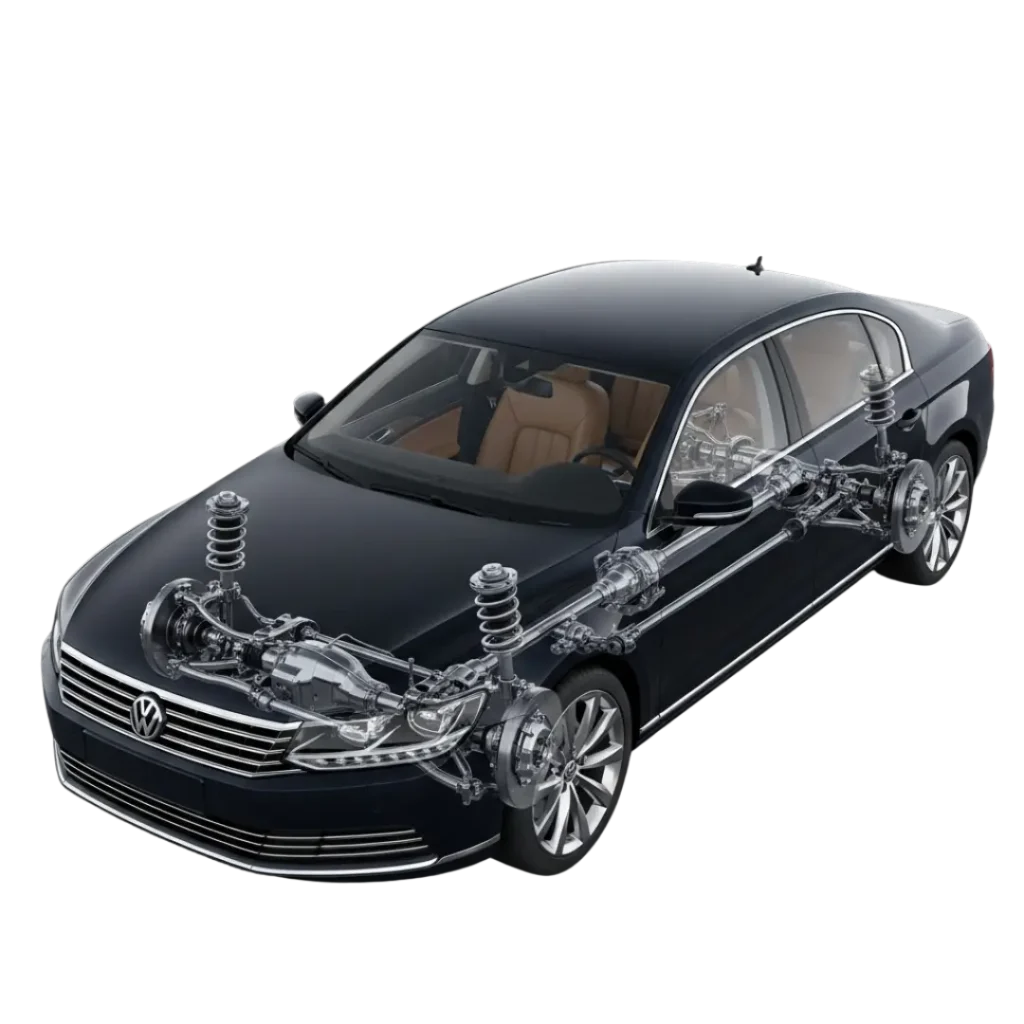
Your VW’s suspension system keeps all four tires in contact with the road and absorbs road imperfections for a smoother, safer drive. It also stabilizes the car during cornering and braking, protecting passengers and ensuring predictable handling.
Why Volkswagen Suspension Needs Specialized Care
Volkswagen suspension geometry and damper calibration are engineered differently for each model. Even a minor mismatch in parts or improper installation can ruin ride balance and safety. That’s why VW-specific diagnostics and trained technicians are essential.
Common Signs Your Volkswagen Suspension Needs Repair
Uncomfortable or Bouncy Ride
If your VW feels rough or “floaty,” the shocks or struts may have lost damping ability.
Vehicle Nose Dives While Braking
Excessive front-end dipping under braking signals worn struts or weak springs.
Pulling or Steering Instability
A worn control arm or uneven suspension height can cause the car to pull to one side.
Uneven Tire Wear
Suspension imbalance changes alignment, causing rapid tire wear or feathered edges.
Noises or Visible Damage
Clunking sounds, oil leaks around shocks, or one side sitting lower indicate suspension issues that require inspection.
Symptoms of a Faulty Volkswagen Suspension
Even subtle changes in your VW’s handling can indicate suspension problems. Recognizing these symptoms early helps prevent costly repairs.
1. Excessive Bouncing Over Bumps
If your car continues to bounce after hitting a pothole or speed bump, the shocks or struts may be worn out and unable to dampen motion properly.
2. Nose-Diving or Squatting
A front-end dip when braking (nose-dive) or rear squatting during acceleration signals weakened suspension springs or dampers.
3. Drifting or Pulling While Turning
If your VW drifts to one side during cornering, it may indicate uneven suspension wear, misaligned control arms, or worn bushings.
4. Uneven Tire Wear
Suspension issues often lead to camber or toe misalignment, causing uneven tire wear such as feathering or cupping.
5. Unusual Noises
Clunking, knocking, squeaking, or creaking noises when driving over bumps or turning are common signs of failing suspension components like control arms, mounts, or bushings.
6. Vehicle Sitting Lower on One Corner
A visible sag on one side can indicate a broken coil spring, air spring leak, or worn strut.
Our Volkswagen Suspension Repair Process
Advanced Diagnostic Inspection
We start with a VW-specific suspension check:
- Visual inspection for leaks and cracks.
- Road test to evaluate ride feel and noise.
- Computer diagnostics for adaptive or air suspension systems.
Identify Faulty Components
Our team isolates issues in shocks, struts, control arms, springs, bushings, or sensors — avoiding unnecessary part replacements.
Repair or Replace with OEM Parts
- Replace: Damaged struts, air springs, mounts, or bushings.
- Repair: Suspension arms, stabilizer links, or bearings if feasible.
Alignment & Calibration
We perform four-wheel alignment and recalibration to VW factory specifications.
Final Road Test & Quality Check
The final step ensures perfect ride height, comfort, and handling before delivery.
Volkswagen Models We Service in Dubai
We service all Volkswagen models, from hatchbacks to SUVs and electric vehicles.
| Volkswagen Model | Suspension Type | Common Issues | Recommended Repair |
|---|---|---|---|
| Polo / Polo GTI | MacPherson Strut (Front), Torsion Beam (Rear) | Noisy shocks, worn bushings | Shock absorber replacement, bush set |
| Golf / Golf GTI / Golf R | Multi-link rear, adaptive dampers | Leaking struts, uneven height | Strut & mount replacement, alignment |
| Jetta | Coil-spring setup | Vibration over bumps | Spring & control arm check |
| Passat | Multi-link independent | Clunking noise, bottoming out | Strut & mount change |
| Arteon | Adaptive DCC suspension | Faulty sensors, harsh ride | DCC module & sensor calibration |
| Tiguan | Multi-link rear, front struts | Harsh ride, misalignment | Strut replacement, wheel alignment |
| Touareg | Air suspension | Air leak, compressor failure | Airbag or compressor repair |
| Amarok | Leaf spring (rear), coil front | Sagging rear, uneven stance | Spring or shock upgrade |
| T-Roc / T-Cross | Coil spring setup | Rear-end bounce | Damper replacement |
| ID.4 / ID. Buzz (EV) | Electric adaptive suspension | Sensor fault, height variation | Sensor recalibration, electronic diagnosis |
Why Covering All Models Matters
Each VW model has a unique setup, from coil springs to adaptive air systems. Understanding these differences ensures accurate diagnosis and longer-lasting results.
Types of Volkswagen Suspension Systems
MacPherson Strut Suspension
Common in Polo, Golf, and Jetta
Simple, lightweight, and cost-effective
Absorbs bumps efficiently; ideal for hatchbacks and sedans
Multi-Link Suspension
Found in Passat, Tiguan, Arteon
Provides superior handling and ride comfort
Independent control of each wheel reduces tire wear
Torsion Beam Suspension
Typically, the rear suspension in the Polo and other compact models
Durable and simple, but less adjustable than multi-link
Coil Spring Suspension
Standard in most VW sedans and compact SUVs Works with shocks or struts to maintain ride height and absorb impact
Air Suspension
Present in Touareg, Arteon, and some high-end Tiguan variants
Adjustable ride height and comfort
Sensitive system requiring calibration and proper maintenance
Adaptive / DCC
Active damping system in Golf R, Arteon, Tiguan, Touareg
Automatically adjusts shock stiffness based on road and driving mode
Volkswagen Air Suspension Repair in Dubai
How VW Air Suspension Works
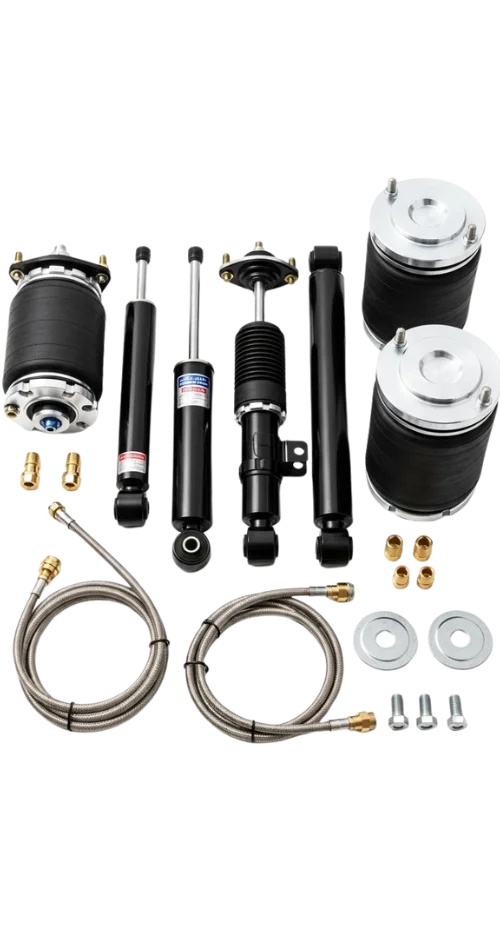
High-end models like Touareg and Arteon use air suspension systems controlled by compressors, valves, and sensors that adjust ride height automatically.
Common Air Suspension Problems
- Air spring leaks
- Faulty ride height sensors
- Compressor overheating
- Valve block or control module issues
Repair & Calibration Process
We use Volkswagen-approved diagnostic tools to locate leaks, test compressor performance, replace defective parts, and recalibrate ride height for factory precision.
Preventive Tips
Keep the compressor clean, inspect air lines annually, and fix minor leaks early to avoid system failure.
Volkswagen Suspension Repair Cost in Dubai
We don’t list fixed prices because the cost depends on multiple factors:
1. Model and Year
High-end or newer VW models with air or adaptive systems generally cost more to service.
2. Type of Suspension
Air suspension repairs are more complex and require calibration tools, unlike standard coil setups.
3. Damage Extent
Replacing a single strut costs less than a full suspension overhaul involving springs, control arms, and sensors.
4. Parts Type
Genuine OEM parts cost more but guarantee reliability and fitment. Aftermarket parts are cheaper but vary in quality.
5. Labor & Diagnostic Expertise
VW-trained technicians use advanced tools that ensure precision, which is reflected in labor cost.
6. Additional Services
Wheel alignment, bushing replacement, and calibration may add to the total estimate.
Tip: Always get a detailed inspection before quoting. That ensures an accurate, model-specific estimate.
Why Timely Suspension Repair Protects Your Investment
Your Volkswagen is a sophisticated machine, and its suspension system plays a critical role in preserving both safety and long-term value. Addressing suspension issues early protects multiple components and prevents small problems from turning into costly repairs.
1. Prevents Additional Wear and Tear
A failing suspension can strain tires, brakes, steering components, and even the chassis. Timely repair ensures that worn shocks, struts, or bushings don’t accelerate damage to other parts of your VW.
2. Preserves Ride Comfort and Handling
A well-maintained suspension keeps your vehicle balanced and stable. Early intervention restores the smooth ride and precise handling your Volkswagen was designed to deliver.
3. Reduces Long-Term Repair Costs
Minor fixes like replacing worn bushings or a single strut are far less expensive than a full suspension overhaul caused by neglect. Early repair saves both time and money.
4. Maintains Vehicle Value
If you plan to sell or trade your VW in the future, a properly maintained suspension increases resale value. Buyers and dealers prefer vehicles with documented maintenance and no hidden suspension problems.
5. Ensures Safety for You and Your Passengers
A compromised suspension affects braking, traction, and vehicle control, especially in emergency maneuvers. Timely repair protects your safety and ensures reliable performance in every drive.
Pro Tip: Schedule a suspension check every 20,000–30,000 km or at the first sign of bumpy handling at a trusted suspension repair center. Early detection is the key to long-lasting performance and cost savings.
Maintenance Tips for Volkswagen Suspension
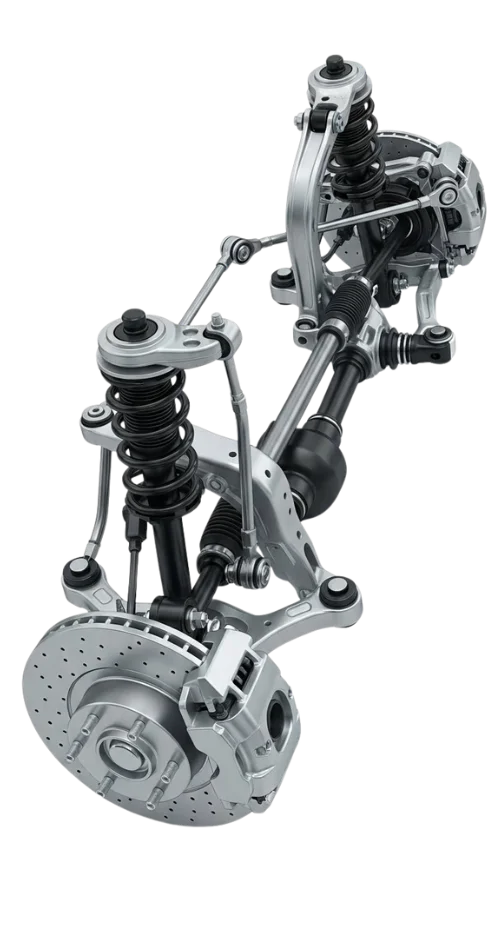
Proper maintenance extends the life of your suspension system and keeps your VW safe and comfortable.
1. Regular Inspections
Check for leaks, worn bushings, and damaged springs every 20,000–30,000 km or annually.
2. Watch Ride Quality
Notice changes in comfort, noise, or handling. Early detection of symptoms prevents bigger failures.
3. Avoid Harsh Driving
Aggressive braking, sharp cornering, and driving over potholes at high speed accelerate suspension wear.
4. Keep Tires Properly Inflated
Incorrect tire pressure increases stress on shocks, struts, and springs, leading to premature failure.
5. Check Wheel Alignment
Suspension repairs often alter alignment. Have it checked regularly to avoid uneven tire wear and handling issues.
6. Service Air Suspension Systems Promptly
For VWs with air suspension, inspect compressors, air springs, and ride-height sensors annually. Address leaks early to prevent costly system failures.
Why Choose Genuine Volkswagen OEM Suspension Parts
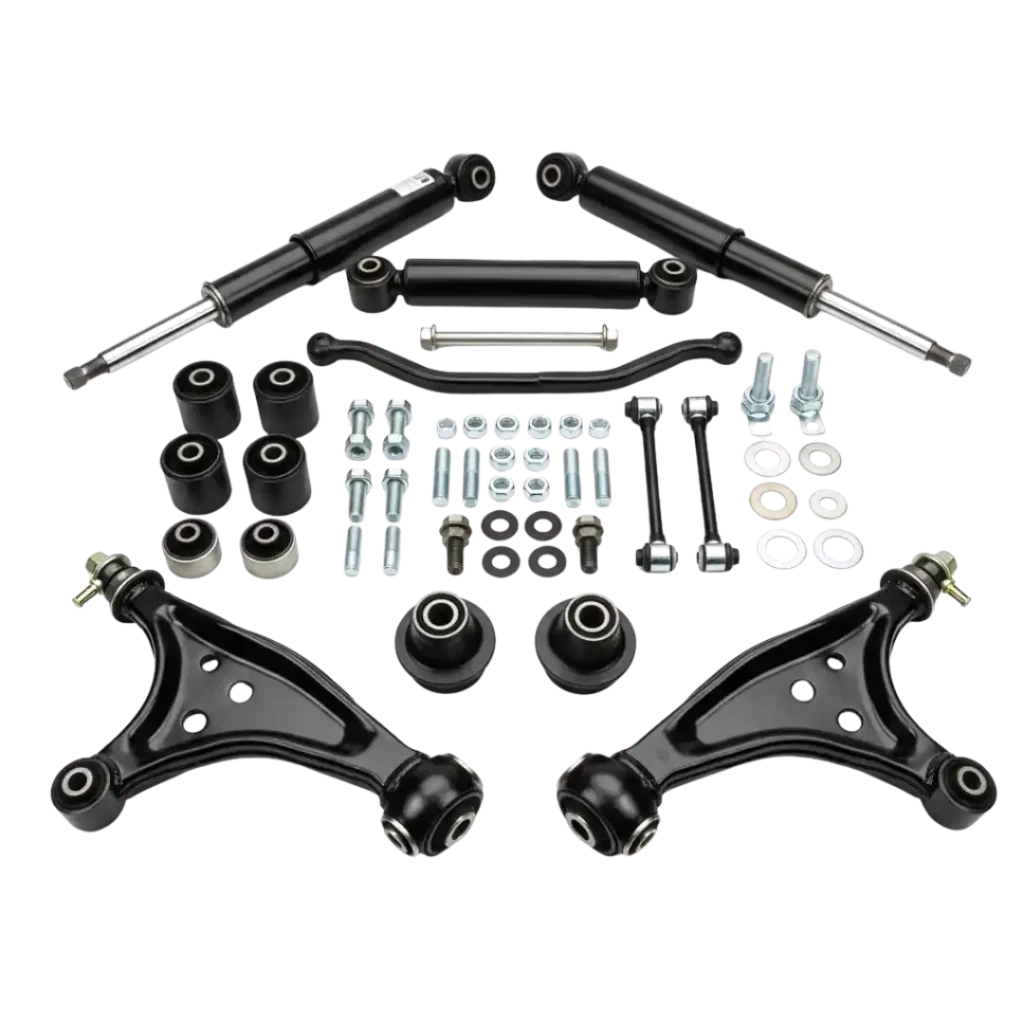
Perfect Fit & Factory Performance
OEM parts restore original handling, steering precision, and comfort.
Long-Term Durability
They resist wear and maintain the same performance levels as factory components.
Compatible with Electronic Systems
Adaptive and air suspension systems rely on precise sensor feedback, something only OEM parts guarantee.
Benefits of Professional VW Suspension Repair
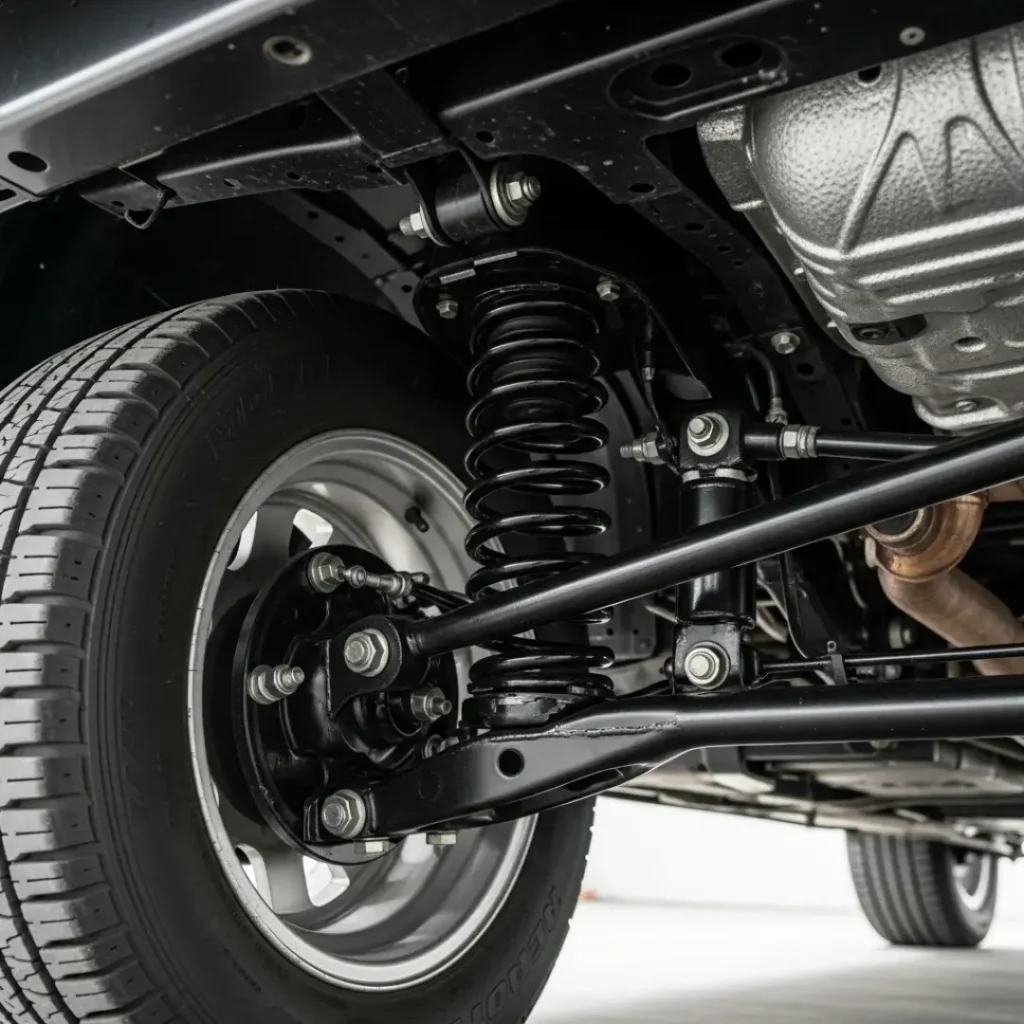
Restored Ride Comfort
The suspension absorbs shocks better, making city and highway rides smoother.
Improved Handling & Safety
Proper suspension repair enhances grip, reduces braking distance, and improves stability.
Better Fuel Efficiency
A balanced suspension reduces rolling resistance and tire wear, improving mileage.
Extended Vehicle Life
By fixing worn components early, you protect other mechanical parts like steering, tires, and drivetrain.
Why Choose Us for Volkswagen Suspension Repair in Dubai
- VW-certified suspension technicians
- Advanced diagnostic tools & genuine parts
- Transparent inspections and honest recommendations
- Full suspension alignment & recalibration
- Warranty on both parts and labor
- Trusted by VW owners across Dubai for reliability and customer service
Frequently Asked Questions
How much does Volkswagen suspension repair cost in Dubai?
The cost depends on your VW model, suspension type (air or coil), parts used, and labor time. Air suspension systems or adaptive dampers are generally more expensive to repair than standard shocks or struts.
What are the common suspension problems in Volkswagen cars?
Common issues include leaking shock absorbers, worn control arm bushings, broken springs, air suspension leaks, and failed ride-height sensors in models with adaptive systems.
How do I know if my VW suspension needs repair?
If you notice clunking noises, uneven tire wear, harsh ride quality, or the car leaning to one side, it’s a clear sign your suspension needs inspection.
Can I drive my Volkswagen with a bad suspension?
You can drive short distances slowly, but it’s unsafe for long trips. A faulty suspension can affect steering stability, tire grip, and braking distance.
How long does VW suspension repair take?
Minor repairs can be done in a few hours, while air suspension or multi-part replacements may take one to two days, depending on parts availability.
Which Volkswagen models commonly face suspension issues?
Golf, Passat, Tiguan, and Touareg models often face suspension wear due to Dubai’s road conditions and heat, especially those with adaptive or air suspension systems.
Do all Volkswagen models have air suspension?
No. Air suspension is usually found in premium models like Touareg and Arteon, while most sedans and hatchbacks use coil-spring setups.
Should I use OEM or aftermarket suspension parts for my VW?
OEM (Original Equipment Manufacturer) parts are always recommended for VWs because they fit perfectly and preserve factory ride quality and safety standards.
Does suspension repair affect wheel alignment?
Yes, any major suspension repair or part replacement requires a full alignment afterward to maintain correct handling and tire wear.
How often should I get my Volkswagen suspension checked?
It’s ideal to inspect the suspension system every 20,000–30,000 km or once a year, whichever comes first — especially if you frequently drive on uneven or rough roads.