Cadillac Suspension Repair in Dubai – Complete Guide for All Models
Cadillac vehicles represent the perfect mix of American luxury and cutting-edge innovation, offering a smooth, stable, and refined driving experience. At the heart of this comfort lies the advanced suspension system, designed to absorb shocks and maintain perfect balance even on challenging roads.
Over time, constant exposure to Dubai’s intense heat, sand, and uneven terrain can take a toll on the suspension components. Issues such as fluid leaks, worn shocks, or faulty sensors may begin to affect the vehicle’s performance and comfort. Regular inspections and timely repairs at trusted Cadillac suspension repair centers are essential to preserve the signature Cadillac ride quality and ensure a safe, effortless driving experience.
Understanding Cadillac’s Suspension System
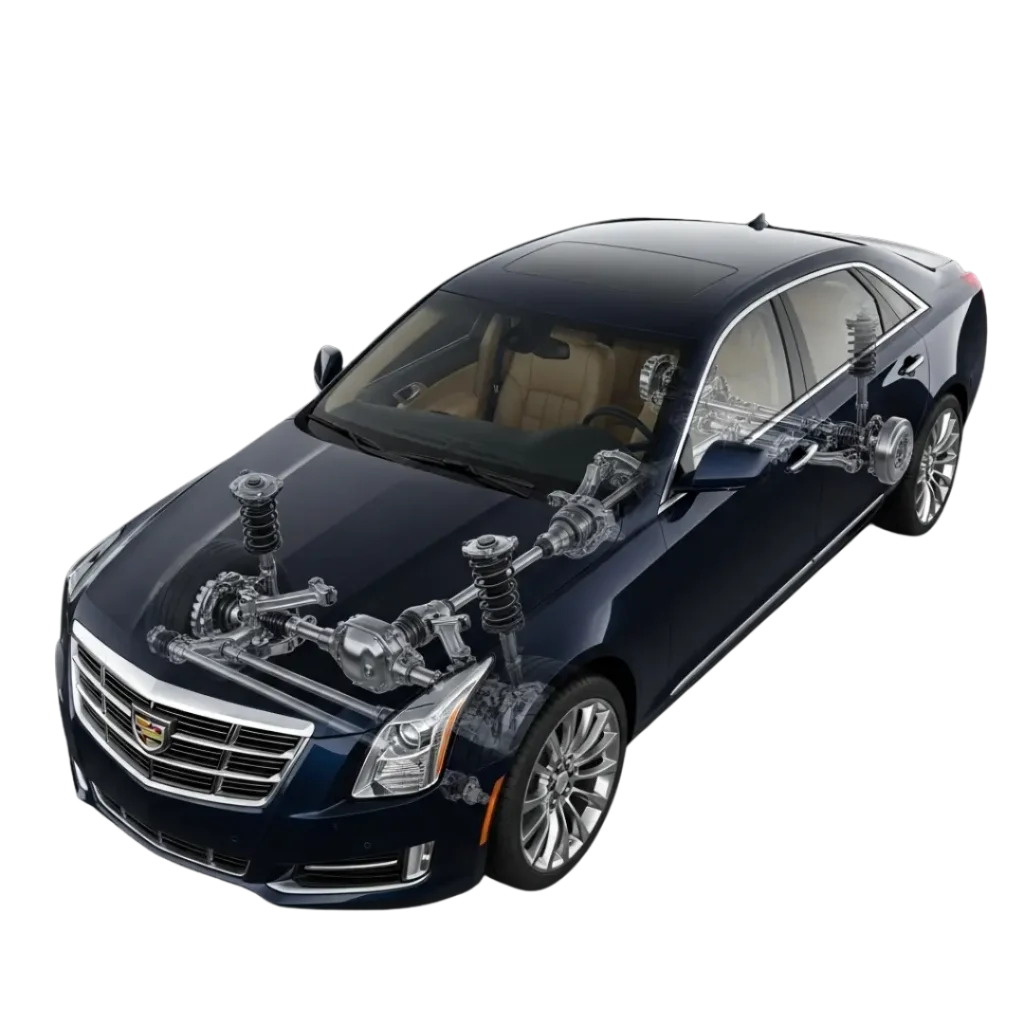
Cadillac employs some of the most advanced suspension technologies available today, including Magnetic Ride Control (MagneRide) air suspension, and adaptive damping systems. These technologies continuously adjust damping force to match road and driving conditions within milliseconds.
Key system types include:
- MagneRide Suspension – Uses magnetically charged fluid that adjusts instantly to road conditions, ensuring exceptional comfort and control. It enhances cornering stability and keeps the ride smooth even on uneven surfaces.
- Air Suspension – Automatically maintains optimal ride height for better handling and load distribution. It adapts to changing weights, keeping the car level and comfortable at all times.
- Adaptive Damping System – Continuously adjusts suspension stiffness based on road and driving style. This provides a perfect balance between smooth comfort and sporty responsiveness.
Because of these precision systems, suspension repairs should always be performed by professionals using factory-authorized diagnostic tools and genuine OEM parts.

Common Signs You Need Cadillac Suspension Repair
- Rough or Harsh Ride – Worn-out shocks or struts make the vehicle feel unstable and bumpy. This reduces comfort and affects overall handling precision.
- Uneven Ride Height – If one side of the car sits lower, it usually indicates air spring leaks or compressor malfunctions. Ignoring it can lead to further suspension damage.
- Clunking or Knocking Noises – Strange sounds while driving often point to worn bushings, loose joints, or damaged control arms. These issues can affect stability and safety.
- Uneven Tire Wear – When suspension parts weaken or alignment shifts, tires wear unevenly. This not only shortens tire life but also reduces fuel efficiency.
- Dashboard Warning Light – The “Service Suspension System” alert signals a system fault. It’s best to get it checked promptly to avoid major component failures.
Ignoring these symptoms can cause further damage and higher repair costs.
Cadillac Suspension Troubleshooting & Diagnostics
Proper troubleshooting is essential to identify suspension problems early and prevent further damage. Here are the key steps and checks typically performed:
- Visual Inspection
Check all visible suspension components, including shocks, struts, bushings, control arms, and air springs. Look for leaks, cracks, or worn-out parts that could compromise ride comfort or handling. - Bounce Test
Push down on each corner of the Cadillac and observe how it rebounds. A healthy suspension will return smoothly without excessive bouncing, while weak shocks or struts cause a slow or uneven rebound. - Nose Dive Check
While braking, monitor the front of the vehicle. If the Cadillac dips excessively, this may indicate worn front shocks, struts, or air suspension components. - Uneven Ride Height Assessment
Park the car on a flat surface and check if one side sits lower than the other. Uneven ride height often points to air spring, compressor, or actuator problems. - Noise Diagnosis
Listen for clunking, knocking, or squeaking sounds during driving or when turning. These noises can indicate damaged bushings, stabilizer links, or control arms. - Tire Wear Observation
Inspect tires for uneven wear patterns. Irregular wear suggests misalignment or weak suspension components affecting road contact. - Electronic & Sensor Check
Modern Cadillacs rely on sensors for air and MagneRide suspensions. Faulty sensors or warning lights (“Service Suspension System”) indicate the need for ECU diagnostics and possible component replacement. - Test Drive Evaluation
A short test drive helps detect unusual handling, swaying, or vibration issues, confirming the severity of the problem before repair decisions.
Cadillac Air & Magnetic Suspension Systems
Modern Cadillacs like the Escalade, CT6, XT5, and ATS-V are equipped with advanced suspension technologies such as Air Suspension and Magnetic Ride Control (MRC) to ensure unmatched comfort and control.
- Air Suspension – This system uses air struts and a compressor to automatically adjust the vehicle’s height based on load and driving conditions. It helps maintain balance, improves handling, and provides a smoother ride on uneven surfaces.
- Magnetic Ride Control (MRC) – MRC relies on magnetically charged fluid within the shocks that changes viscosity in real time. This allows the system to instantly adapt damping levels, offering exceptional comfort on city roads and precise handling during spirited drives.
Common Issues Include:
- Air leaks in struts or hoses
- Failing compressors or valves
- Damaged magnetic actuators
- Sensor or ECU calibration errors
Repair & Calibration Process:
- System Scanning with Factory Diagnostic Tools – Technicians use Cadillac-approved diagnostic equipment to read fault codes, monitor sensor data, and identify any hidden suspension issues.
- Leak Detection and Inspection – A thorough visual and pressure inspection checks for leaks, worn components, and potential failures in shocks, struts, and air lines.
- Replacement of Air Struts, Actuators, or Compressors with OEM Parts – Damaged or worn components are replaced with genuine Cadillac parts to ensure original performance, safety, and longevity.
- ECU Recalibration and Final Road Testing – After repairs, the suspension control unit is reset, and the vehicle undergoes a test drive to confirm proper ride height, comfort, and handling.
Cadillac Suspension Repair Cost
Suspension repair costs depend on multiple factors rather than a flat rate. The following table shows the factors upon which the cost depends.
| Cost Factor | Description |
|---|---|
| Cadillac Model | Each Cadillac model, from Escalade to CT6, XT5, or ATS, has a unique suspension setup. Larger SUVs or performance models often have more complex systems, which increase labor and parts requirements. |
| Type of Suspension | Air suspension, Magnetic Ride Control (MRC), and hydraulic systems all function differently. Repairs for adaptive or magnetic systems require specialized knowledge and tools, while traditional hydraulic systems are simpler but still need precise calibration. |
| Extent of Damage | Minor leaks, worn bushings, or small strut issues cost less to repair, while major failures such as damaged actuators, compressors, or complete air struts require significant parts and labor. |
| Diagnostic Complexity | Modern Cadillacs with MRC or active air suspensions need thorough scanning using factory tools. ECU recalibration, sensor checks, and fine-tuning add to the overall repair time and cost. |
| Parts Source | Genuine OEM parts ensure factory-level performance and longevity, but they are more expensive. Aftermarket or third-party components may reduce upfront cost but can compromise reliability and ride quality. |
Professional diagnostics and timely repair at professional suspension repair centers prevent costlier long-term damage.
Benefits of Professional Cadillac Suspension Repair
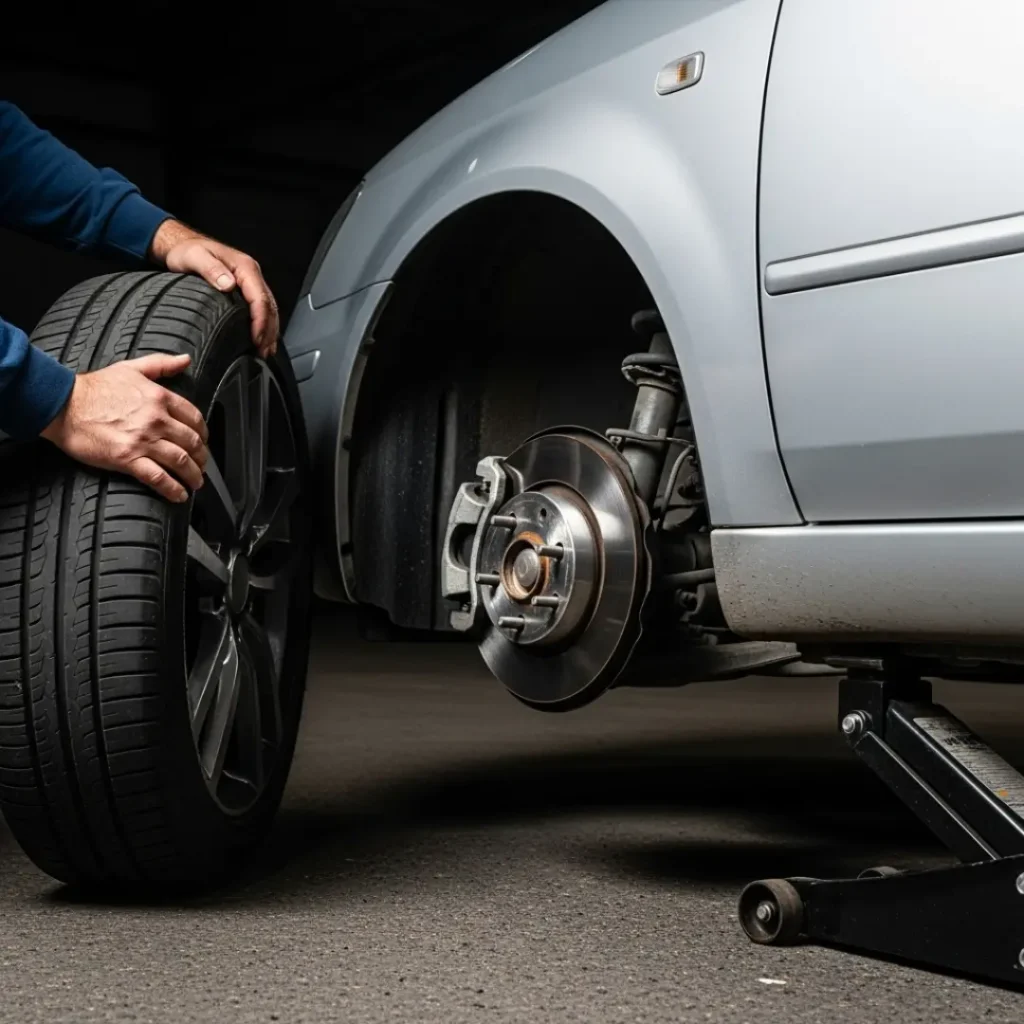
- Enhanced Steering Control – Properly functioning suspension ensures smooth and precise handling, allowing better control during cornering and sudden maneuvers. It restores the vehicle’s original responsiveness for confident driving.
- Even Tire Wear & Improved Stability – A well-calibrated suspension distributes weight evenly across all wheels, reducing uneven tire wear. This also enhances road grip and overall vehicle stability.
- Longer Suspension Life – Replacing worn components and maintaining the system prevents premature failure. Timely repairs help the suspension last longer, saving on costly replacements in the future.
- Improved Safety – Correctly repaired suspension maintains optimal tire contact, braking performance, and traction. This reduces risks during emergency stops and high-speed driving.
- Preserved Resale Value – Maintaining the suspension at factory standards keeps your Cadillac performing as intended. Well-maintained systems also increase the vehicle’s resale value and appeal.
Models We Serve
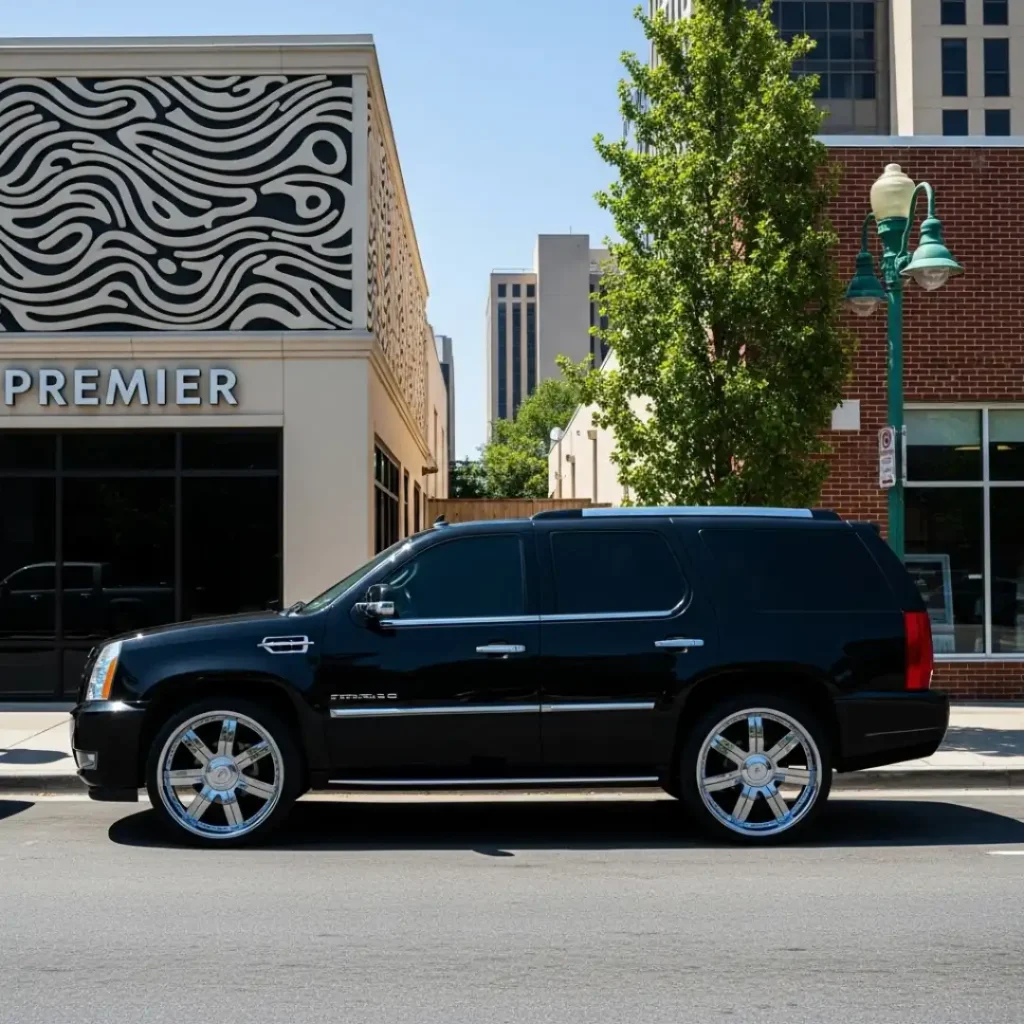
Our Cadillac suspension services cover every model, from the timeless classics to the latest high-tech vehicles. Whether it’s a spacious SUV, a sleek sedan, or a high-performance coupe, each Cadillac is equipped with precision-engineered suspension systems designed to deliver unmatched comfort and control. Regular inspection and professional maintenance are essential to keep these systems performing at their best, ensuring a smooth and stable ride on any road.
SUVs: Escalade, Escalade ESV, XT4, XT5, XT6, SRX, STS
Sedans & Coupes: CT4, CT5, CT6, CTS, ATS, XTS, DTS, Seville, DeVille
Performance Models: CTS-V, ATS-V, CT5-V Blackwing, CT4-V Blackwing
Whether your Cadillac uses Magnetic Ride Control, air suspension, or adaptive damping, proper servicing ensures optimal ride comfort, precise handling, and long-term durability, keeping every drive safe, smooth, and enjoyable.

Tips to Maintain a Healthy Cadillac Suspension
- Avoid harsh bumps or potholes – Prevents stress on shocks and bushings.
- Check tire pressure regularly – Balanced pressure ensures proper weight distribution.
- Schedule inspections every 10,000–15,000 km – Detects wear and leaks early.
- Keep sensors clean – Ensures accurate readings and smoother suspension response.
- Address warning lights promptly – Prevents small issues from becoming costly failures.
Why Choose Us for Cadillac Suspension Repair in Dubai
Factory-Certified Technicians – Experts trained in Cadillac suspension systems, skilled in both air suspension and MagneRide technology. They ensure precise diagnostics and restore original ride quality.
Advanced Diagnostics – We use state-of-the-art diagnostic and calibration tools to accurately identify issues and fine-tune adaptive dampers. Every step ensures smooth performance and handling.
OEM Replacement Parts – Genuine Cadillac parts are used for all repairs, maintaining factory performance and long-term reliability. Substandard components are avoided to prevent premature wear.
Transparent Service – Clear explanations and upfront estimates with no hidden charges help you make informed decisions. Every repair is communicated honestly and professionally.
Warranty Protection – All labor and parts come with a 24-month warranty, giving peace of mind and confidence in the quality of work.
Specialized Luxury Care – We focus on European and American luxury vehicles, combining expertise, precision, and care to keep your Cadillac performing at its best.
We focus exclusively on luxury European and American vehicles, combining precision, professionalism, and care. Our goal is to ensure that every Cadillac we service delivers the smooth, safe, and refined driving experience it was designed for.
Frequently Asked Questions
How do I know if my Cadillac suspension needs repair?
You may notice a rough or bouncy ride, unusual swaying, or difficulty controlling the vehicle, even on smooth roads. Uneven tire wear, clunking noises, or the “Service Suspension System” warning light are also clear signs that your suspension components need inspection or replacement.
Can a regular mechanic repair Cadillac suspensions?
Modern Cadillac suspensions, especially MagneRide and advanced air systems, involve high-pressure, sensitive components. Only technicians trained with factory diagnostic tools can safely identify and fix issues; standard workshops often lack the equipment and expertise for these advanced systems.
What is Magnetic Ride Control (MRC), and how does it affect repairs?
MRC uses a special magnetically charged fluid in the shocks to instantly adjust stiffness based on road conditions. Any malfunction in this system requires precise calibration with OEM parts and specialized tools to restore ride quality, handling, and safety.
How often should I have my Cadillac suspension checked?
It’s recommended to inspect your suspension every 10,000–15,000 km or sooner if you notice symptoms like excessive bouncing, uneven tire wear, or handling difficulties. Regular check-ups help catch small issues early and extend the life of shocks, struts, and air components.
Can air suspension be repaired or only replaced?
Most Cadillac air struts, actuators, and compressors are sealed units that cannot be repaired. Attempting fixes can cause leaks or system failure. OEM replacements are usually necessary to restore proper ride height, comfort, and stability.
What factors affect Cadillac suspension repair costs?
Repair costs depend on your model, type of suspension (air, magnetic, or hydraulic), severity of damage, and whether OEM parts are used. Advanced systems like MagneRide require specialized diagnostics and calibration, which adds to the labor cost. Minor leaks or bushing replacements are less expensive than full actuator or compressor replacements.
Is it safe to drive with a damaged suspension?
Driving with worn shocks, struts, or leaking air components reduces vehicle stability, handling, and braking efficiency. It increases the risk of accidents and accelerates wear on tires and other suspension parts. Immediate inspection and repair are strongly recommended.
How long does a Cadillac suspension last?
Suspension components generally last 50,000–100,000 km with regular maintenance. However, exposure to harsh roads, heat, or heavy loads can reduce their lifespan. Parts like bushings, struts, shocks, and sensors wear faster, so timely inspection is important.
Do I need alignment after suspension repairs?
Yes, wheel alignment and calibration are essential after replacing shocks, struts, or control arms. Proper alignment ensures even tire wear, restores handling precision, and maintains optimal vehicle stability, preventing further suspension damage.
Are warranties offered on Cadillac suspension repairs?
Professional Cadillac suspension repairs usually include a 12–24 month warranty on labor and replaced parts. This guarantees quality workmanship, and following up with recommended maintenance ensures the warranty remains valid and your suspension continues to perform reliably.