
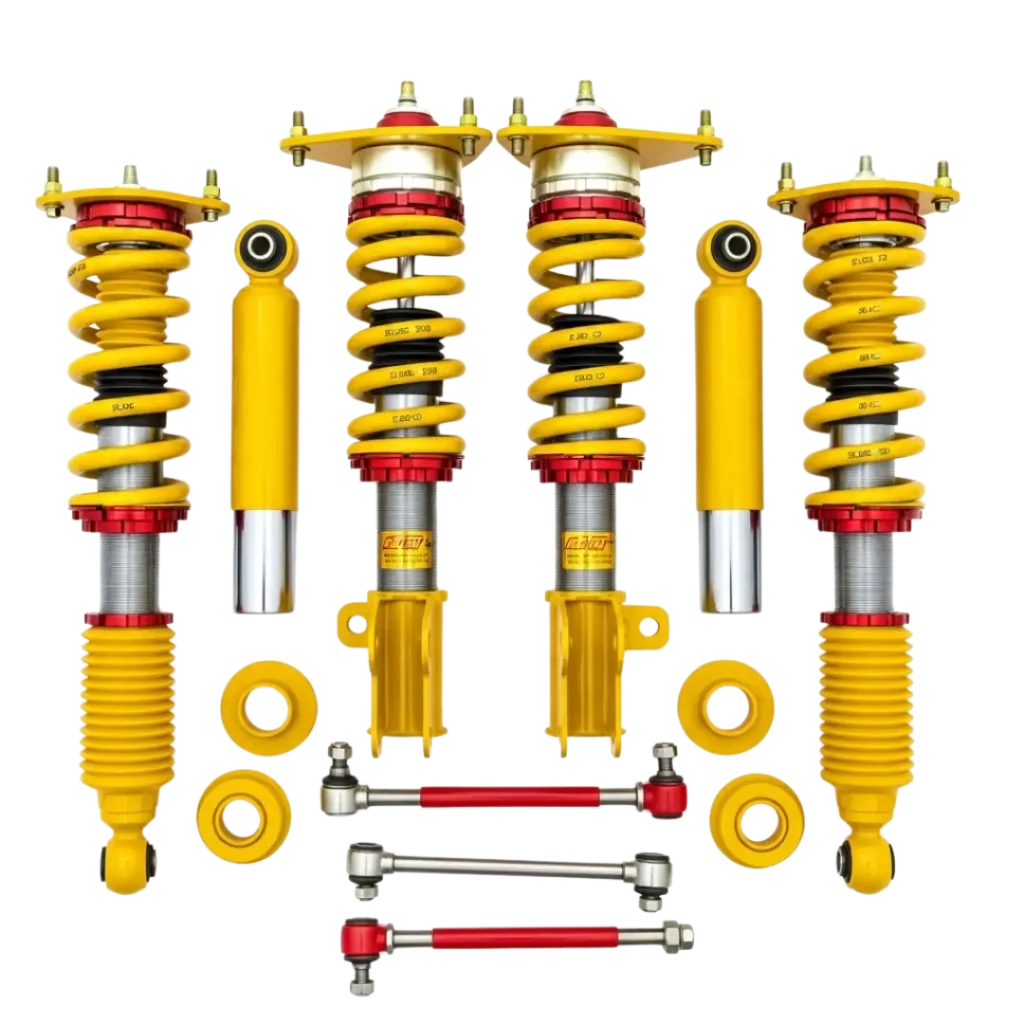
Camaro Shock Absorber Replacement in Dubai
The Chevrolet Camaro is more than just a muscle car; it’s a symbol of power, precision, and passion. Every curve, every roar, every gear shift is engineered for performance. Yet, one critical component determines how smoothly that power reaches the road: the shock absorbers.
Shock absorbers play a crucial role in ensuring your Camaro maintains traction, balance, and control on all terrains. Over time, these components wear out due to heat, friction, and constant movement, leading to instability, rough rides, and uneven handling.
In this in-depth guide, you’ll learn everything about Camaro shock absorber replacement in Dubai, from recognizing early symptoms to performing a proper installation, cost factors, benefits, and expert recommendations for Dubai drivers.
Understanding Camaro Shock Absorbers
Shock absorbers (or “dampers”) are hydraulic components designed to control suspension movement. When your Camaro drives over bumps or dips, the springs absorb energy, and the shocks dissipate it. Without functional shocks, the vehicle would bounce continuously, losing grip and comfort.
How They Work
Inside a shock absorber, hydraulic fluid passes through valves as the piston moves up and down. This resistance converts kinetic energy into heat, controlling suspension motion and keeping tires in contact with the road.
In most modern Camaros:
- The front suspension typically uses MacPherson struts (a combination of spring and shock absorber).
- The rear suspension often has independent shocks.
- High-performance trims like the Camaro SS or ZL1 feature Magnetic Ride Control, where electromagnetic fluid adjusts damping in real time for superior performance.
Each system requires precise handling and timely replacement to maintain your Camaro’s dynamic feel.
Symptoms of Shock Failure
Even if your Camaro looks fine, shocks can fail gradually. Key signs include:
- Excessive Nose Dive: Front dips during braking.
- Rear Squat: Rear compresses during acceleration
- Bouncy Ride: Vehicle floats over bumps.
- Clunking / Knocking Sounds: Metal-on-metal noises over potholes.
- Uneven Tire Wear: Cupping or scalloping patterns.
- Leaking Fluid: Oil on the shock body or strut housing.
- Steering Instability: Vehicle wanders at high speeds.
- Longer Braking Distance: Reduced traction affects stopping.
Tip: If you notice 2+ symptoms, schedule an inspection immediately.
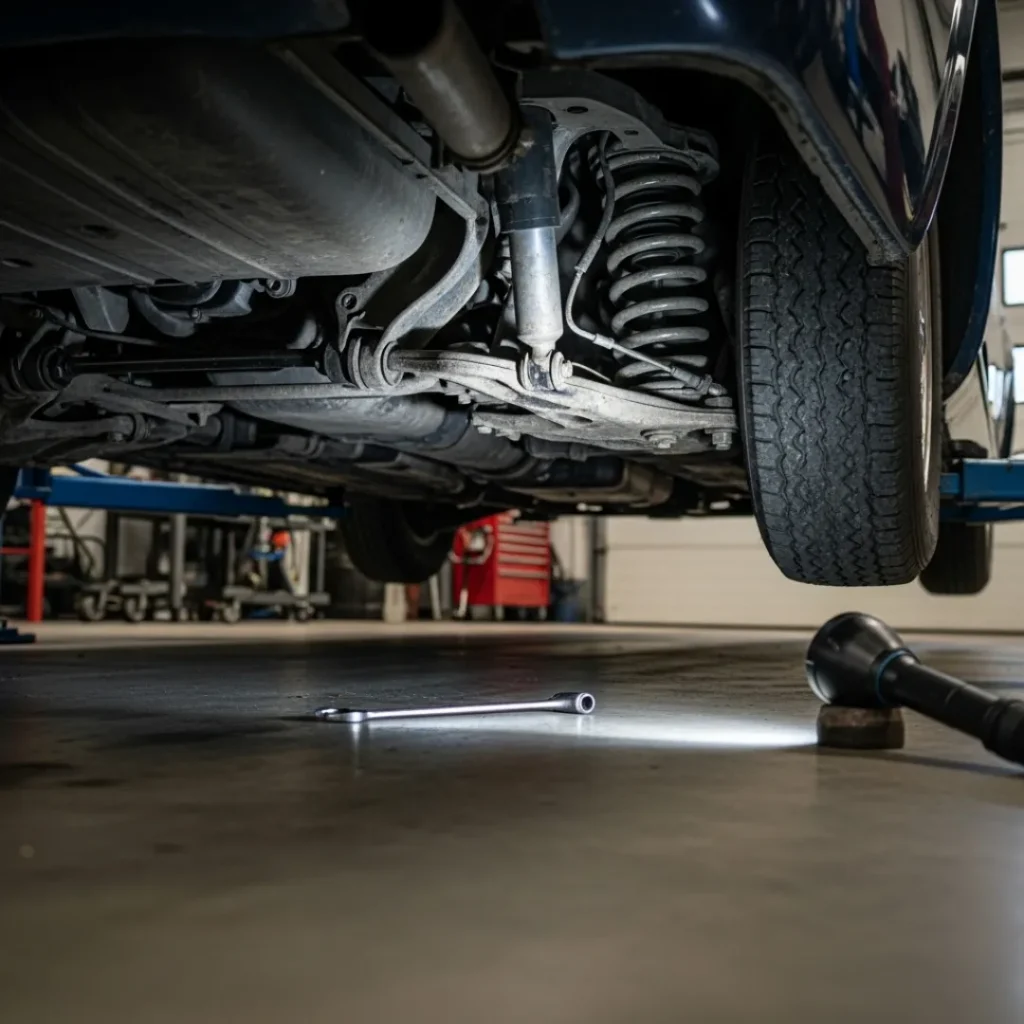
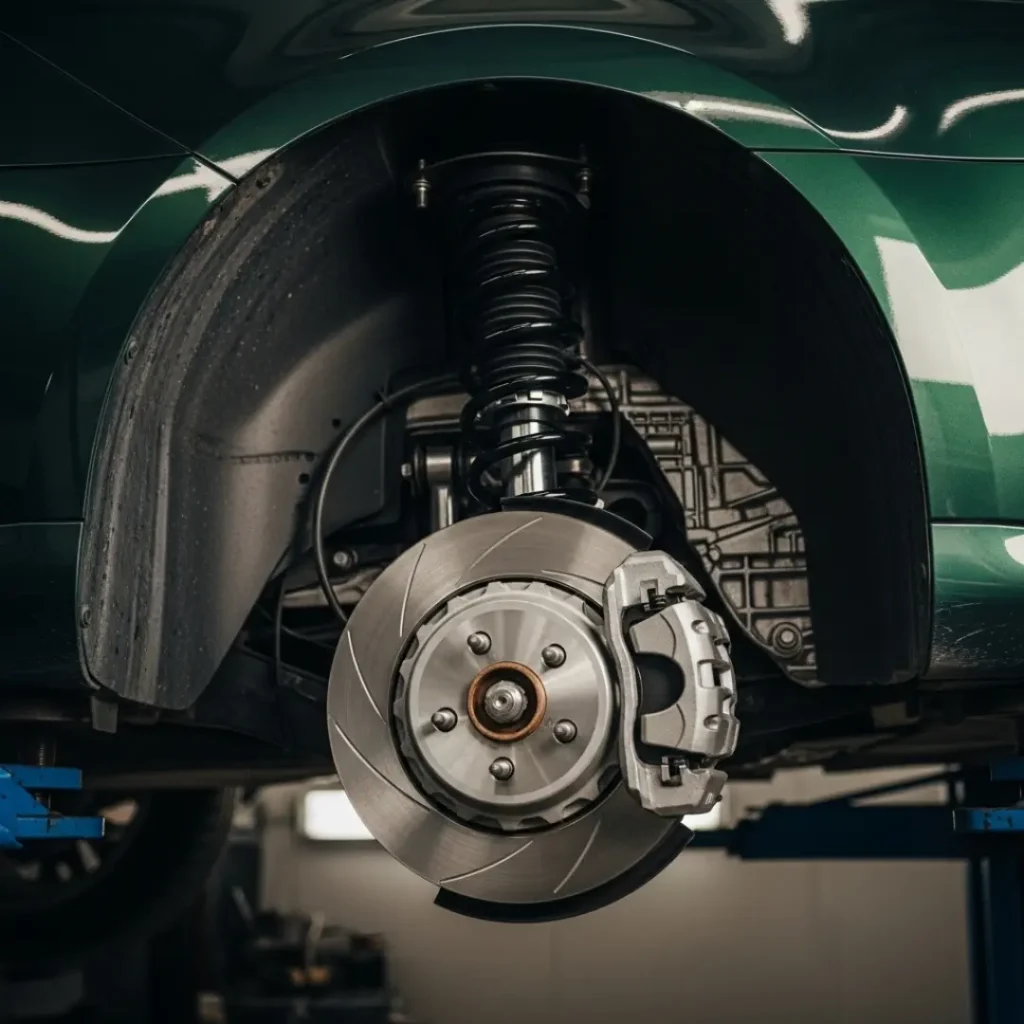
When to Replace Camaro Shock Absorbers
Shock absorbers naturally degrade with mileage and road conditions. Failing to replace them in time affects braking, tire life, and even alignment.
Here are the most common signs your Camaro’s shocks or struts need replacement:
- Excessive Nose Dive When Braking: The front end dips sharply, especially during hard braking.
- Rear-End Squat on Acceleration: The rear compresses when you press the accelerator.
- Bouncy Ride or Poor Stability: The car feels unstable, floating, or swaying after bumps.
- Clunking or Knocking Sounds: Metal-on-metal noises over potholes or speed breakers.
- Uneven Tire Wear: Cupping or scalloping indicates improper shock damping.
- Leaking Fluid: Oil residue near the shock or strut housing is a clear sign of failure.
- Increased Braking Distance: The vehicle feels less responsive during stops.
If you notice two or more of these, it’s time to schedule an inspection at a professional shock replacement center; delaying it can lead to uneven suspension wear and steering misalignment.
Tools and Preparation Before Starting
Whether you’re a DIY enthusiast or professional technician, preparation is key for a smooth and safe replacement.
Essential Tools
- Hydraulic jack and jack stands
- Torque wrench
- 10mm, 15mm, and 15/16″ sockets
- 1/2″ breaker bar
- Pry bar and hammer
- 5mm hex wrench
- Impact gun (optional)
- Penetrating oil (for rusted bolts)
- Anti-seize compound (for reassembly)
Safety Checklist
- Always park on a flat, stable surface.
- Engage the handbrake and use wheel chocks.
- Support the Camaro securely with jack stands before removing wheels.
- Never work under a vehicle supported only by a hydraulic jack.
- Wear gloves and safety glasses.
Parts Verification
Before you begin, confirm that the new shocks or struts are compatible with your Camaro’s:
- Model year
- Trim level (LT, SS, ZL1, etc.)
- Suspension type (standard or Magnetic Ride Control)
Using the wrong part can alter suspension geometry and ride height, leading to handling issues or dashboard warning lights.
Step-by-Step Camaro Shock Absorber Replacement Process
Here’s the complete step-by-step procedure to replace your Camaro’s shocks or struts safely and efficiently.
1. Lift and Secure the Vehicle
- Loosen lug nuts while the Camaro is still on the ground.
- Use a hydraulic jack to raise the vehicle and support it with jack stands under the frame.
- Remove the wheels to access the shocks or struts.
2. Disconnect Accessories
- Unbolt the brake line bracket using a 10mm socket.
- Disconnect the ABS sensor clip from the strut housing.
- Use a 15mm wrench and a 5mm Allen key to detach the sway bar link.
These connections must be freed before removing the strut assembly.
3. Remove the Old Shock or Strut
- Use a 21mm socket and wrench to remove the lower strut bolts.
- Remove the top strut nuts (usually 15mm) from the engine bay.
- Secure the assembly with a bungee cord before removing the final bolt.
- Carefully remove the strut or shock absorber from the wheel well.
Pro Tip: Apply penetrating oil beforehand to loosen corroded bolts, especially in older vehicles.
4. Install the New Shock Assembly
- Align the new shock or strut in the same position as the original.
- Lightly coat all bolts with anti-seize to prevent rust.
- Install and tighten the top bolts first, then align the lower bolts.
- Torque all bolts to factory specifications (consult service manual; usually 43–59 ft-lbs).
- Reconnect the sway bar link, brake line, and ABS cable.
If you’re installing adjustable or performance shocks, follow the manufacturer’s torque recommendations.
5. Final Assembly and Inspection
- Reinstall the wheel and tighten the lug nuts by hand.
- Lower the vehicle carefully and use a torque wrench to tighten lug nuts to around 140 ft-lbs in a star pattern.
- Start the engine and test drive slowly, listening for unusual noises.
Always complete a wheel alignment after shock or strut replacement to restore steering geometry.
Camaro Rear Shock/Strut Replacement – Step-by-Step Guide with Torque Specifications
Replacing rear shocks or struts on a Camaro requires precision to ensure proper handling, alignment, and safety. Below is a step-by-step guide along with torque specifications for all critical bolts.
| Step | Component / Bolt | Action | Torque Specification |
|---|---|---|---|
| 1 | Wheel Lug Nuts | Loosen while the car is on the ground, then remove the wheel | 140 ft-lbs (star pattern after lowering) |
| 2 | Sway Bar Link | Remove 15mm nut using a 5mm Allen key | Reinstall: 30 ft-lbs + 120° |
| 3 | Lower Control Arm to Knuckle Bolt | Remove the bolt to free the strut | Reinstall: 30 ft-lbs + 120° |
| 4 | Bottom Strut Bolt | Remove 21mm bolt using socket | Reinstall: 59 ft-lbs + 120° |
| 5 | Top Strut Nuts | Remove four 15mm nuts | Reinstall: 43 ft-lbs |
| 6 | Reattach Sway Bar Link | Secure sway bar link back to the strut | 30 ft-lbs |
| 7 | Wheel | Reinstall wheel and tighten lug nuts | Hand-tighten, final torque 140 ft-lbs |
| 8 | Final Check | Ensure suspension is loaded properly and test alignment | Visual inspection & test drive |
Pro Tips:
- Always support the rear strut assembly with a bungee cord or jack while removing bolts.
- Apply penetrating oil to old bolts for easier removal.
- Always replace shocks or struts in pairs (both left & right) to maintain balanced suspension performance.
- Perform a wheel alignment after installation to restore proper handling and prevent uneven tire wear.
Top Shock Options for Camaro
Depending on your driving goals, you can choose between OEM, performance, or advanced adaptive options:
OEM Replacement Shocks
Designed to match your Camaro’s factory specifications, ideal for comfort, reliability, and balanced handling.
Performance Shocks
Brands like Bilstein, KYB, and Duralast Elite offer stiffer damping, reducing body roll and improving cornering stability, perfect for spirited drivers.
Adjustable Coilover Kits
For enthusiasts who prefer a customized ride, coilovers allow you to fine-tune ride height, damping, and stiffness, suitable for track or performance setups.
Magnetic Ride Control (MRC) Dampers
Available on high-end trims like the Camaro SS and ZL1, these electronically controlled shocks adjust in milliseconds to changing road conditions, offering unmatched ride precision.
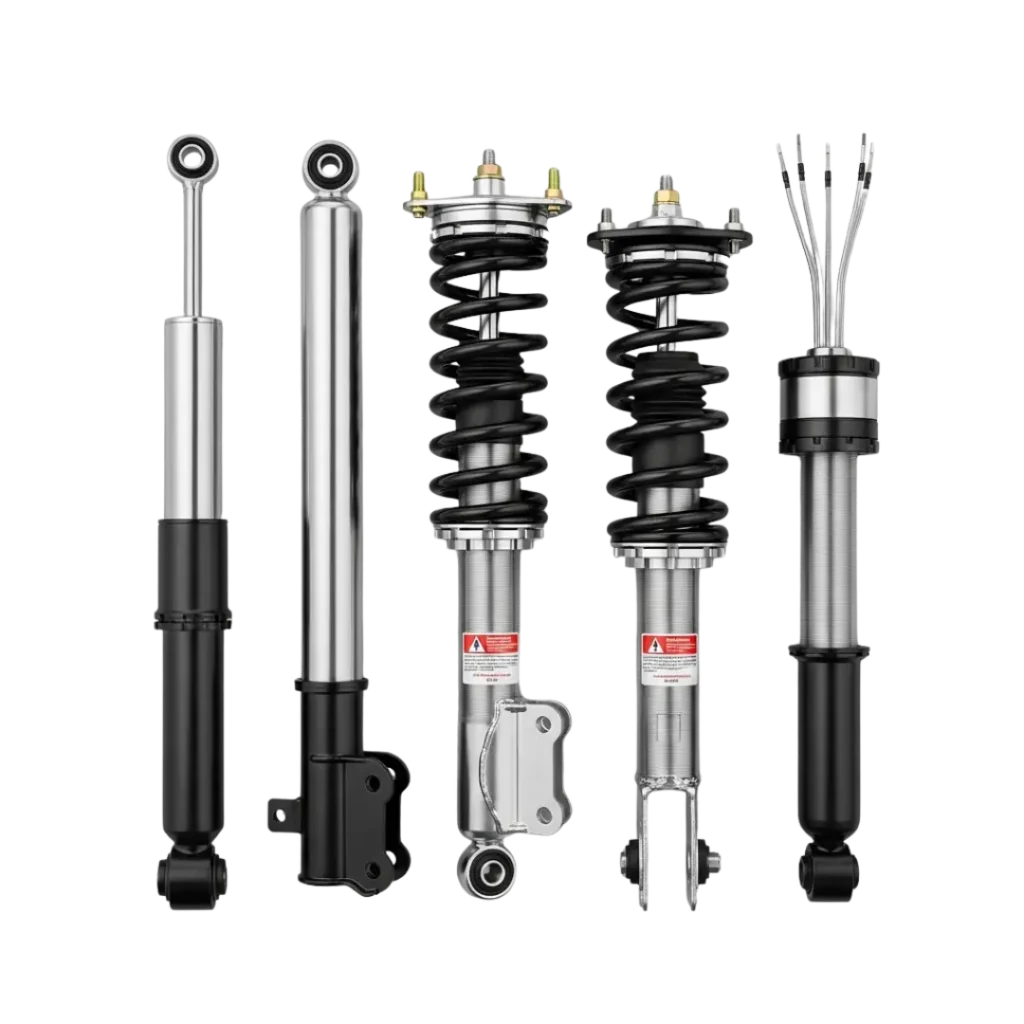
Types of Camaro Shocks
Different types of shocks are available for the Camaro, each affecting ride comfort and handling uniquely. Choosing the right one depends on your driving style and Camaro trim.
- Twin-Tube Shocks: Provide a smooth ride and reliable performance for everyday driving.
- Mono-Tube Shocks: Designed for high-performance and aggressive driving, offering better handling and heat resistance.
- Gas-Charged Shocks: Reduce body roll and improve stability during braking and acceleration.
- Adjustable Coilovers: Allow customization of ride height and stiffness, ideal for sporty or track driving.
Magnetic Ride Control (MRC): Available on Camaro SS and ZL1 trims; damping adjusts instantly according to road conditions.
Cost Factors for Camaro Shock Replacement
While costs vary, understanding the factors helps set realistic expectations:
| Factor | Description |
|---|---|
| Model & Year | Newer Camaros (especially MRC models) have more advanced and costly systems. |
| Front vs Rear | Front struts are typically more expensive and labor-intensive than rear shocks. |
| OEM vs Aftermarket | OEM ensures factory performance, while aftermarket options can be more affordable or performance-tuned. |
| Labor Complexity | Front replacements require disassembly of steering components. |
| Additional Repairs | Damaged mounts, bearings, or bushings can increase total labor time. |
| Alignment & Calibration | Alignment or suspension recalibration after installation adds extra cost. |
Tip: Always replace shocks in pairs, both fronts or both rears, to maintain balanced handling and avoid uneven wear.
Benefits of Replacing Worn Shocks
Replacing old or damaged shocks doesn’t just improve comfort, it restores your Camaro’s performance DNA.
Enhanced Ride Comfort & Stability
New shocks smooth out bumps and vibrations, improving everyday ride comfort.
Improved Steering and Cornering
Proper damping ensures precise steering feedback and sharper handling in corners.
Even Tire Wear and Longer Tire Life
Balanced suspension helps your tires maintain full contact, extending their lifespan.
Shorter Braking Distance
With improved traction, your Camaro stops faster and more safely.
Increased Safety and Control
Stable suspension reduces the risks of fishtailing, body roll, and instability at high speeds.
Protection for Other Components
Good shocks prevent premature wear of control arms, bushings, and suspension mounts.
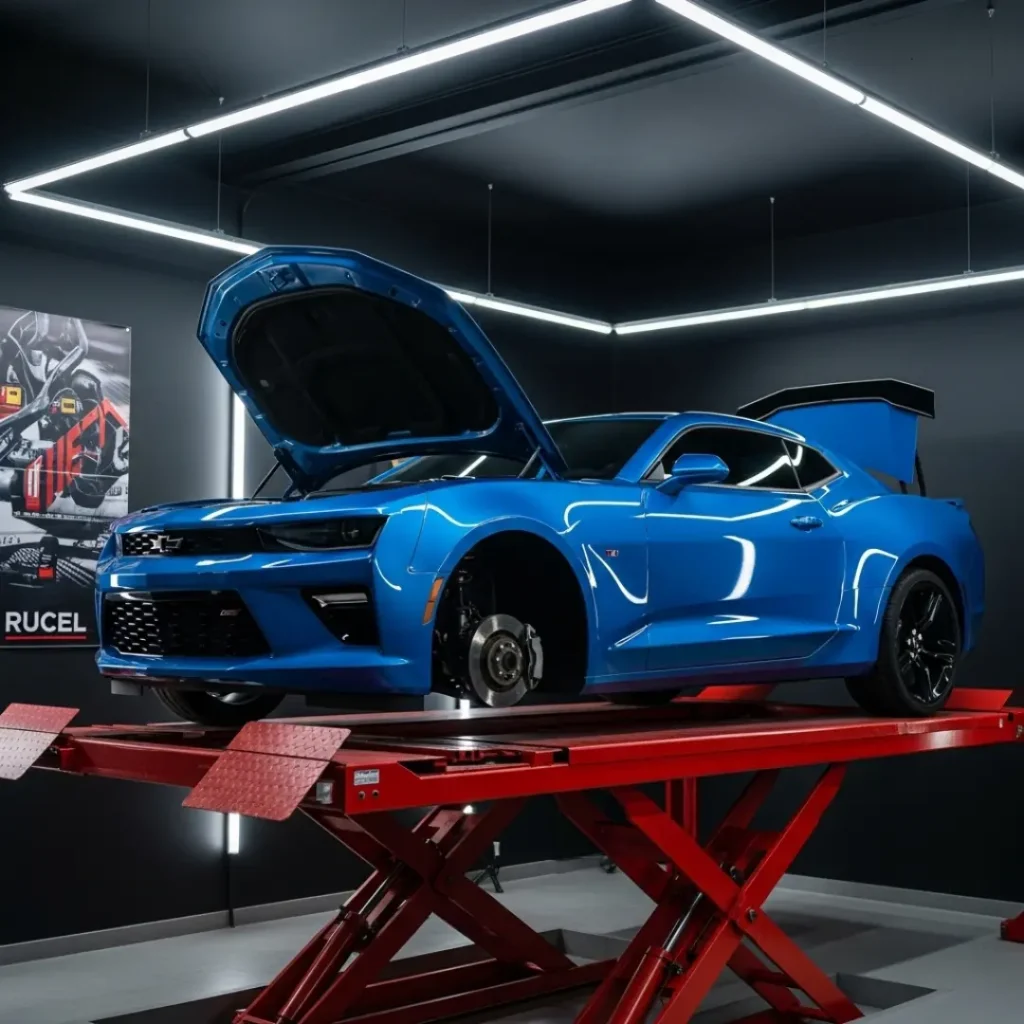
Why Choose Us for Camaro Shock Replacement in Dubai
Your Camaro deserves specialized care, and that’s exactly what we provide. At our certified service center in Dubai, we combine technical expertise with genuine parts and world-class precision.
Why Camaro Owners Trust Us:
- Certified Technicians: Our suspension experts are factory-trained to handle all Chevrolet and performance trims.
- Genuine & Premium Parts: We use OEM or high-quality performance parts tailored to your driving style.
- Advanced Diagnostic Systems: From suspension calibration to alignment, every detail is digitally verified.
- Transparent Pricing: No hidden charges; we explain every service before we begin.
- Customer Satisfaction Guarantee: If your Camaro doesn’t ride perfectly after service, we’ll recheck it for free.
Whether you drive a Camaro LT for daily use or a ZL1 built for track performance, we deliver suspension work that enhances both comfort and confidence.
FAQs
How do I know when my Camaro’s shock absorbers or struts need to be replaced?
You may notice excessive bouncing, swaying, or instability over bumps or turns. Nose-diving during braking, squatting under acceleration, or unusual noises like clunks and squeaks are clear signs that your shocks or struts need attention.
What are the signs of worn or failing shock absorbers in a Camaro?
Common symptoms include:
- Uneven tire wear
- Rough or bouncy ride
- Longer braking distances
- Vehicle leaning excessively in turns
- Visible oil leaks on the shock body
How often should I replace the shock absorbers or struts on a Camaro?
Typically, Camaro shocks last between 50,000 and 100,000 miles, depending on driving conditions. Rough roads or aggressive driving may require earlier replacement. Always inspect regularly for early signs of wear.
Can I drive my Camaro with bad shocks or struts?
While it’s possible, it’s unsafe. Worn shocks reduce stability, increase braking distance, and cause uneven tire wear. Driving extensively on bad shocks can also damage suspension components and affect vehicle handling, especially at high speeds.
Should shock absorbers be replaced in pairs (both sides) on the Camaro?
Yes. Replacing shocks in pairs (both front or both rear) ensures even handling, proper balance, and consistent ride quality. Installing a single shock can lead to uneven suspension response and compromised safety.
What tools and preparation do I need to replace the Camaro’s shocks or struts?
You’ll need:
- Jack and jack stands for safe lifting
- Wrenches and sockets (including 15/16″ and 10mm)
- Penetrating oil for stubborn bolts
- Anti-seize for reinstallation
- Impact gun (optional, but helpful
Always follow safety precautions when lifting and supporting the vehicle.
What is the difference between OEM and aftermarket shock absorbers for a Camaro?
- OEM shocks are designed by Chevrolet to match the exact performance and comfort of your Camaro.
- Aftermarket shocks (brands like Duralast or Sensen) may offer improved performance or durability, but must be compatible with your model for proper fit and safety.
Do I need a wheel alignment after replacing the shock absorbers or struts on a Camaro?
Yes. New shocks or struts can change suspension geometry. A proper wheel alignment ensures correct handling, even tire wear, and restores your Camaro’s original driving dynamics.
How long does it typically take to replace the shock absorbers or struts on a Camaro?
Professional replacement usually takes 2 to 4 hours, depending on whether you’re replacing standard or full strut assemblies and whether you have to recalibrate air or adaptive suspension systems.
What factors affect the cost of replacing shock absorbers or struts on a Camaro?
- Model and year: High-performance or newer Camaros cost more.
- Type of shock: Air or adaptive shocks are pricier than standard hydraulic or gas shocks.
- Labor rates: Vary by region and workshop.
- Additional repairs: Worn mounts, control arms, or alignment requirements.
- Parts quality: OEM shocks are more expensive but ensure reliability and longevity.