Camaro Suspension Repair in Dubai Complete Guide for All Models
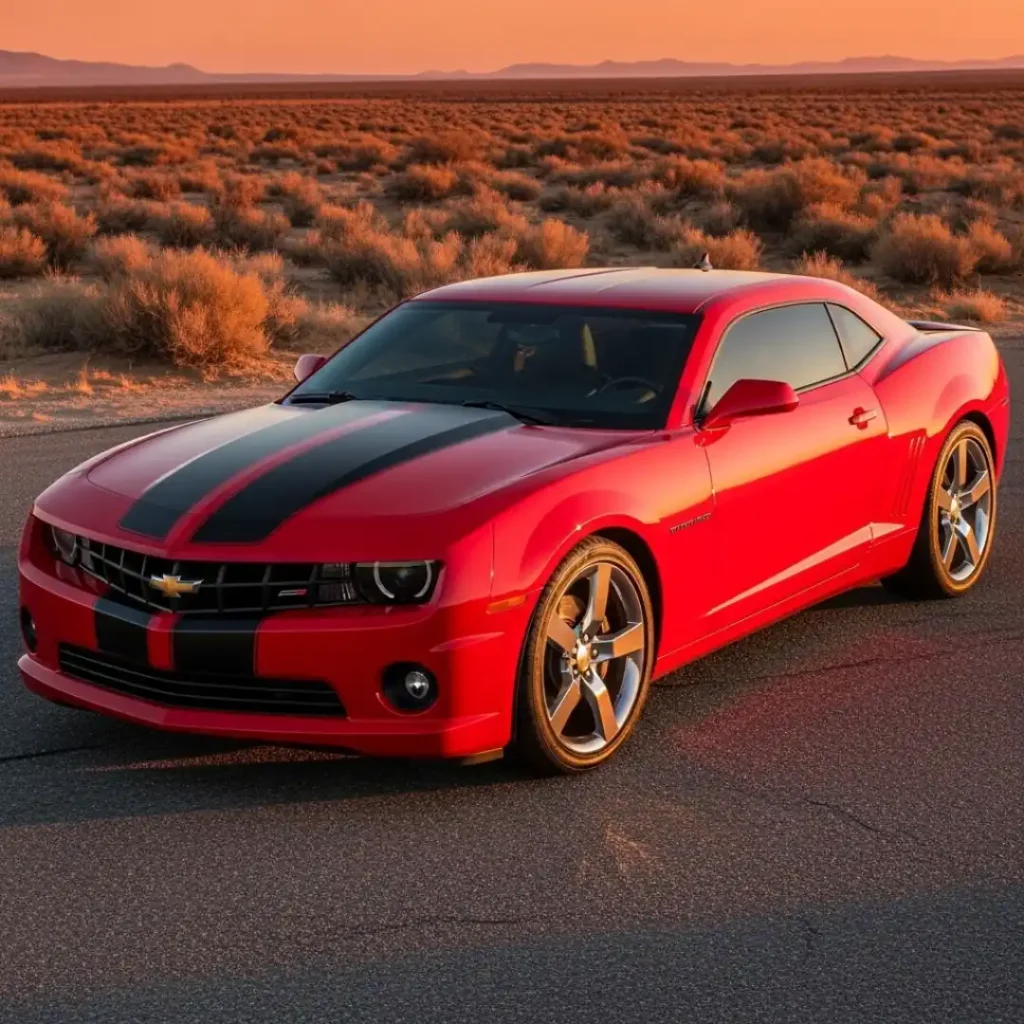
The Chevrolet Camaro stands as a true icon of American muscle, a perfect fusion of raw power, sleek design, and unmatched performance. From its aggressive stance to its thrilling acceleration, every Camaro is engineered to dominate the road with precision and control. Yet, beneath its bold exterior lies the unsung hero of every smooth drive, the suspension system, working tirelessly to deliver stability, comfort, and razor-sharp handling.
Whether you command a classic 1967 Camaro SS, a legendary fourth-gen Z28, a modern ZL1 with Magnetic Ride Control, or any other model, your suspension plays a vital role in transforming that horsepower into a refined, responsive ride. Proper maintenance and timely suspension repairs from trusted car suspension repair centers ensure your Camaro not only performs at its best but also keeps you safe, confident, and fully connected to the road ahead.
Understanding the Camaro Suspension System
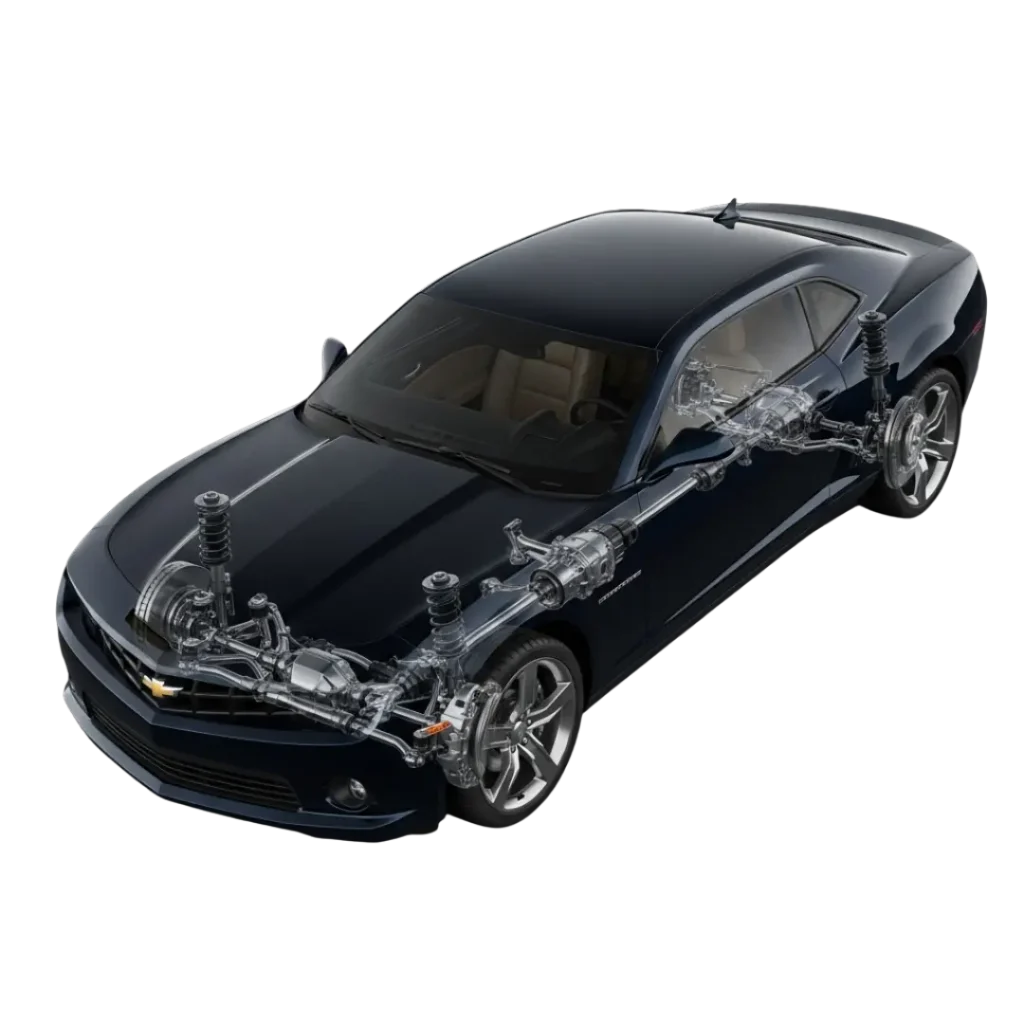
Every Camaro generation has evolved its suspension design, from the simple coil spring setups of the 1960s to advanced electronically controlled dampers in modern models.
Key Suspension Components
- Shocks and Struts: Absorb bumps and keep the tires on the road.
- Control Arms: Connect wheels to the chassis and maintain alignment.
- Sway Bars: Prevent excessive body roll during turns.
- Bushings & Ball Joints: Provide flexibility and reduce vibrations.
- Springs / Coilovers: Support vehicle weight and determine ride height.
Camaro Suspension Types by Generation
| Generation | Years | Suspension Type | Common Issues | Repair Focus |
|---|---|---|---|---|
| 1st Gen | 1967–1969 | Front coil springs & control arms, leaf-spring rear | Worn bushings, steering play, sagging springs | Full front-end rebuild, new bushings & shocks |
| 2nd Gen | 1970–1981 | Double A-arm front, leaf-spring rear | Weak shocks, cracked control arm bushings | Replace shocks, add sway bar upgrade |
| 3rd Gen | 1982–1992 | MacPherson strut front, coil-spring rear | Strut leaks, bouncy ride | Strut replacement, control arm bushing service |
| 4th Gen | 1993–2002 | Front struts, rear live axle with torque arm | Worn mounts, poor alignment | Replace struts & torque arm bushings |
| 5th Gen | 2010–2015 | Fully independent front & rear suspension | Clunking noise, shock leaks | Strut and sway bar link replacement |
| 6th Gen | 2016–2024 | Magnetic Ride Control or coilover system | Electronic damper fault, uneven ride height | Shock/strut calibration or electronic damper service |
What Causes Suspension Damage in a Camaro?
Even a performance-built car like the Chevrolet Camaro isn’t immune to suspension wear and tear. Over time, several factors can cause damage or premature failure of key components:
Rough or uneven roads
Constant exposure to potholes and speed bumps puts immense pressure on shocks and control arms.
Aggressive driving or racing
Hard cornering, quick acceleration, and sudden braking increase suspension stress.
Worn-out bushings and joints
These rubber components dry out or crack over time, leading to vibrations and noise.
Improper wheel alignment
Misalignment affects the balance of the suspension, causing uneven tire wear and steering pull.
Corrosion or moisture exposure
Especially for older or classic Camaros, rust can weaken suspension mounts and bolts.
OEM vs Aftermarket Suspension Parts for Camaro
When repairing or upgrading your Camaro suspension, you’ll often face a key choice: OEM (Original Equipment Manufacturer) parts or Aftermarket upgrades.
| Aspect | OEM Suspension Parts | Aftermarket Suspension Parts |
|---|---|---|
| Quality | Built to factory specs for perfect fit and reliability | Varies by brand; some exceed OEM quality |
| Performance | Smooth and consistent, tuned for comfort and safety | Can be tuned for track, off-road, or custom stance |
| Warranty | Usually covered under the manufacturer's warranty | Limited or brand-specific warranty |
| Cost | Slightly higher due to factory sourcing | More flexible pricing and variety |
| Ideal For | Daily drivers or those restoring classic Camaros | Enthusiasts seeking performance or custom looks |
If you want factory ride quality, OEM parts are ideal. But for enhanced performance or aesthetics, quality aftermarket suspension kits (like Bilstein, Eibach, or Air Lift) can give your Camaro a sportier edge.
Step-by-Step Camaro Suspension Repair Process
Whether it’s a daily-driven Camaro LT or a track-ready ZL1, the process follows similar principles with adjustments for each model’s design.
1. Vehicle Preparation
- Park on a level surface and engage the parking brake.
- Use a hydraulic jack and jack stands to lift the vehicle safely.
2. Wheel & Component Removal
- Remove the wheel assembly.
- Detach brake lines, ABS sensor wiring, and sway bar links.
3. Old Suspension Removal
- Unbolt the lower control arm and strut mount.
- Carefully remove the strut or shock absorber.
4. New Part Installation
- Align the new strut or coilover in place.
- Torque bolts as per manufacturer specs while suspension is loaded.
5. Reconnect Components
- Reattach the sway bar link, brake line bracket, and ABS connector.
6. Final Steps
Reinstall the wheel, tighten lug nuts in a cross pattern, and perform 4-wheel alignment.
Camaro Air Suspension Systems & Performance Upgrades
While Camaros don’t come stock with factory air suspension, many modern owners upgrade their ride with aftermarket air ride kits.
These systems replace coil springs with adjustable air bags, offering better stance and flexibility.
Benefits of Air Suspension Upgrades
- Adjustable ride height
- Smoother daily driving
- Enhanced cornering & weight balance
- Ideal for show cars and performance builds
Popular air suspension brands for Camaro include Air Lift Performance, Ridetech, and AccuAir, suitable for 5th and 6th-generation models.
Signs Your Camaro Suspension Needs Repair
- Bumpy or unstable ride
- Uneven tire wear
- Clunking or squeaking noises
- The vehicle leans to one side
- Steering feels loose or delayed
- Visible oil leak from struts or shocks
Camaro Suspension Alignment & Calibration
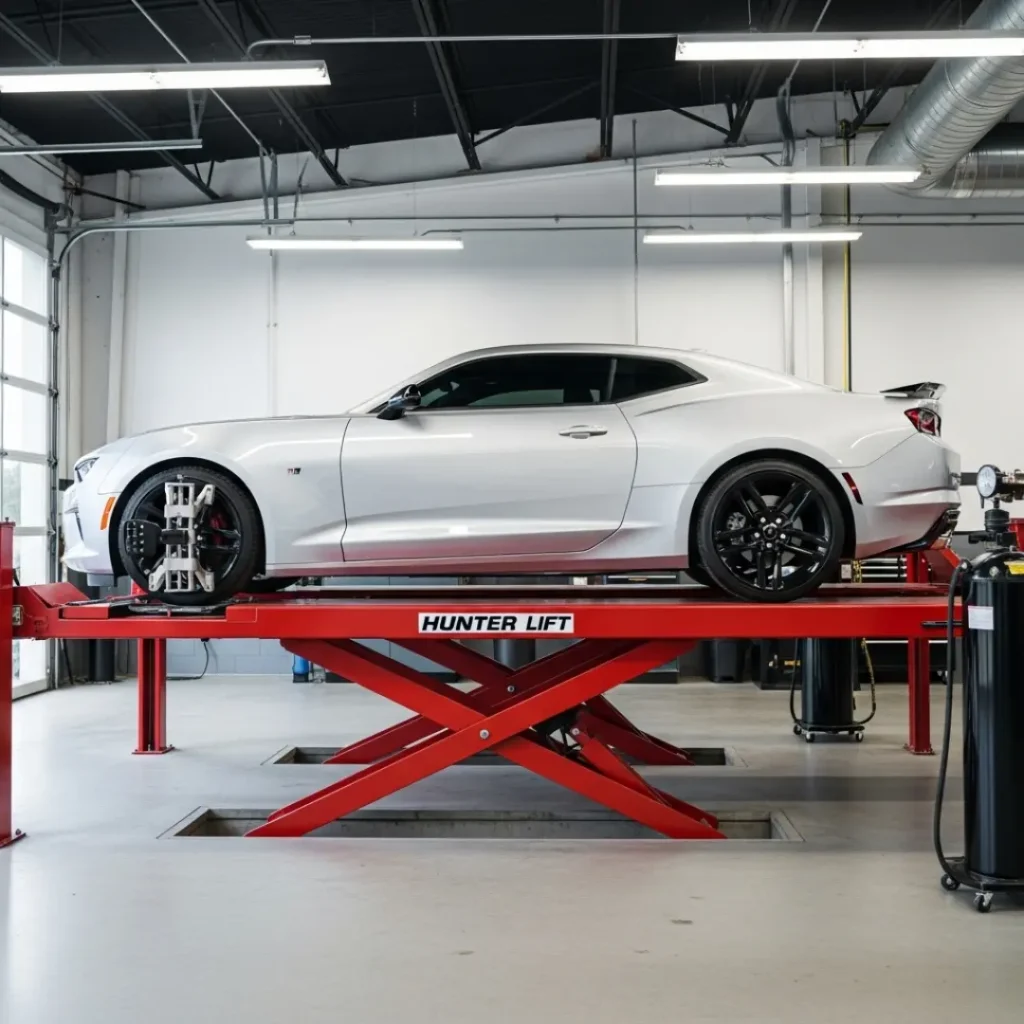
After every major suspension repair or replacement, especially when installing new shocks, struts, or control arms, your Camaro must undergo alignment and calibration.
Proper wheel alignment ensures your tires make even contact with the road, improving handling, fuel efficiency, and tire life. For Camaros equipped with Magnetic Ride Control, sensor calibration is equally crucial to maintain the adaptive damping accuracy.
Skipping alignment after suspension work can cause your steering wheel to sit off-center, your tires to wear unevenly, and your handling to feel unstable. That’s why a professional 4-wheel alignment and MRC recalibration are part of every high-quality suspension service.
Camaro Suspension Problems by Model
| Model | Typical Issues | Recommended Repair |
|---|---|---|
| Camaro SS (All Years) | Worn shocks, lower control arm bushings | Strut & bushing replacement |
| Camaro LT / RS | Clunking noise over bumps | Replace struts & end links |
| Camaro ZL1 | Magnetic damper sensor fault | Calibrate or replace magnetic struts |
| Camaro Z28 (Classic) | Steering looseness, poor handling | Rebuild front suspension kit |
| Camaro IROC-Z (80s) | Weak coil springs | Replace springs & sway bar |
| Camaro Convertible (2010–2024) | Rear shock noise | Replace rear dampers & mounts |
Understanding Camaro Magnetic Ride Control (MRC)
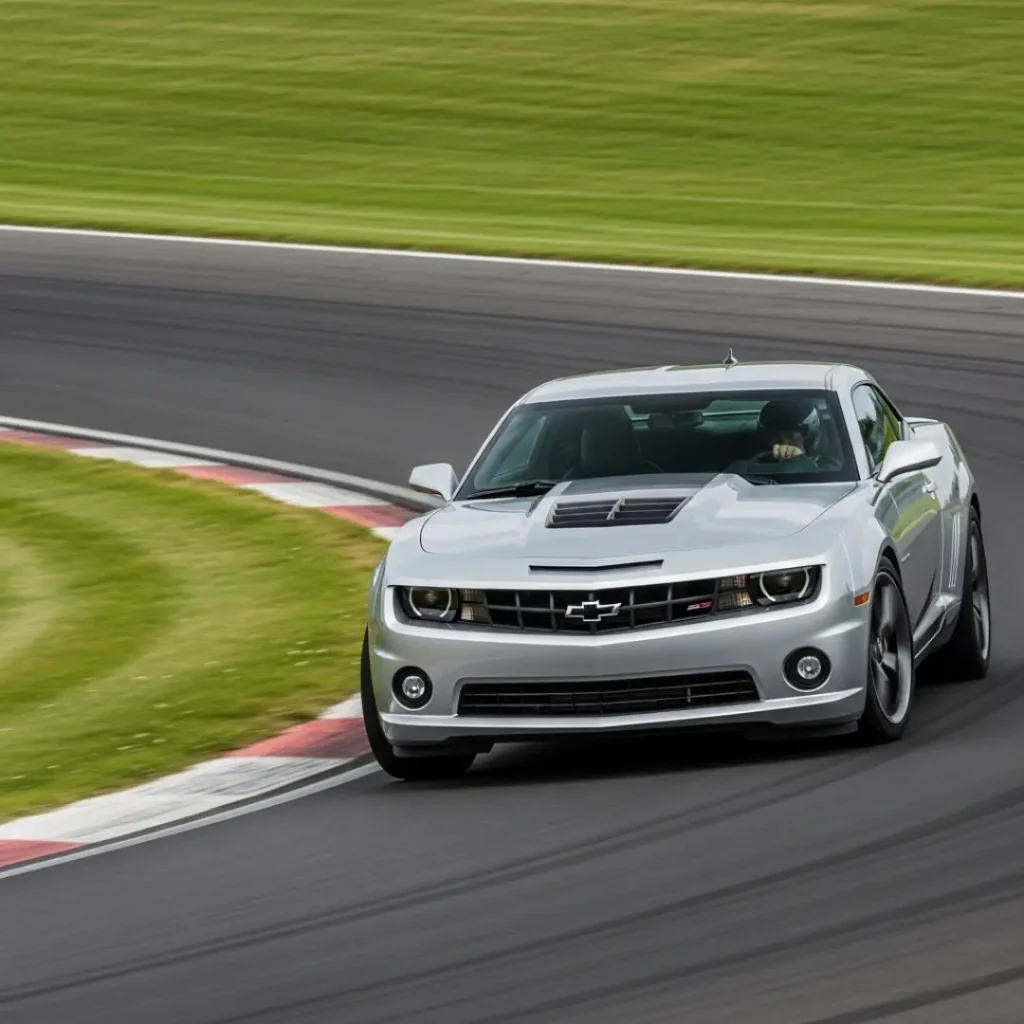
One of the most advanced suspension systems found in modern Camaros is Magnetic Ride Control (MRC), featured on models like the SS, ZL1, and 1LE. Instead of conventional fluid, these dampers use a magnetorheological fluid containing tiny metal particles.
When sensors detect changes in road surface or driving dynamics, an electric current instantly adjusts the fluid’s viscosity, stiffening or softening the suspension in milliseconds. This gives the Camaro the perfect balance between comfort during cruising and precision during high-speed handling.
Regular maintenance and calibration of MRC sensors are essential to maintain responsiveness, especially if you notice uneven ride height, dash warning lights, or unusual stiffness. A professional inspection ensures your system operates flawlessly.
Factors Affecting Suspension Repair Cost
Instead of quoting fixed prices, the total cost depends on:
- Camaro generation & model type
- Type of suspension (standard, coilover, or Magnetic Ride Control)
- OEM vs aftermarket components
- Labor and alignment requirements
Condition of bushings and control arms
Importance of Timely Suspension Repair
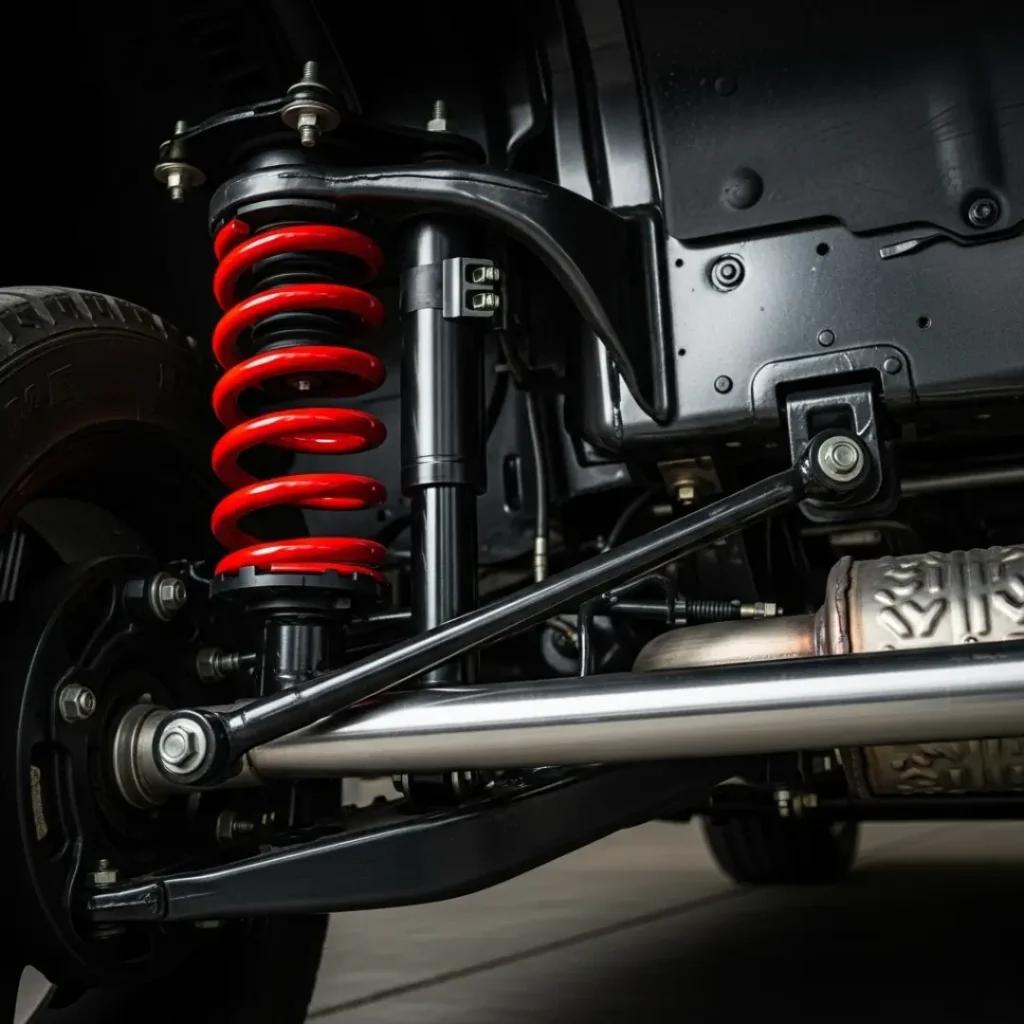
Maintaining your Camaro’s suspension is not just about comfort; it’s a matter of safety, performance, and vehicle longevity. Delaying necessary suspension repairs can lead to a chain reaction of issues, including:
- Damage to tires and wheels: Worn shocks or struts can cause uneven tire wear and premature tire failure.
- Brake and steering strain: A compromised suspension affects braking efficiency and steering precision, increasing stopping distance and risk of loss of control.
- Reduced handling and stability: Loose control arms, failing bushings, or worn shocks make the car feel unstable, especially during cornering or sudden maneuvers.
- Higher repair costs: Ignoring minor issues often leads to major component failure, making future repairs far more expensive.
For classic Camaros or modern models with Magnetic Ride Control, timely suspension repair at a professional suspension repair center ensures your car continues to perform as intended, giving you smooth, responsive handling and a safe driving experience. Addressing issues early also preserves the value and longevity of your Camaro, keeping it road-ready for years to come.
Benefits of Professional Suspension Repair
- Enhanced handling and road grip
- Improved comfort and ride smoothness
- Reduced tire wear
- Better braking stability
- Restored factory performance
Safer driving experience at high speeds
Why Choose Us for Camaro Suspension Repair in Dubai
- Expert Chevrolet-certified technicians
- Latest diagnostic and alignment equipment
- OEM or performance suspension parts available
- Full inspection and calibration service
- Warranty on parts and labor
Whether you drive a classic 1969 Camaro or a modern ZL1 track beast, we provide complete solutions tailored to your suspension needs.
Camaro Models We Service
We deal with all models of Camaro. The following are some most common models.
| Model | Suspension Type |
|---|---|
| Camaro LS / LT | MacPherson Strut Front, Coil Spring Rear |
| Camaro SS | Performance-Tuned Strut Suspension |
| Camaro RS | Independent Suspension |
| Camaro Z28 | Coil Spring & Control Arm Setup |
| Camaro ZL1 | Magnetic Ride Control System |
| Camaro IROC-Z | Coil Spring Suspension |
| Camaro 1LE | Sport-Tuned Independent Suspension |
| Classic 1967–1969 Camaro | Front Coil / Rear Leaf Springs |
Maintenance Tips for Camaro Suspension Longevity
- Inspect shocks and struts every 50,000–100,000 km
- Get wheel alignment after every major suspension service
- Replace in pairs (front or rear) to maintain balance
- Check bushings and control arms annually
- Avoid harsh potholes and overloading
Frequently Asked Questions
How do I know if my Camaro suspension needs repair?
You’ll notice symptoms like a bumpy or unstable ride, clunking noises, uneven tire wear, or poor handling when turning or braking. These are strong signs your suspension components, like shocks or control arms, need attention.
How long does the Camaro suspension last?
Typically, Camaro shocks and struts last between 60,000 to 100,000 km. However, aggressive driving, rough roads, and track use can shorten their lifespan.
Does the Camaro have air suspension?
Stock Camaros come with coil spring or Magnetic Ride Control systems, not factory air suspension. However, aftermarket air suspension kits are available for 5th and 6th-generation models
What are common Camaro suspension problems?
The most common issues include leaking struts, worn control arm bushings, clunking noises, uneven ride height, and steering looseness, especially in older or high-performance models.
Can I drive my Camaro with bad suspension?
It’s not recommended. Driving with worn suspension parts affects handling, increases braking distance, and may lead to loss of control, especially during sharp turns or emergency stops.
Do I need an alignment after suspension repair?
Yes. Every time you replace shocks, struts, or control arms, you should perform a four-wheel alignment to ensure proper handling and even tire wear.
How much does Camaro suspension repair cost?
Repair costs depend on the model and parts used. Labor complexity, suspension type (standard, coilover, or Magnetic Ride Control), and part quality all influence the total, so it’s best to get a detailed inspection first.
Should I replace both shocks or struts at once?
Yes. Always replace shocks or struts in pairs (front or rear) to maintain balanced ride height and performance.
What is Magnetic Ride Control on the Camaro?
Magnetic Ride Control (MRC) is an adaptive damping system found in models like the ZL1. It uses magnetorheological fluid to instantly adjust shock stiffness, providing superior handling and comfort.
Can I install aftermarket suspension on my Camaro?
Absolutely. Many owners upgrade to performance coilovers or air suspension kits for improved handling, customizable ride height, and a sportier driving feel.