

Jaguar Suspension Repair in Dubai: Complete Guide for All Models
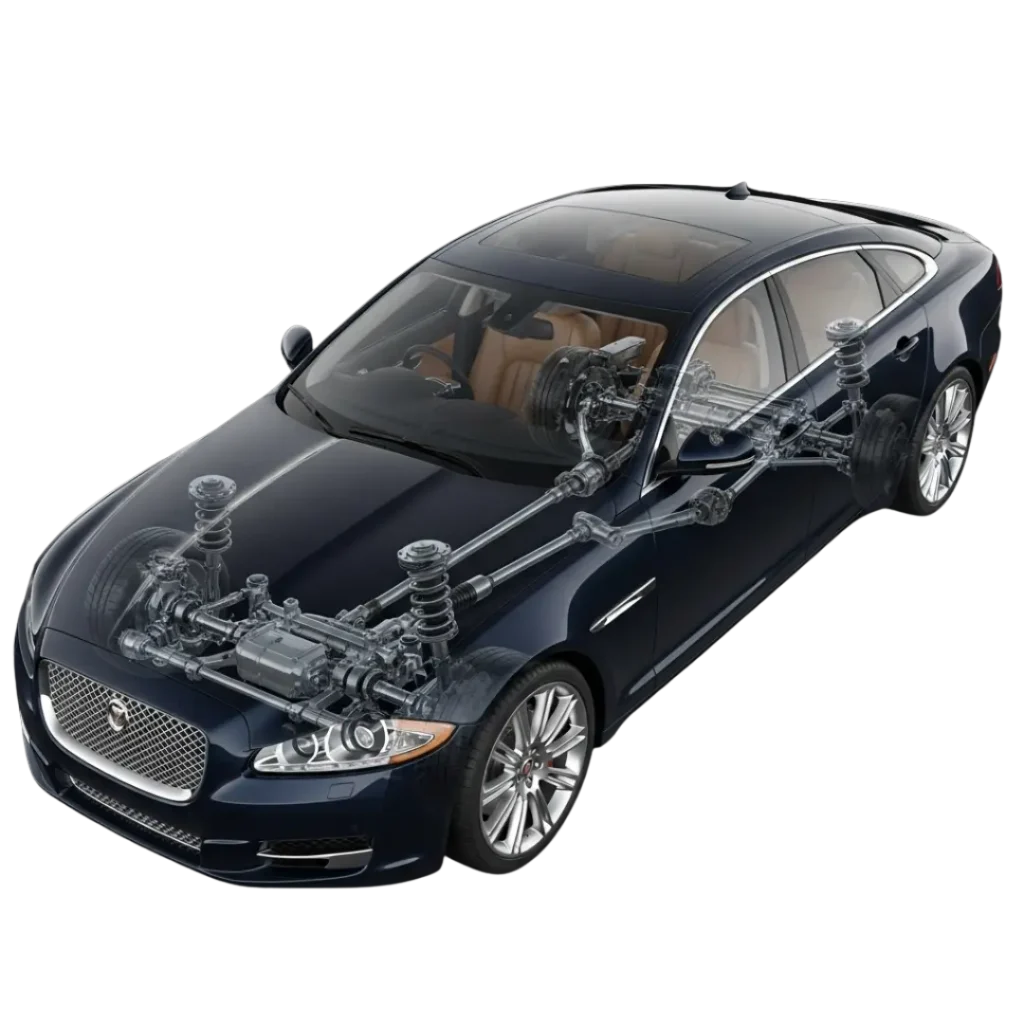
Jaguar vehicles are the pinnacle of luxury, performance, and precision engineering, renowned for delivering a driving experience that perfectly balances comfort, control, and exhilaration. Central to this exceptional ride is the suspension system, a complex integration of air springs, adaptive dampers, struts, shocks, sensors, and control modules, engineered to maintain stability, smoothness, and responsive handling under all conditions.
In a dynamic city like Dubai, where road conditions range from perfectly paved highways to uneven urban streets, a malfunctioning suspension can compromise both ride quality and driver control. This guide provides a comprehensive look at Jaguar suspension repair, covering common issues, maintenance tips, model-specific considerations, and the factors that affect repair costs, empowering you to maintain your Jaguar’s signature smooth and luxurious drive without surprises.
Understanding Jaguar Suspension Systems
Jaguar models come with different types of suspensions:
- Air Suspension with Self-Leveling: Found in XF, XJ, and some F-Pace models. Provides smooth ride quality and maintains consistent ride height regardless of load.
- Adaptive Dynamics: Used in the F-Type and some other performance models. Adjusts damping in real time for sportier handling.
- Standard Struts/Shocks: Basic suspension used in entry-level or optional models like XE and F-Pace.
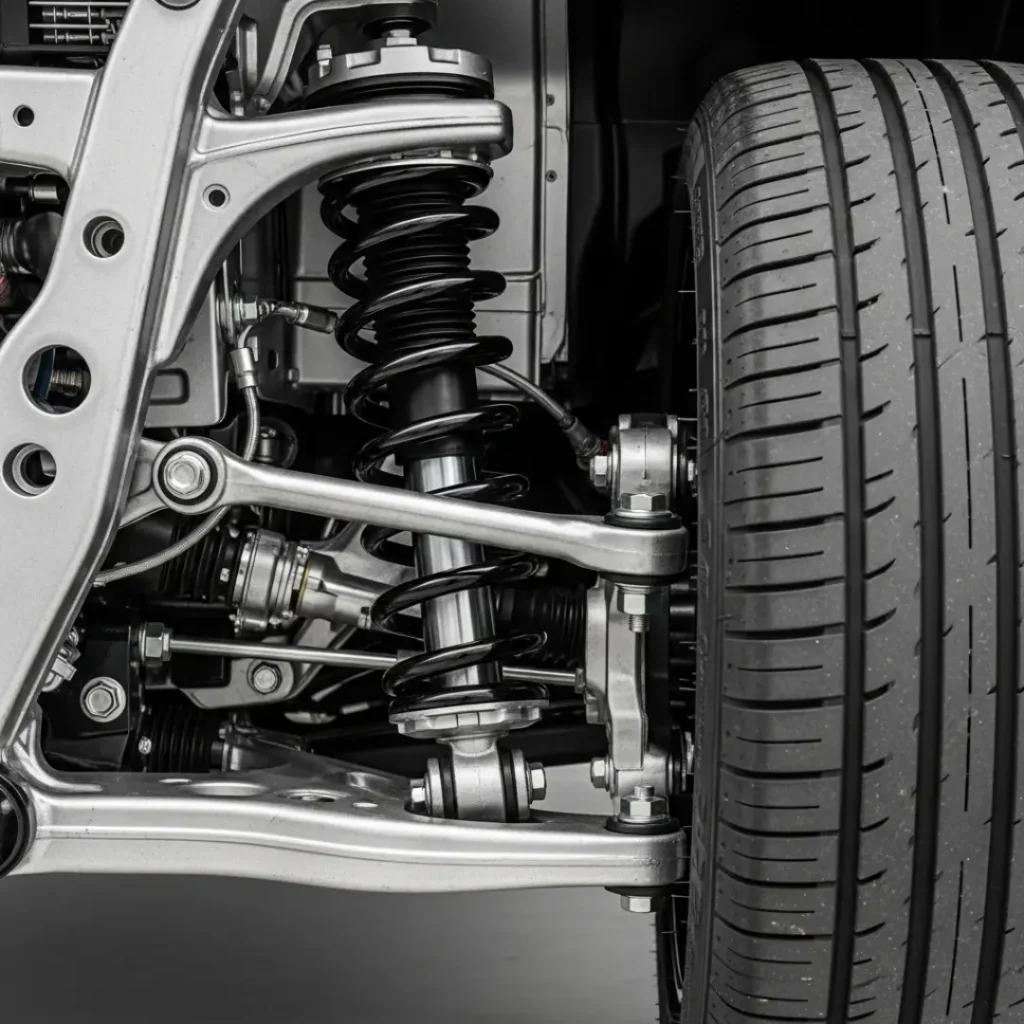
Each system consists of air springs, shocks/struts, compressors, height sensors, control modules, and electronic units. These components work together to ensure a balanced ride, proper cornering, and tire longevity.
Common Jaguar Suspension Problems
Regardless of the model, Jaguar suspensions can develop issues due to wear, road conditions, or component failure. Common problems include:
- Air Leaks: Rubber air springs may develop cracks or punctures.
- Compressor Failure: Overworked compressors can burn out.
- Sensor Malfunction: Faulty height or damping sensors can cause uneven ride height.
- Strut/Shock Wear: Leads to poor handling, vibrations, or excessive body roll.
Control Module Issues: ECU problems can mismanage air pressure or adaptive damping.
Signs Your Jaguar Suspension Needs Repair
Spotting suspension issues early can prevent costly repairs and maintain your Jaguar’s luxury performance. Watch for these signs:
Sagging or Uneven Ride Height
A vehicle leaning to one side may indicate issues with air springs, coil springs, or self-leveling components.
Dashboard Warning Lights
Alerts like “Suspension Fault” or “Air Suspension Fault” signal potential system failures.
Unusual Noises
Hissing, clicking, or knocking over bumps often points to air leaks, worn struts, or failing dampers.
Poor Handling
Excessive body roll, reduced traction, or difficulty cornering may involve control arms, sway bars, or shock absorbers replacement.
Rough Ride
Bouncy or stiff responses on normal roads usually indicate worn shocks, struts, or adaptive suspension parts.
Model-Specific Maintenance and Tips
To make it easier, here’s a comprehensive table covering all Jaguar models, their suspension types, common issues, and recommended maintenance:
| Jaguar Model | Suspension Type | Common Issues | Maintenance Tips | Inspection Interval | Notes |
|---|---|---|---|---|---|
| XF | Air Suspension with Self-Leveling | Air leaks, compressor failure, height sensor malfunction | Visual inspection, bounce test, check for hissing/noises, maintain tire pressure | Every 10,000 km / annually | Sensitive to heat, check compressors often |
| XJ | Air Suspension with Self-Leveling | Sagging, worn struts/shocks, ECU issues | Monitor ride height, inspect airbags, keep components clean, professional diagnostics | Every 10,000 km / annually | Ensure ECU calibration is done by a certified workshop |
| XE | Optional Air Suspension / Standard Struts | Air leaks (if equipped), worn shocks, uneven ride | Bounce test, check for creaks, clean suspension parts, tire alignment check | Every 15,000 km / annually | Check the optional air suspension if equipped |
| F-Type | Adaptive Dynamics | Adaptive shocks failure, uneven damping | Inspect struts, check for abnormal noises, and perform regular servicing at a certified workshop | Every 15,000 km / annually | Sporty handling; check damping frequently |
| F-Pace | Optional Air Suspension / Standard Struts | Compressor failure, sensor issues, rough ride | Monitor warning lights, inspect air springs, and maintain correct tire pressure | Every 10,000–15,000 km | Air suspension is optional; coil springs are more reliable |
| I-Pace | Air Suspension | Air leaks, compressor overwork, sensor wear | Visual checks, listen for hissing, and regular professional inspections | Every 10,000 km / annually | Electric model; battery location affects maintenance |
This table helps Jaguar owners in Dubai quickly understand what to watch for based on their specific model.
Jaguar Air Suspension: Precision, Comfort, and Performance
Jaguar’s air suspension system is a hallmark of luxury engineering, designed to provide a smooth, controlled ride while adapting to varying road conditions. Found in models like the XF, XJ, F-Pace, and I-Pace, this system combines air springs, compressors, height sensors, and control modules to deliver exceptional comfort, stability, and handling precision.
Key Features of Jaguar Air Suspension
- Self-Levelling Technology: Maintains consistent ride height regardless of load, ensuring balanced handling and optimal comfort.
- Adaptive Damping: Automatically adjusts the stiffness of shocks to match driving conditions, improving cornering and stability.
- Enhanced Ride Quality: Absorbs road imperfections, bumps, and uneven surfaces for a refined, luxury driving experience.
- Load Compensation: Adjusts suspension when carrying passengers or cargo, preserving performance and safety.
Common Issues with Jaguar Air Suspension
- Air Spring Leaks: Rubber airbags may crack or puncture over time.
- Compressor Failure: Excessive use or heat can cause compressors to overwork and burn out.
- Sensor Malfunctions: Height or damping sensors can fail, leading to uneven ride height or warning lights.
- Control Module Errors: ECU or adaptive system faults may mismanage suspension behaviour.
Air Suspension vs Coil Conversion: Which is Right for Your Jaguar?
aguar vehicles equipped with air suspension offer a smooth, self-levelling ride, while some owners consider converting to coil springs for long-term reliability. Understanding the differences can help you make an informed decision based on performance, maintenance, and cost considerations.
Air Suspension
Air suspension uses air springs, compressors, and height sensors to maintain a consistent ride height and absorb road imperfections. It delivers exceptional ride comfort and adaptive handling, especially in luxury and performance models like the XF, XJ, and F-Type.
Pros:
- Superior ride comfort and smoothness
- Self-leveling capability under load
- Maintains factory ride height and handling
- Preserves original Jaguar specifications
Cons:
- More components can fail (airbags, compressors, sensors)
- Higher maintenance and repair costs
- Sensitive to extreme heat and rough road conditions
Coil Spring Conversion
Converting to coil springs removes the air suspension system entirely and installs standard springs and struts. This approach is often considered by owners seeking lower maintenance costs or resolving recurring air suspension failures.
Pros:
- Reduced maintenance and repair costs
- More durable in harsh climates like Dubai
- Less risk of sudden suspension failure
Cons:
- Loss of self-leveling functionality
- The ride may feel firmer or less refined
- Alters original factory specifications
- Potential impact on resale value
| Feature | Air Suspension | Coil Conversion |
|---|---|---|
| Ride Comfort | Smooth, adaptive | Firmer, less refined |
| Self-Leveling | Yes | No |
| Maintenance Costs | Higher | Lower |
| Durability | Sensitive to wear | More durable |
| Original Specs | Maintained | Altered |
| Ideal Use | Luxury/performance driving | Long-term reliability |
Recommendation: If you prioritise comfort and factory ride characteristics, maintaining air suspension is ideal. If long-term reliability and lower maintenance are your priority, coil conversion is a practical alternative, especially in Dubai’s heat and road conditions.
Signs of Jaguar Air Suspension Failure
Jaguar air suspension systems are sophisticated and sensitive, designed to deliver a smooth, adaptive, and self-levelling ride. Detecting problems early can prevent costly repairs and ensure safety. Key signs of air suspension failure include:
- Uneven Ride Height: The car may lean to one side or sit lower than normal, indicating a leaking air spring or malfunctioning height sensor.
- Compressor Overwork: If you hear the compressor running frequently or longer than usual, it may be struggling to maintain pressure due to leaks or component failure.
- Hissing or Air Leaks: Audible hissing sounds from the wheel arches or undercarriage often signal punctured airbags or faulty air lines.
- Dashboard Warning Lights: Alerts such as “Air Suspension Fault” or “Suspension Service Required” are critical indicators of system issues.
- Harsh or Bouncy Ride: A sudden change in ride quality, such as excessive bouncing or stiffness, often points to failing air springs or dampers.
- Slow or Failed Self-Levelling: When loading passengers or cargo, the suspension may fail to adjust properly, indicating sensor or control module issues.
Recognizing these early warning signs and consulting a certified Jaguar specialist ensures your vehicle maintains its signature luxury performance and protects against further damage.
Tire and Wheel Alignment Considerations
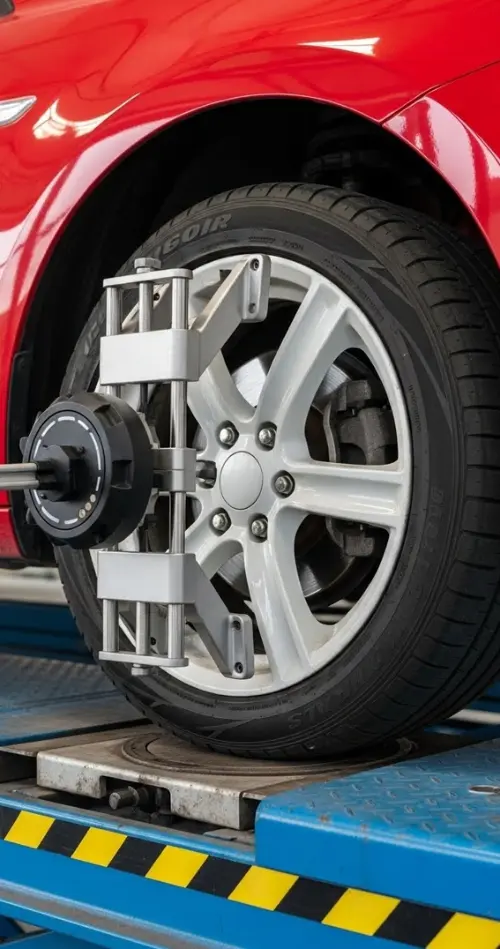
The performance and longevity of Jaguar suspension systems are closely linked to proper tyre condition and wheel alignment. Misaligned wheels or uneven tyres can accelerate wear on shocks, struts, and air suspension components. Key considerations include:
- Regular Alignment Checks: Ensure wheels are aligned according to Jaguar specifications after any suspension repair or replacement. Improper alignment can lead to uneven tyre wear and reduced handling precision.
- Tyre Pressure Monitoring: Maintaining manufacturer-recommended tire pressure reduces stress on suspension components and ensures even load distribution.
- Impact of Road Conditions: Driving over speed bumps, potholes, or rough Dubai streets can knock alignment out of specification, affecting ride comfort and safety.
- Signs of Misalignment: Uneven tyre wear, the car pulling to one side, or a crooked steering wheel indicate alignment issues that require immediate attention.
- Integration with Suspension Repair: After any air suspension or strut replacement, a wheel alignment check ensures optimal handling, prevents premature component wear, and maintains safety.
Prioritizing proper alignment and tyre care not only protects your Jaguar’s suspension but also enhances ride quality, stability, and overall driving confidence on Dubai roads.
How Jaguar Suspension Repairs Are Done
Professional repair involves diagnosing the exact problem and fixing the relevant component:
- Air Suspension Repairs: Replace leaking air springs, repair air lines, or reset the air compressor.
- Compressor Replacement: For overworked or burnt-out compressors, replacement or refurbishment is needed.
- Strut and Shock Replacement: Worn shocks or struts are replaced, often in pairs, to maintain handling balance.
- Sensor and ECU Calibration: Malfunctioning sensors or control modules are replaced or reprogrammed.
- Conversion to Coil Suspension: Optional for air suspension vehicles seeking long-term reliability.
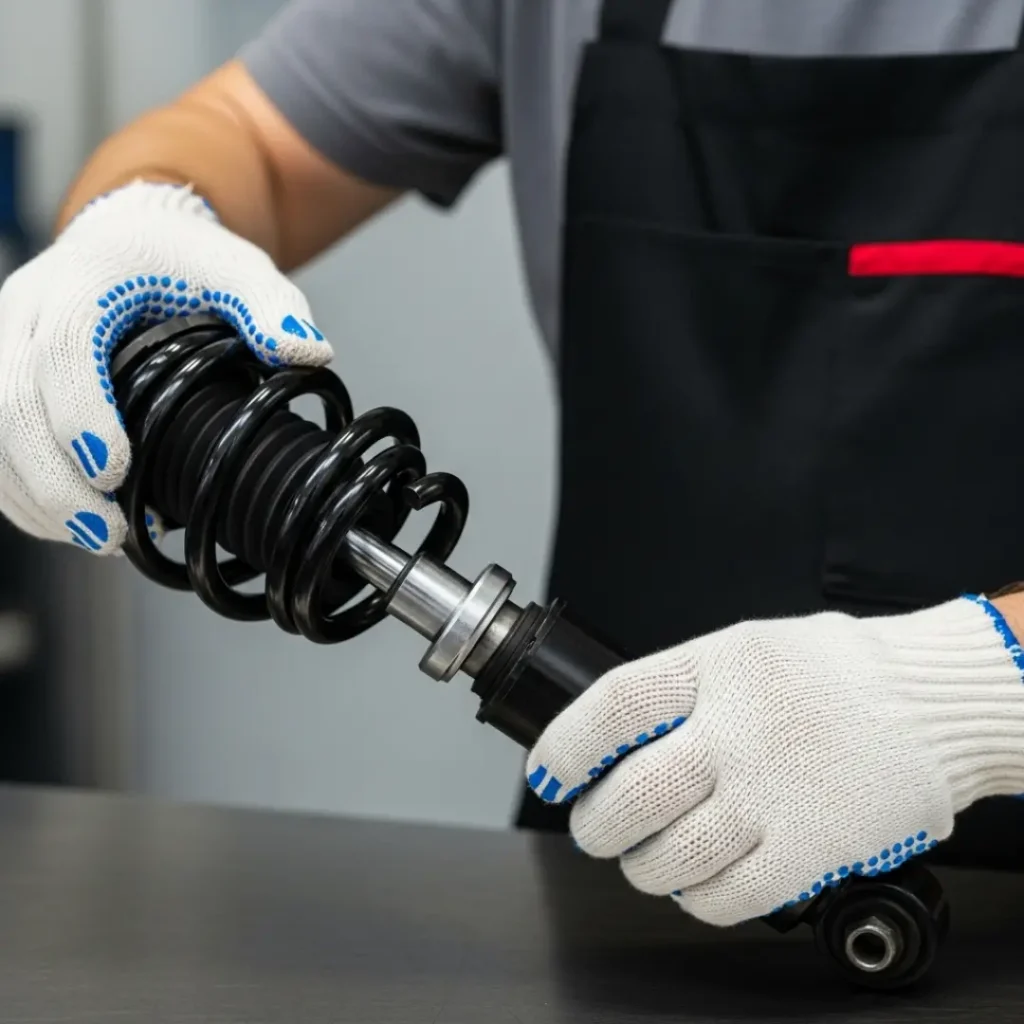
Jaguar Suspension Maintenance Tips
Proper maintenance helps extend the life of your Jaguar’s air suspension, adaptive dampers, and struts while preserving ride comfort and handling. Key practices include:
- Visual Inspection: Regularly examine airbags, shocks, struts, and control arms for signs of wear, cracks, or leaks.
- Bounce Test: Press down on each corner of your Jaguar to check suspension responsiveness; slow return or excessive bouncing indicates worn components.
- Listen for Sounds: Hissing, clicking, or knocking noises may signal air leaks, damaged dampers, or failing bushings.
- Tyre Pressure: Maintain tyres at manufacturer-recommended pressure to reduce stress on suspension parts and ensure even wear.
- Professional Diagnostics: For complex issues, rely on certified Jaguar service centres equipped with OBD2 scanners, OEM diagnostic tools, and trained technicians.
Jaguar Suspension Repair Cost in Dubai
Cost depends upon various factors. Some of the key factors that influence the cost:
Model and Year
Newer Jaguars with advanced adaptive systems are more complex to repair.
Suspension Type
Air suspension repairs are generally costlier than standard strut/shock repairs.
Component Condition
Damage to multiple parts (compressor, struts, sensors) increases complexity.
Labour Requirements
Repairs that require calibration, lifts, or component removal will take longer.
Parts Source
OEM parts cost more, while high-quality aftermarket parts may reduce expenses.
Service Location
Certified Jaguar workshops vs independent garages may vary in labour costs.
By understanding these factors, Jaguar owners can anticipate repair complexity and choose cost-effective solutions at a trusted Jaguar suspension repair center.
Understanding Jaguar Shocks and Struts
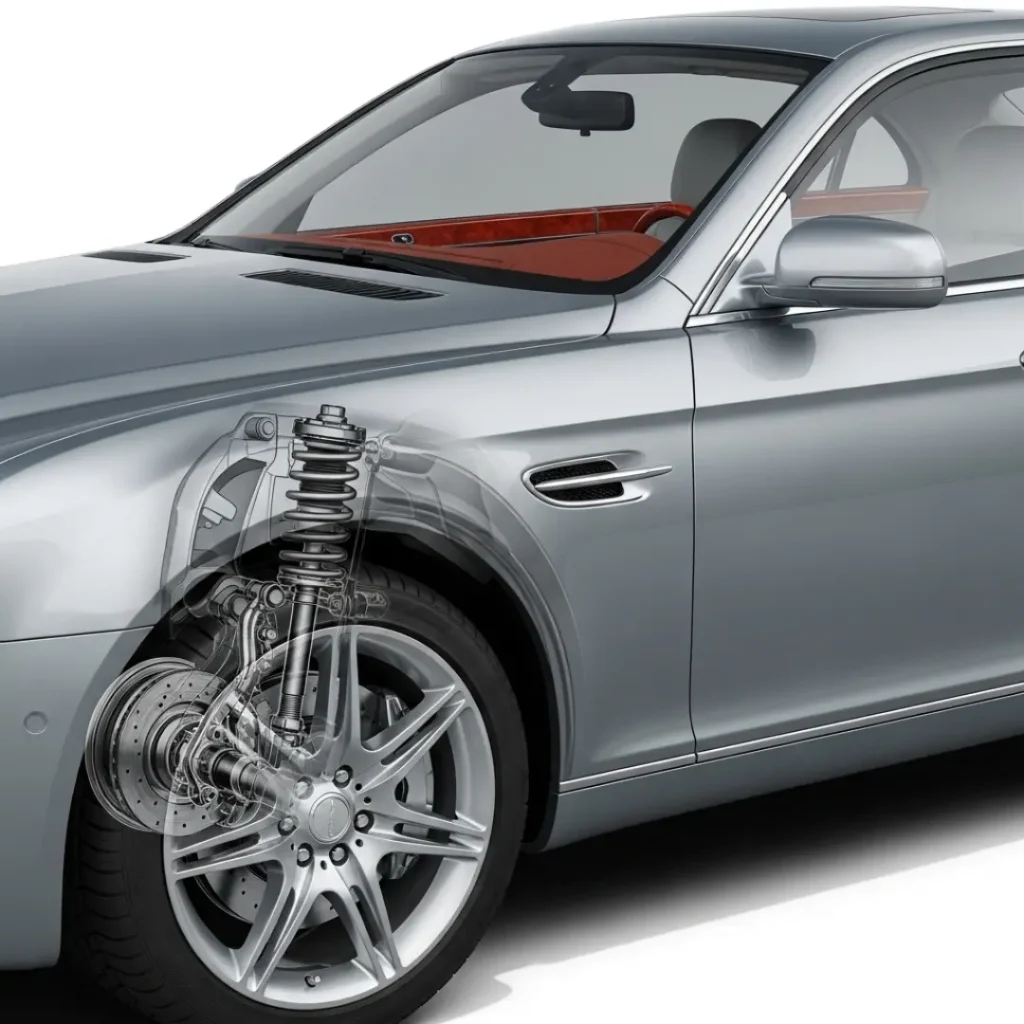
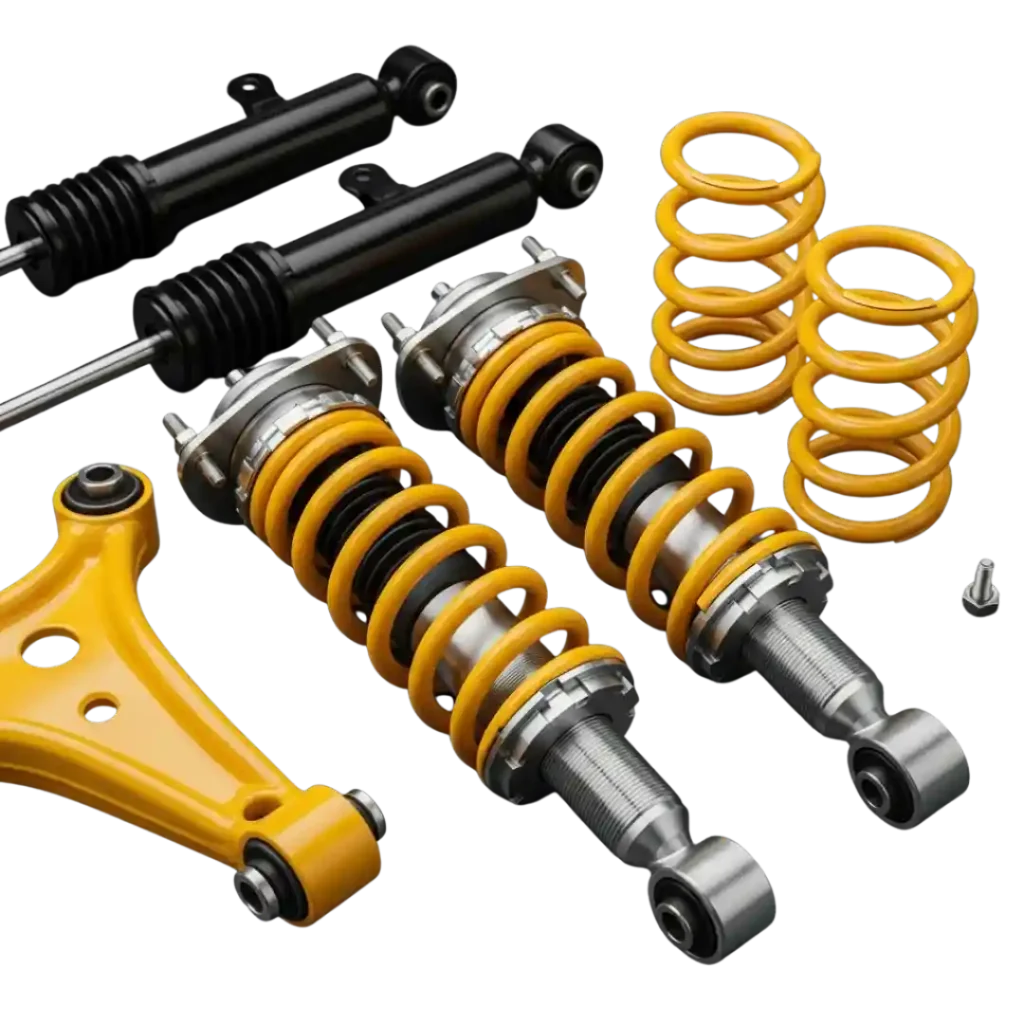
Shocks and struts are essential components of your Jaguar’s suspension system, responsible for controlling the vehicle’s ride quality, stability, and handling. They absorb impacts from road imperfections, reduce body roll during cornering, and keep tyres in contact with the road for optimal traction.
- Shocks (Shock Absorbers): Work by damping the up-and-down motion of the suspension, ensuring a smooth ride over bumps and uneven surfaces.
- Struts: Combine the functions of shocks with structural support for the suspension, helping maintain alignment and vehicle height.
- Signs of Wear: Excessive bouncing, poor handling, uneven tire wear, or unusual noises when driving over bumps may indicate worn shocks or struts.
- Maintenance Tips: Regular visual inspection, listening for unusual noises, and checking ride responsiveness with a bounce test can help identify issues early.
Why Choose Us for Jaguar Suspension Repair in Dubai
When it comes to maintaining the luxury performance and precision engineering of your Jaguar, choosing the right service provider is critical. Here’s why discerning Jaguar owners trust us:
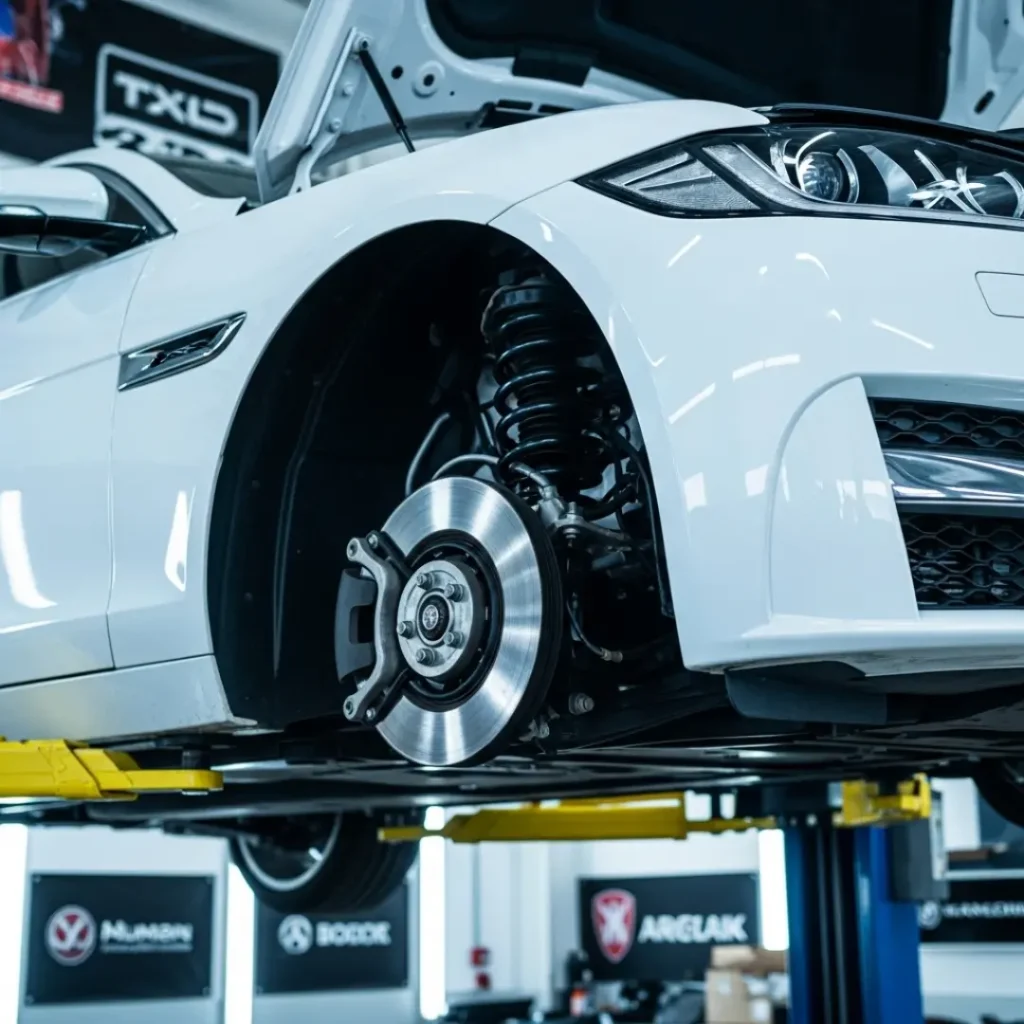
- Certified Jaguar Specialists: Our technicians are trained and certified to work on all Jaguar models, ensuring expert care for air suspension, adaptive dynamics, struts, shocks, and control systems.
- Genuine OEM Parts: We use only original Jaguar parts or high-quality certified alternatives, maintaining your vehicle’s performance, safety, and warranty compliance.
- Advanced Diagnostics: Equipped with state-of-the-art Jaguar diagnostic tools, we can accurately identify and fix air leaks, sensor failures, and compressor or strut issues.
- Comprehensive Service: From routine inspections and maintenance to complex suspension repairs, we handle every aspect of your Jaguar’s suspension with precision and care.
- Customer-Centric Approach: We prioritize transparency, efficiency, and reliability, keeping you informed throughout the repair process to ensure peace of mind and satisfaction.
- Dubai Expertise: Our team understands local road conditions, helping your Jaguar maintain smooth handling and optimal performance in the city’s unique driving environment.
Benefits of Professional Jaguar Suspension Repair
Maintaining or repairing your Jaguar’s suspension system offers tangible advantages in performance, safety, and longevity:
- Enhanced Ride Comfort: Properly functioning air suspension and adaptive dampers absorb road imperfections, ensuring a smooth, luxury driving experience.
- Improved Handling and Stability: Repaired struts, shocks, and control arms restore precise cornering, reduced body roll, and optimal traction, keeping your Jaguar safe at all speeds.
- Extended Component Lifespan: Timely maintenance prevents premature wear of airbags, shocks, struts, and bushings, reducing future repair costs.
- Accurate Ride Height: Ensures self-levelling systems work correctly, protecting tyres, suspension geometry, and overall vehicle performance.
- Safety Assurance: A healthy suspension system improves braking efficiency and steering response, reducing the risk of accidents.
- Preserved Vehicle Value: Keeping your Jaguar in peak mechanical condition protects its resale value and reinforces its reputation for luxury and performance.
Frequently Asked Questions
How do I know if my Jaguar suspension is failing?
Be alert to symptoms like the vehicle leaning to one side or sitting noticeably lower than usual, which can signal faults in the air springs, self‑levelling system, or coil springs. If you also notice an uncomfortable ride, increased bouncing over bumps, or excessive body roll, the suspension is likely compromised. These issues reduce comfort and safety.
Which Jaguar models come equipped with air suspension or self‑levelling suspension?
Some models, such as the Jaguar XJ and Jaguar XF, commonly feature full air suspension with self‑levelling technology, especially in higher trims. Performance variants like the Jaguar F‑Type may also have advanced adaptive or air‑suspension systems. Models like the Jaguar XE, Jaguar F‑Pace, and Jaguar E‑Pace may offer simpler coil‑spring setups or optional air systems.
Can I safely drive my Jaguar with a faulty suspension system?
While you can drive it for a short period, it’s not advisable. A failing suspension affects ride stability, braking performance, tyre wear, and handling precision. In Dubai’s heat and traffic conditions, compromised suspension may increase the risk of an accident or cause further damage to other components.
What are the most frequent causes of Jaguar air suspension failure?
Key causes include rubber air bags or air springs developing cracks or leaks due to heat or wear; air compressors overworking and burning out; height sensors failing to read correctly; and harsh driving conditions (kerbs, speed bumps) stressing components. In Dubai, the combination of heat, dust, and frequent road impact accelerates these failures.
How often should I inspect or service the suspension on my Jaguar?
It’s wise to have a suspension inspection at least once a year or every 10,000‑15,000 km, whichever comes first. However, if you notice warning signs earlier, such as uneven ride height, noises, or dashboard alerts, you should get it checked sooner to avoid more extensive damage.
What’s the difference between repairing a Jaguar’s air suspension and converting to coil springs?
Repairing the factory air suspension means replacing damaged air springs, compressors, and sensors and calibrating the system to restore original behaviour. Converting to coil springs is a permanent solution that removes the air system entirely and uses standard springs and struts instead. The conversion often costs less in future maintenance and avoids recurring air‑system failures, but it may change ride characteristics from factory specifications.
Are some Jaguar suspension repairs suitable for DIY, or should I always use a professional?
Basic checks, such as visual inspection of shocks or tyres, listening for noises, or doing a bounce test, you can do by yourself. But complex tasks such as repairing air suspension, sensor recalibration, compressor replacement, or dealing with adaptive systems should be handled by a professional with the right tools and experience for Jaguar‑brand systems.
What are the early warning signs of a failing suspension compressor in a Jaguar?
Signs include the compressor running longer than usual, hissing or whistling noises from the suspension area, the vehicle sagging when parked, or the compressor failing to raise the car to normal height. Look also for repeated activation of the compressor shortly after start‑up, which may indicate a leak or failing compressor.
What maintenance should I perform on my Jaguar’s suspension when driving in Dubai’s conditions?
Regularly inspect for air leaks, cracked air springs, worn struts, and shocks. Clean suspension components to remove dust and sand. Keep your tyres inflated to the manufacturer’s specification to reduce stress on suspension. Perform a “bounce test” to check rebound, and listen for unusual noises over speed bumps or rough roads. Given Dubai’s heat and road conditions, early diagnostics at a certified service centre are wise.
Why is it important to have a certified Jaguar specialist work on my suspension system?
Jaguar suspension systems, especially air suspension or adaptive dynamics, are complex and require OEM‑level parts, proper calibration, and diagnostic equipment. A certified Jaguar specialist will have the correct tools, training, and access to genuine or high‑quality replacement components, thereby safeguarding your vehicle’s performance, safety, and value.