
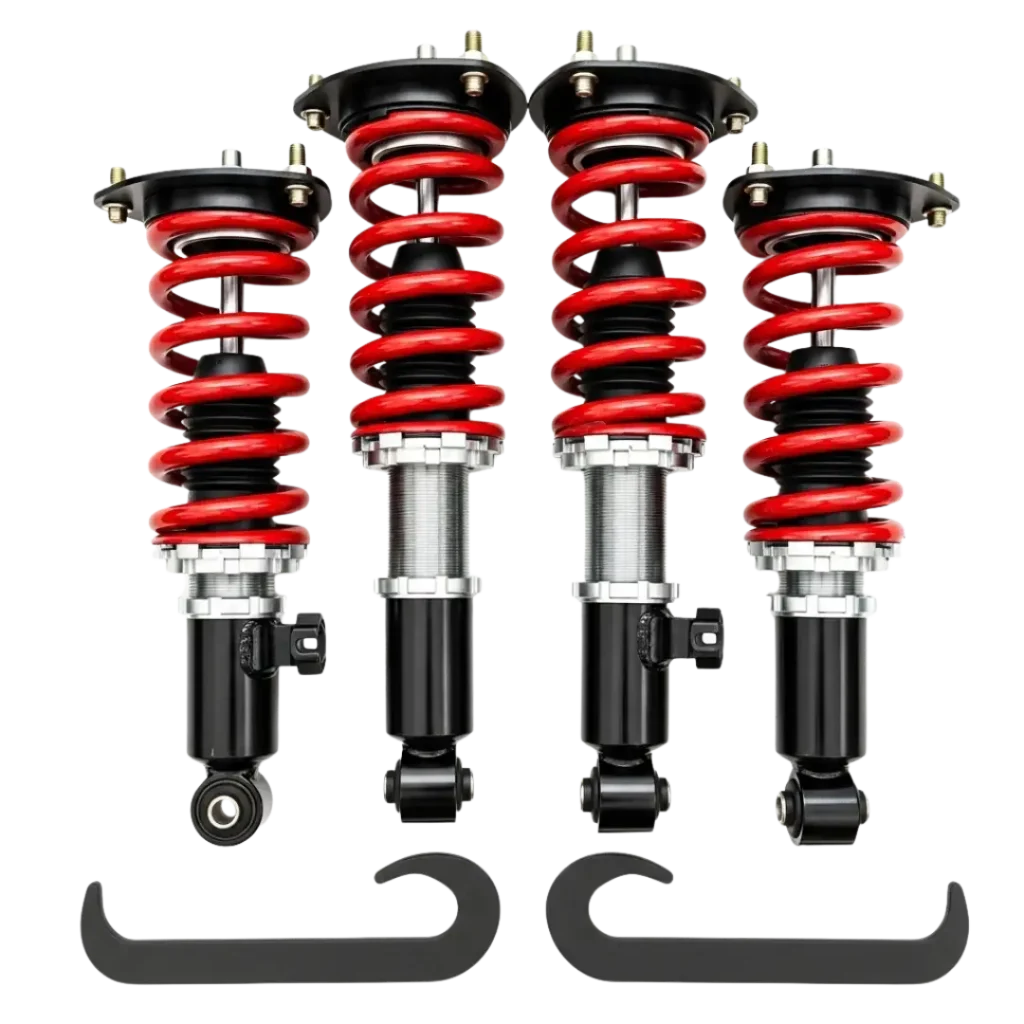
Dodge Shock Absorber Replacement in Dubai
Every Dodge, whether it’s the muscular Challenger, the luxurious Durango, or the power-packed Ram 1500, is engineered to deliver an exciting yet controlled ride. Beneath that power and precision lies one of the most important yet overlooked components: the shock absorber.
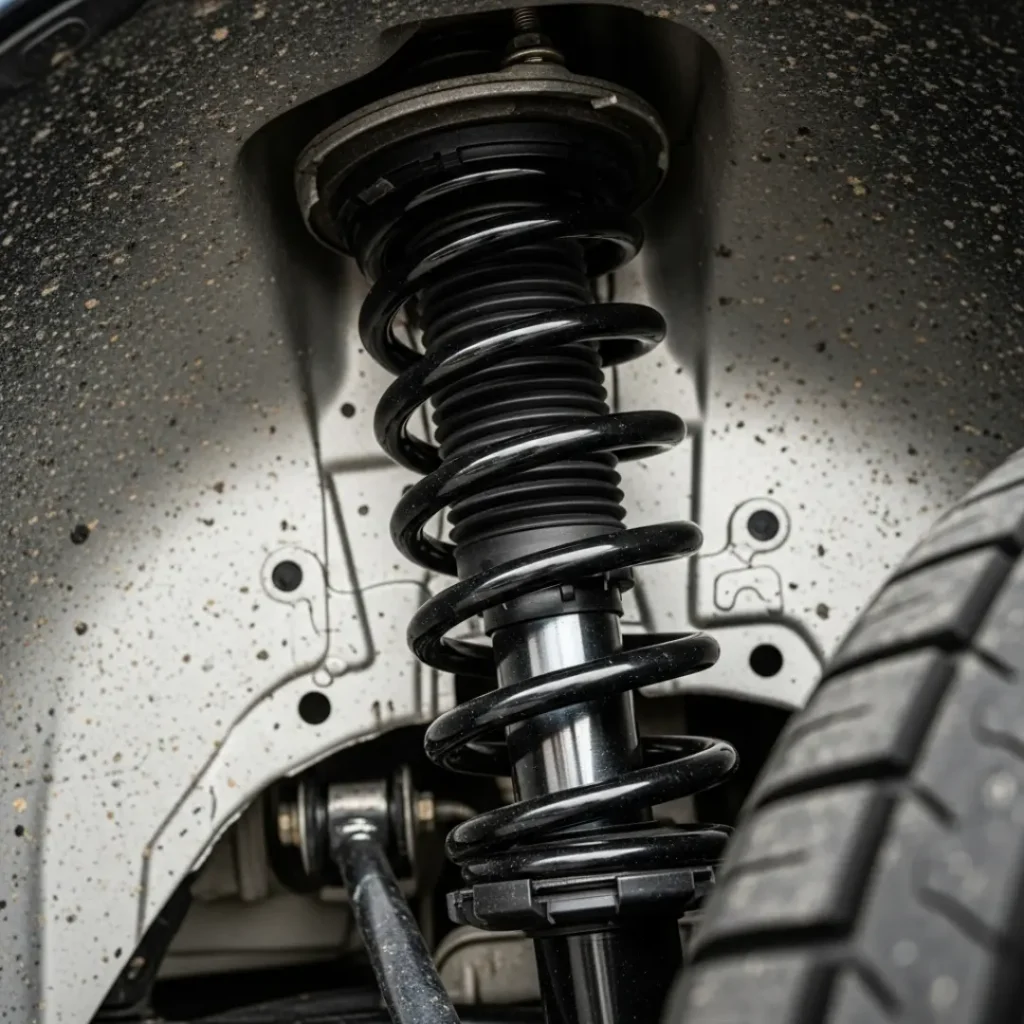
Shock absorbers are what keep your Dodge balanced, stable, and comfortable. They quietly absorb every bump, pothole, and vibration so your tires stay planted on the road. But like all mechanical parts, shocks have a lifespan. Over time, they wear out, and when they do, your vehicle starts to feel different.
If your Dodge feels rougher, bouncier, or less predictable than usual, it might be trying to tell you for an inspection at a trusted replacement center in Dubai.
Understanding the Role of Shock Absorbers
Most people think shock absorbers are just for comfort. In reality, they are a safety-critical component.
When you drive, your suspension moves up and down to absorb uneven road surfaces. Without shocks, the vehicle would keep bouncing after every bump. The shock absorber’s job is to control that movement, turning uncontrolled bouncing into stable, smooth motion.
A good shock absorber:
- Keeps tires in contact with the road.
- Prevents nose-diving when braking.
- Reduces body roll during cornering.
- Maintains ride comfort even at high speeds.
When shocks wear out, all these functions weaken. You might not notice it overnight, but gradually, your Dodge starts losing that tight, composed feel that made you love it in the first place.
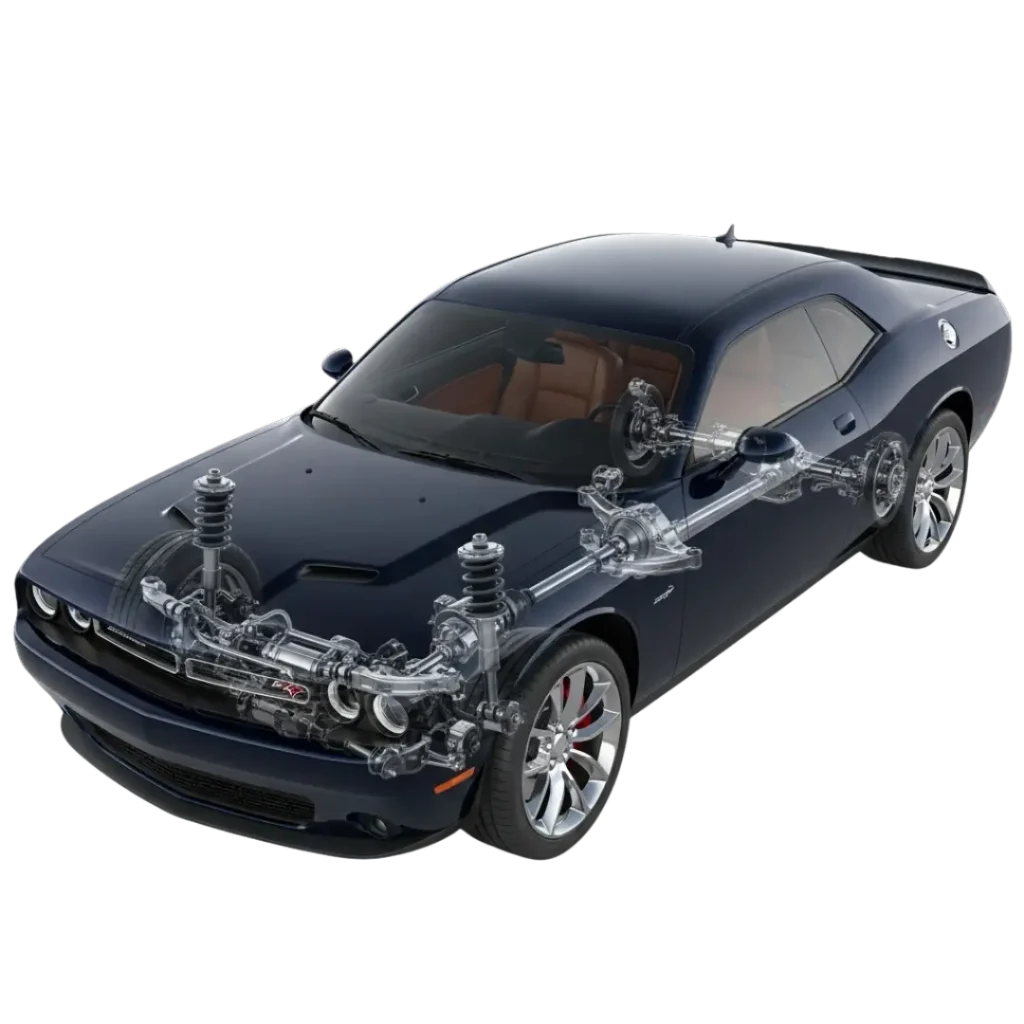
Common Signs Your Dodge Needs Shock Absorber Replacement
There’s no set mileage for replacement, because it depends on your driving style and road conditions. But typically, shocks last between 50,000-80,000 miles.
If you live in an area with rough roads, extreme heat, like Dubai, or drive with heavy loads, wear can occur sooner. Here are the most common warning signs:
Your Dodge Feels Bouncy or “Floaty”
If your car continues to bounce after hitting a bump or dip, the shocks aren’t doing their job of controlling rebound.
Nose Dives While Braking
When braking, the front of the car dips noticeably, a sign that the front shocks have weakened.
Uneven Tire Wear
Worn shocks allow tires to lose consistent road contact, causing patchy wear patterns known as “cupping.”
Steering Feels Loose
Bad shocks reduce steering stability, making the car feel vague or unstable during lane changes.
Leaking Fluid
If you spot oil leaking from the shock body, it’s a clear sign that the internal seals are worn out.
Clunking or Rattling Noises
A damaged shock mount or loose internal components can cause knocking sounds over bumps.
If even one of these symptoms appears, it’s worth getting your suspension inspected by a professional suspension repair center. Replacing shocks early prevents further damage to tires, control arms, and bushings.
Types of Shock Absorbers Used in Dodge Vehicles
Different Dodge models feature different shock designs, depending on performance and purpose. Understanding each type helps in choosing the right replacement.
Twin-Tube Shock Absorbers
These are the most common types found in daily-use vehicles like the Dodge Journey or Caliber. They consist of an inner and outer tube filled with oil, providing a smooth and comfortable ride. Great for everyday driving and moderate road conditions.
Mono-Tube Shock Absorbers
Used in performance-oriented models like Charger R/T or Challenger, mono-tube shocks use a single chamber and gas pressure for superior response and heat dissipation. They perform better under aggressive driving and high-speed conditions.
Gas-Charged Shock Absorbers
These prevent foaming inside the hydraulic fluid and maintain consistent damping. They’re ideal for hot climates or spirited driving.
Air Suspension Shocks (Airmatic Systems)
Luxury Dodge trims and SUVs may use air shocks. Instead of metal coils, they rely on compressed air for adjustable height and comfort. If you notice uneven ride height or the vehicle sagging after parking overnight, the air suspension may have leaks and need inspection.
Step-by-Step: How Shock Absorbers Are Replaced
Though the replacement process can vary by model, the overall steps are similar. Professional mechanics follow these key stages:
Preparation
The vehicle is lifted securely. Wheels are removed to access the suspension area. A quick inspection is done for other damaged components.
Removing Old Shocks
Mounting bolts at both ends are loosened. Corroded bolts are treated with penetrating oil to prevent damage. Old shocks are removed carefully to avoid bending mounts or brake lines.
Installing New Shocks
New shocks are pre-charged by compressing them a few times. The upper mount is fitted first, followed by the lower. Bolts are hand-tightened before final torque.
Torque & Reassembly
All bolts are torqued to factory specifications. Wheels are reinstalled and tightened properly. A test drive and suspension alignment are performed to verify the installation.
Tip: Always replace shocks in pairs (front pair or rear pair) to maintain balance and stability.
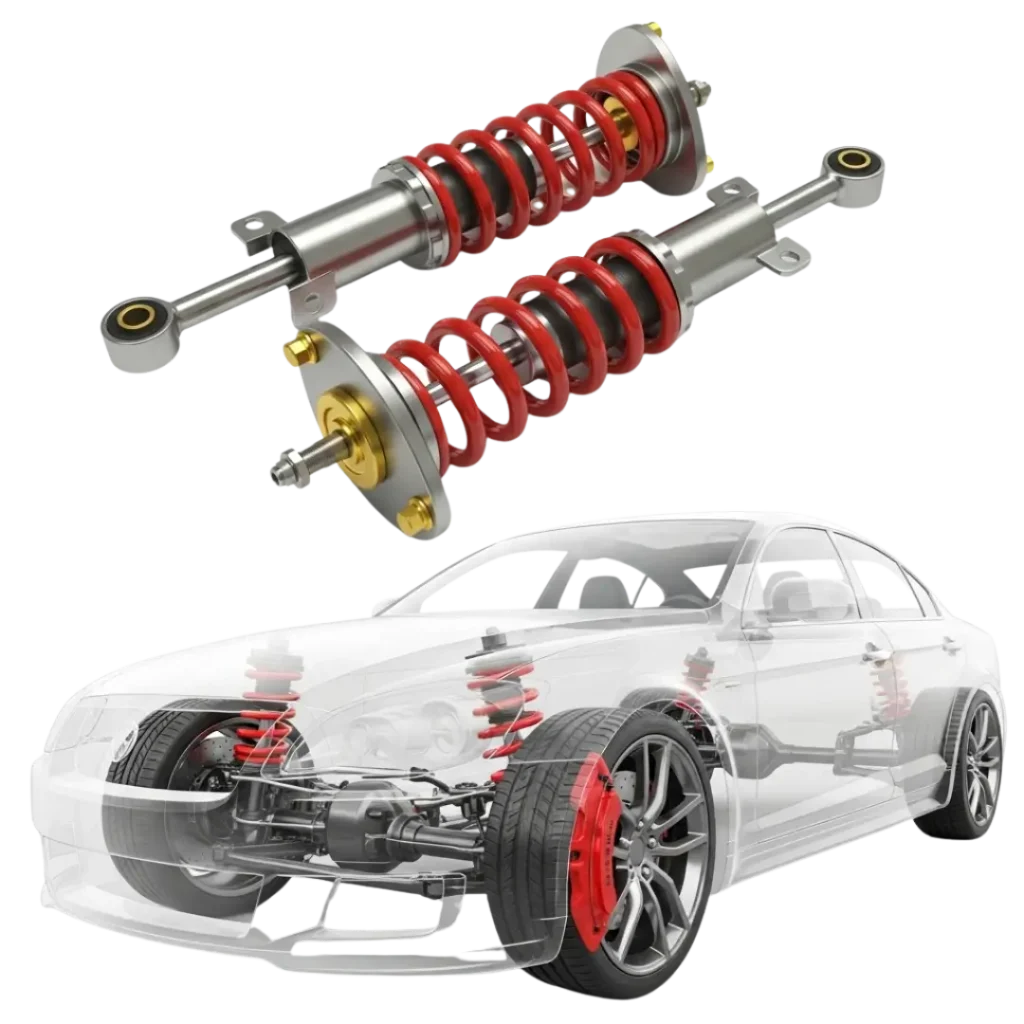
Benefits of Replacing Worn Shock Absorbers
When shocks are replaced on time, your Dodge’s performance feels renewed. You’ll notice immediate improvements in:
- Ride Comfort: Smoother and quieter driving on all road types.
- Steering Response: Tighter, more predictable control at high speeds.
- Tire Longevity: Even wear patterns and longer lifespan.
- Reduced Suspension Stress: Less strain on other suspension parts.
- Safety: Better braking and stability during emergencies.
Even if your car still feels “okay,” old shocks slowly affect other systems, meaning preventive replacement is often cheaper than waiting for visible failure.
Dodge Shock Absorber Replacement Cost
The cost of replacing Dodge shock absorbers can vary widely, not because of hidden charges, but due to these key factors:
| Factor | Explanation |
|---|---|
| Model & Year | Larger trucks or performance cars require heavy-duty shocks. |
| Shock Type | Air or mono-tube shocks are pricier than twin-tube designs. |
| Labor Difficulty | Some rear shocks are difficult to access and take more time to replace. |
| Parts Brand | OEM or premium brands (Bilstein, KYB, Monroe) cost more but offer better longevity. |
| Additional Work | Suspension alignment or mount replacement adds to the overall cost. |
So, before replacing, it’s always better to get a complete inspection. Sometimes, you may only need new shocks; other times, bushings or struts may also require attention.
Maintenance Tips for Long Shock Life
To extend the lifespan of your shock absorbers:
- Avoid potholes and rough terrain whenever possible.
- Don’t overload your vehicle beyond its weight limit.
- Keep tires properly inflated.
- Have the suspension checked every 10,000 km or during oil change intervals.
- Wash the undercarriage occasionally to remove sand and salt buildup.
- Address any clunking or vibration early — minor issues can escalate quickly.
Proper care ensures your Dodge suspension remains smooth and safe for years.
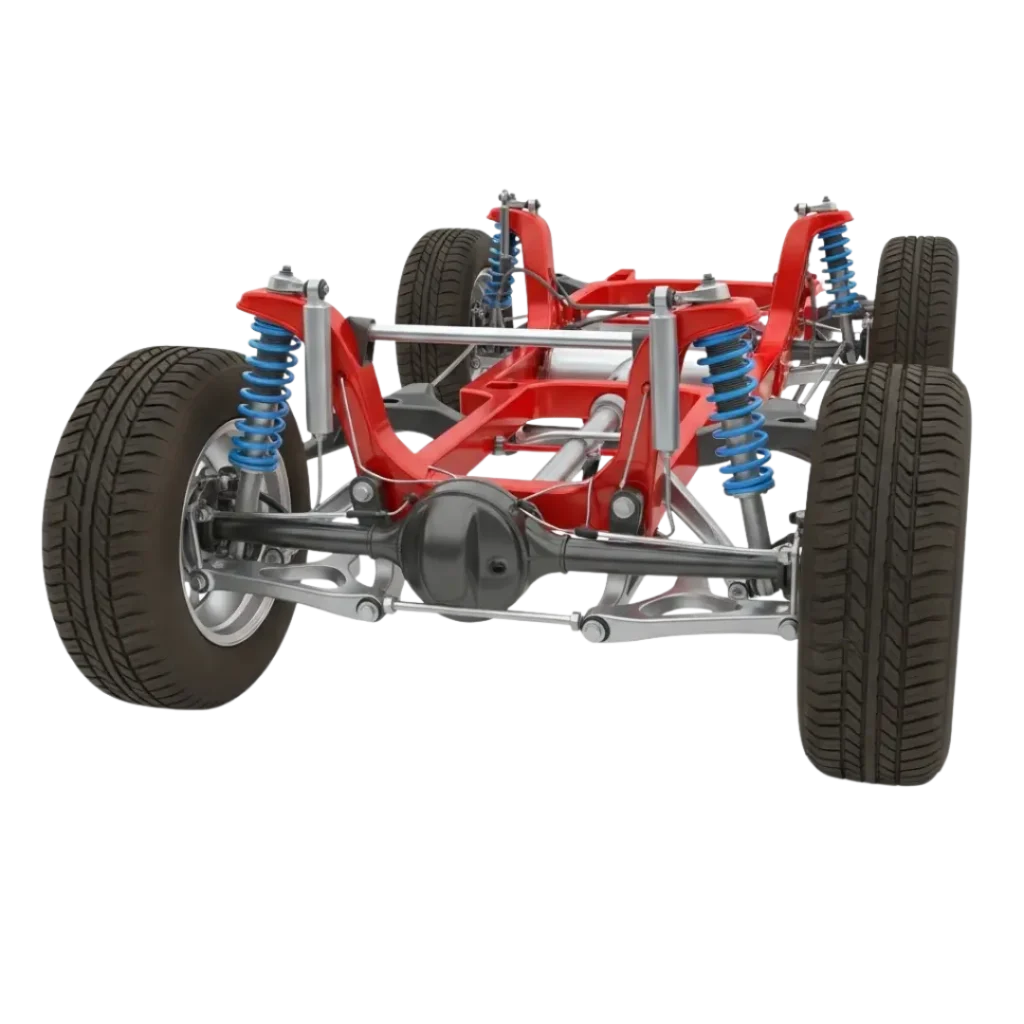
When to Visit a Trusted Replacement Center
Shock absorbers directly impact ride quality and safety. If your vehicle feels unstable, bouncy, or shows any of the signs discussed, it’s best to have it inspected by a trusted workshop or Dodge specialist.
They’ll check:
- Whether the shocks are leaking or weak.
- If the mounts or bushings are worn.
- Whether the issue lies in struts, coils, or shocks.
A proper diagnosis ensures you replace only what’s necessary, avoiding extra costs and ensuring your car’s suspension performs at its best.
Even if you’re handy with tools, shock replacement on modern Dodges can be complex due to sensors, adaptive suspension systems, and torque settings. That’s why professional service is always recommended for safety and precision.
Common Dodge Suspension Problems
| Problem | Possible Cause | Recommended Action |
|---|---|---|
| The vehicle leans to one side | Weak or leaking shock | Replace the affected shock absorber |
| Rear-end sagging | Air suspension leak | Check the compressor and air bag system |
| Bouncing on bumps | Worn shocks or struts | Replace both shocks |
| Uneven tire wear | Weak damping or bad alignment | Inspect suspension and realign |
| Rattling noise over rough roads | Loose mounts or worn bushings | Tighten or replace mounts |
These issues often develop gradually; regular inspection helps catch them early.

Why Choose Us for Your Dodge Shock Absorber Replacement
Choosing the right team for your Dodge shock replacement isn’t just about convenience; it’s about trust, precision, and long-term performance. Our specialists understand how every Dodge model, from the rugged Ram to the sporty Challenger, demands specific care when it comes to suspension work.
Here’s what sets our service apart:
- Certified Technicians:
Our mechanics are trained in handling both standard and adaptive Dodge suspension systems, ensuring your car gets expert attention. - Advanced Diagnostic Tools:
We use modern diagnostic scanners and suspension testing equipment to accurately identify wear, leaks, or air suspension faults before any replacement. - Genuine & OEM-Grade Parts:
All shock absorbers and components meet or exceed Dodge factory standards, ensuring long-term reliability and consistent ride quality. - Transparent Process:
You’ll know exactly what’s being replaced and why. No unnecessary upsells or hidden costs, just honest service. - Quality Testing & Alignment:
Every vehicle undergoes post-replacement alignment and test driving to verify stability, comfort, and handling. - Customer-Centered Approach:
We aim for comfort and safety, not quick fixes, because we know every Dodge deserves precision, not shortcuts.

Dodge Models We Service
Every Dodge model is engineered with a unique suspension design, from sport-tuned systems to heavy-duty setups. That’s why our technicians are trained to handle all types of Dodge vehicles, ensuring precise shock absorber replacement no matter the make or trim.
We provide expert inspection, maintenance, and replacement services for all Dodge models. The following are some common Dodge models:
- Dodge Charger – Known for its powerful performance and smooth handling.
- Dodge Challenger – Equipped with performance shocks for high-speed stability.
- Dodge Durango – Advanced suspension for SUV comfort and towing strength.
- Dodge Ram 1500 / 2500 / 3500 – Heavy-duty shock systems for rugged performance.
- Dodge Journey – Balanced ride comfort and family-friendly suspension tuning.
- Dodge Dart – Compact yet responsive handling that depends on healthy shocks.
- Dodge Avenger – Mid-size comfort and steady control on city roads.
- Dodge Nitro – Off-road capable with gas-charged and twin-tube shock options.
- Dodge Caliber – Designed for efficient, smooth city driving.
No matter which model you drive, from a Ram truck to a Challenger muscle car, keeping the suspension system in good shape ensures your Dodge delivers the ride quality and control it was built for.
FAQs
How do I know if my Dodge shocks need to be replaced?
You’ll usually notice a few clear symptoms, like excessive bouncing after bumps, uneven tire wear, longer braking distances, or the vehicle nose-diving when you brake. If the ride feels rougher than usual, it’s time to get the shocks checked.
How often should Dodge shock absorbers be replaced?
On average, Dodge shocks last between 50,000 to 80,000 km, but it depends on your driving style and road conditions. Rough or uneven roads may require earlier replacement.
What happens if I don’t replace bad shock absorbers?
Ignoring worn shocks can reduce control, cause uneven tire wear, increase stopping distance, and make the ride unsafe, especially at highway speeds or during emergency braking.
Can I drive my Dodge with bad shocks?
You can, but it’s not recommended. Bad shocks affect handling, steering, and braking response. Driving too long like this can also damage suspension components and tires.
Are front and rear shocks replaced at the same time?
It’s best to replace shocks in pairs, either both fronts or both rears. That ensures balanced handling and consistent ride quality. If all are worn, replacing all four gives the best results.
What type of shocks are best for Dodge vehicles?
It depends on your model and usage.
- Twin-tube shocks: for daily driving and comfort.
- Mono-tube shocks: for performance and better heat resistance.
- Gas-charged shocks: to reduce body roll and improve stability.
Check your Dodge manual or consult a certified technician before choosing.
How long does shock replacement take on a Dodge?
Usually, 1–2 hours for a pair of shocks, depending on the model and setup. Some Dodge SUVs or trucks may take longer if extra suspension components need removal.
Does replacing shocks improve ride quality?
Yes, new shocks restore your Dodge’s smoothness, stability, and handling control. They also protect your tires and suspension from premature wear.
What factors affect the cost of a Dodge shock replacement?
Several factors influence the cost:
- Model and year of your Dodge
- Type of shock absorber (OEM, aftermarket, gas, or performance)
- Labor charges based on location
- Additional suspension work (like mounts or bushings)
Always ask for a diagnostic before replacement to know what exactly needs repair.
Where should I get my Dodge shocks replaced?
It’s best to visit a trusted auto service center or Dodge-certified workshop like Suspension Repair. They use genuine or high-quality parts, ensure proper alignment, and test your suspension after replacement for safe handling.