
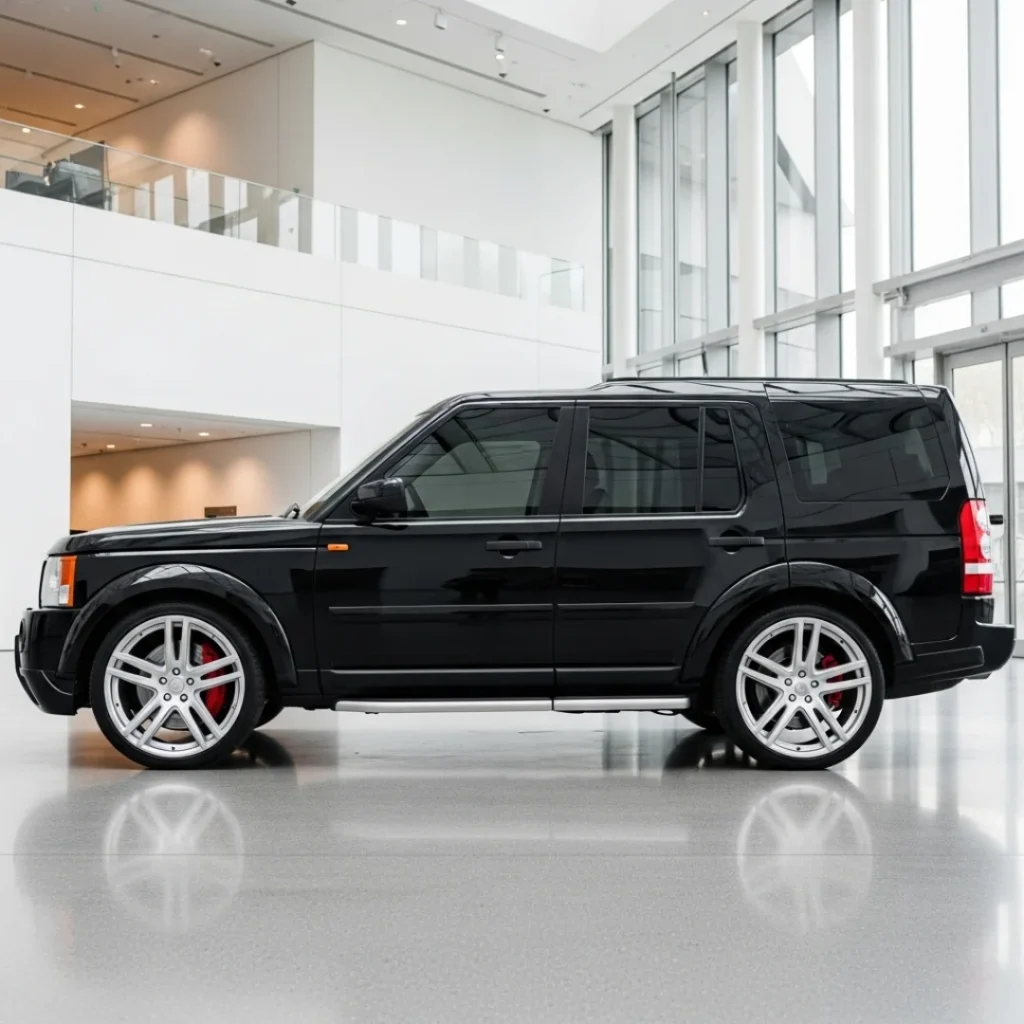
Land Rover Suspension Repair in Dubai: A Complete Guide
The suspension system of a Land Rover is crucial for its signature combination of off-road capability and luxurious comfort. Whether cruising on highways or navigating rugged terrain, the suspension absorbs shocks, stabilises the vehicle, and ensures optimal handling.
Land Rover vehicles are equipped with advanced suspension systems, including air suspension, struts, shocks, control arms, and bushings. Over time, these components can wear out, affecting ride quality, safety, and handling. Proper maintenance and timely repairs at a trusted car suspension repair centre in Dubai are critical to ensure your Land Rover continues to perform at its best.
If you notice reduced control, strange noises, or uneven height in your Porsche, it could indicate a suspension problem. Timely suspension repair enhances ride comfort and prevents costly long-term damage.
Types of Land Rover Suspension Systems
Land Rover vehicles are engineered for luxury, off-road capability, and unmatched ride comfort, and a big part of that is their advanced suspension systems. Different models, including the Range Rover, Range Rover Sport, and Discovery, come equipped with cutting-edge suspension setups designed to adapt to every driving condition.
Land Rover Air Suspension
Many Land Rovers feature sophisticated air suspension systems that use air springs, compressors, sensors, and air lines to automatically adjust ride height. This system ensures a silky-smooth, stable ride, whether you’re cruising city streets or tackling rugged off-road trails in Dubai. However, air suspension is also one of the most complex and costly components to repair. A single air spring failure can impact the entire system, often requiring all four springs to be replaced to maintain proper balance and prevent further issues.
Land Rover Coil and Multi-Link Suspensions
Some Land Rover models employ coil spring or multi-link suspension systems at the front and rear. These setups provide excellent handling and stability, with each wheel independently reacting to road conditions. Multi-link suspensions are especially common in larger models like the Discovery and Defender, offering superior control over uneven terrain.
Land Rover Double-Wishbone Suspension
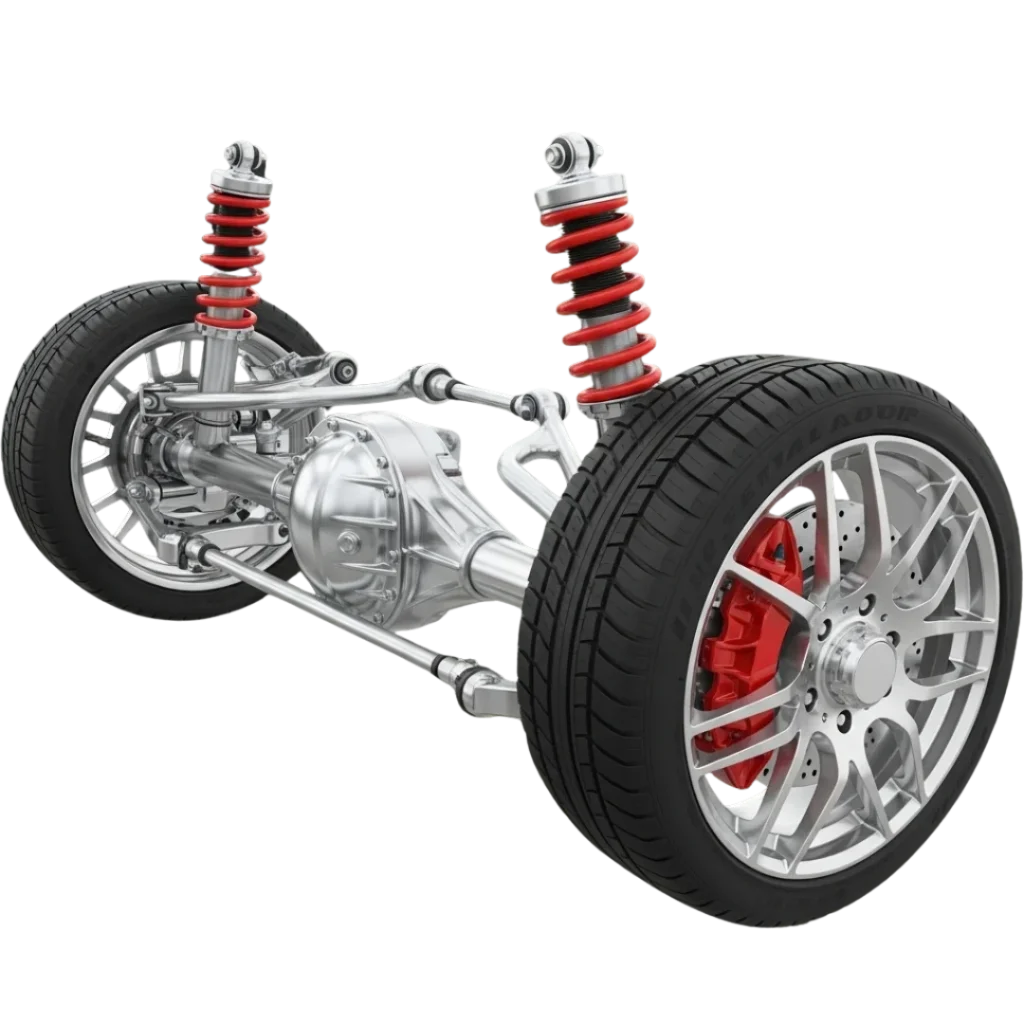
Found in premium models such as the Range Rover and Range Rover Sport, the double-wishbone suspension allows each wheel to move independently, ensuring precise handling and optimal comfort. This system is often combined with air springs for an extra layer of smoothness and adaptability.
In short, every Land Rover suspension system is designed to provide the perfect balance of luxury and performance. Whether it’s the high-tech air suspension for a cloud-like ride or robust multi-link setups for off-road adventures, these systems make Land Rover a class apart but also demand expert care and timely maintenance to perform at their best.
Land Rover Struts and Shock Absorbers
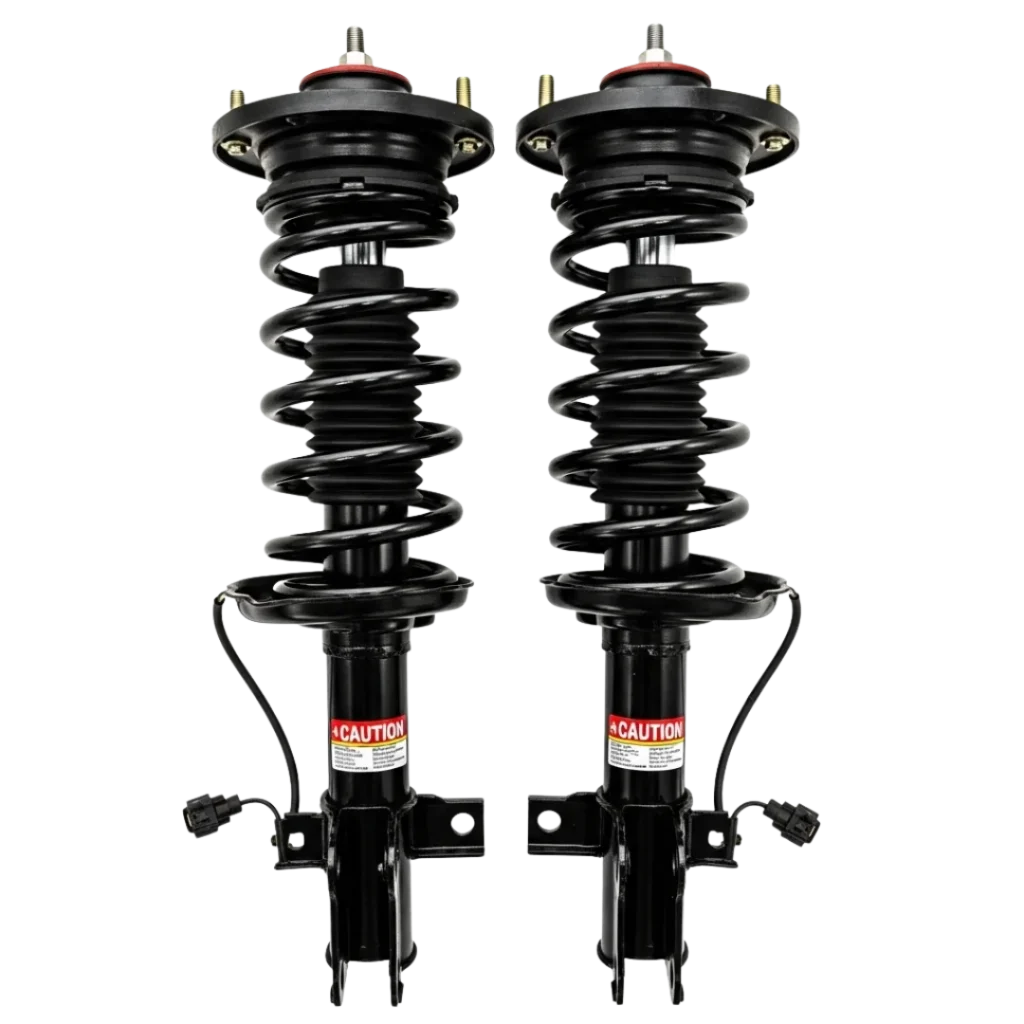
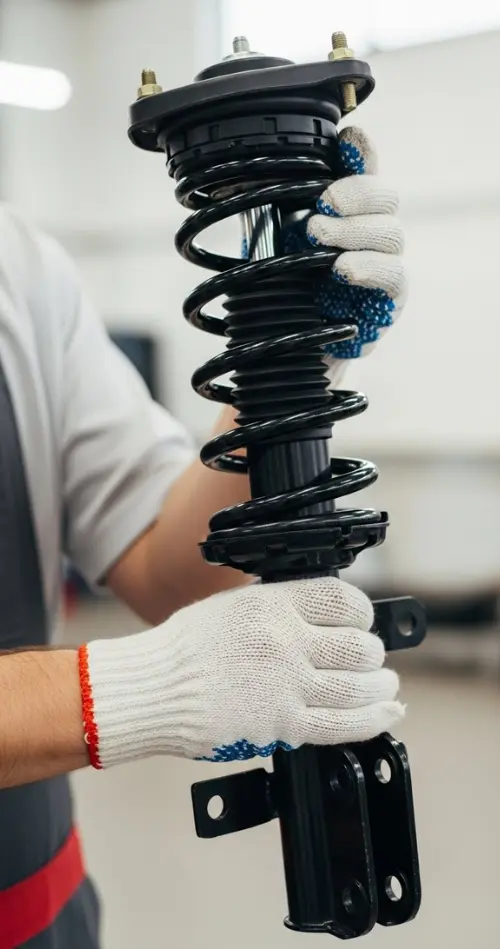
Struts and shocks are critical for absorbing bumps and keeping the tires in contact with the road. They maintain traction, control weight transfer, and stabilize the vehicle during cornering and braking.
Common problems with struts and shocks include leaks, unusual bouncing, nose-diving during braking, and uneven tire wear. Timely replacement is essential for safety and comfort.
Other Suspension Components
Other important parts of the suspension system include:
- Control arms: Maintain proper wheel alignment and allow for smooth wheel movement.
- Ball joints: Connect the suspension to the wheels and support the turning motion.
- Bushings: Reduce vibrations and prevent metal-on-metal contact.
Failure of any of these components can lead to unsafe handling and accelerated wear on other parts.
Common Land Rover Suspension Problems
Air Suspension Issues
Air suspension problems are common due to component wear, leaks, or compressor malfunctions. Signs of air suspension failure include:
- Vehicle leaning or sagging to one side
- Hissing sounds from air leaks
- Dashboard warning lights
If one air spring fails, it’s recommended to replace all four to maintain balance and prevent future failures.
Struts and Shock Failures
Struts and shocks degrade over time, causing issues such as:
- Excessive bouncing or rough rides
- Nose-diving during braking
- Uneven tire wear
- Steering instability
Failure to replace worn struts or shocks compromises vehicle safety and comfort.
Control Arm and Bushing Wear
Control arms and bushings can wear or bend due to impacts or heavy off-road use. Signs include:
- Steering issues or pulling to one side
- Unusual noises like clunking or knocking
- Misalignment of wheels
Replacing these components promptly ensures the suspension system operates correctly and prevents further damage.
Symptoms Indicating Suspension Repair is Needed
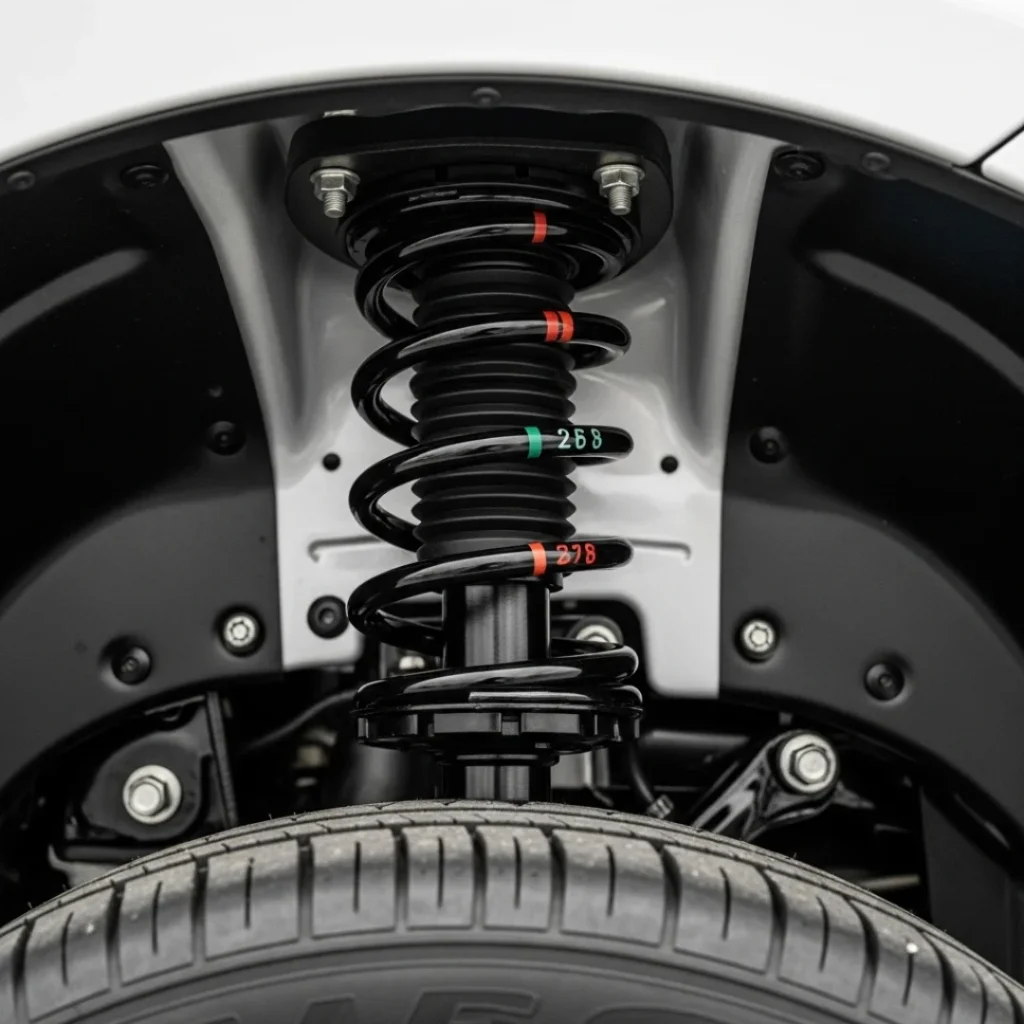
- Vehicle Leans or Sagging Ride Height: Uneven ride height is often caused by air spring or strut failure.
- Rough or Bouncy Ride: Worn shocks or struts fail to absorb road shocks effectively.
- Dashboard Warning Lights: Sensors detect issues with air suspension or height adjustment systems.
- Unusual Noises During Driving: Clunks, knocks, or creaks indicate worn bushings or loose components.
- Uneven Tire Wear: Poor suspension alignment leads to irregular tire tread wear.
Common Causes of Suspension Wear and Tear
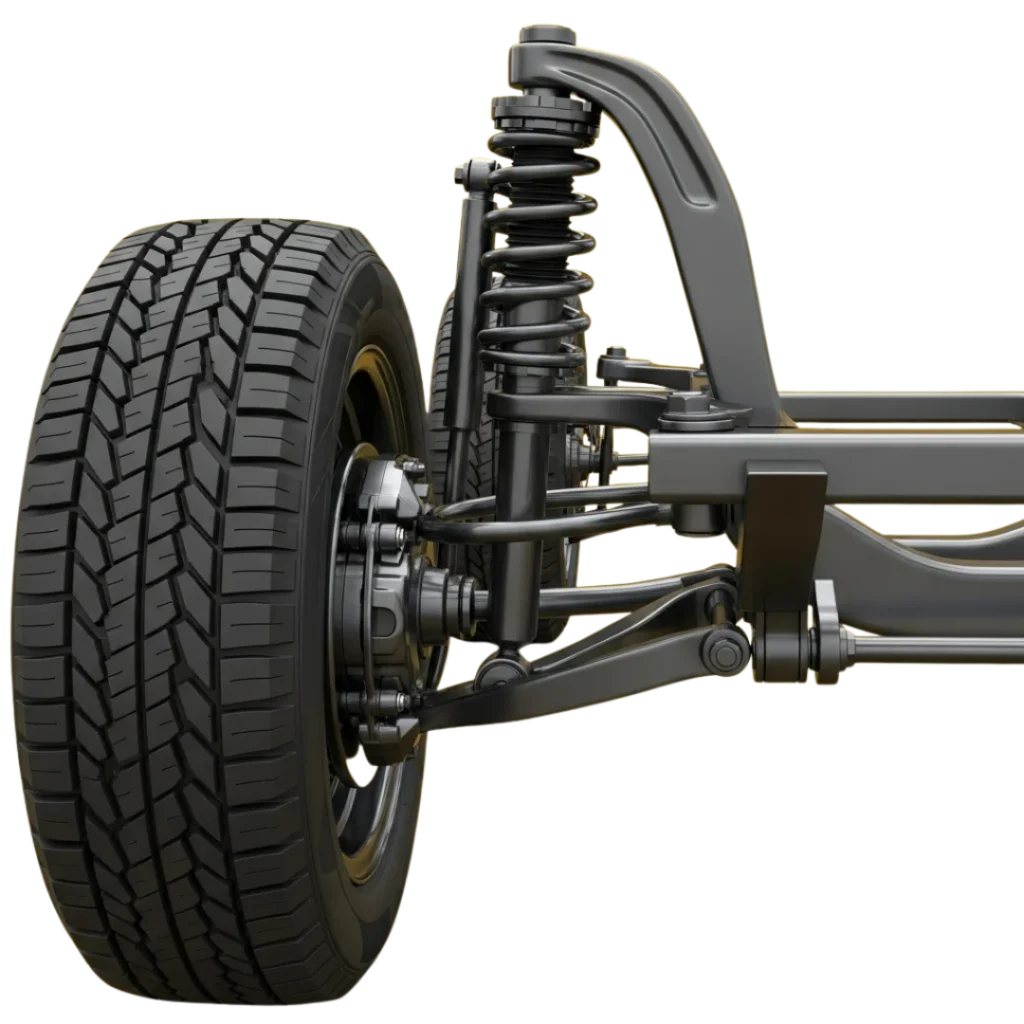
- Rough Driving Conditions: Frequent potholes, uneven roads, and off-road driving accelerate wear on suspension components.
- Sudden Stops and Quick Acceleration: Abrupt braking or rapid acceleration strains struts, shocks, and control arms.
- High Mileage and Age: Over time, normal use causes natural wear to springs, bushings, and ball joints.
- Heavy Loads: Carrying excessive weight regularly can stress the suspension system, leading to sagging or premature failure.
- Poor Maintenance: Ignoring regular inspections, lubrication, and alignment checks can worsen minor issues, turning them into costly repairs.
Risks of Driving With Faulty Suspension
Driving with a damaged suspension system in Dubai can lead to:
- Reduced vehicle control and stability
- Increased stopping distances and risk of accidents
- Accelerated wear on tires and other components
- Rough, uncomfortable rides and compromised passenger safety
Prompt repairs from trusted suspension repair centers prevent minor issues from escalating into major safety hazards.
Land Rover Models Covered for Suspension Repair
Our suspension repair services cover all Land Rover models, ensuring every vehicle receives professional care for its unique suspension system. From city driving to off-road adventures, we handle every Land Rover with expertise and precision.
- Defender: Built for rugged off-road use with coil or air-assisted suspension. Repairs typically include shocks, struts, control arms, and bushings to maintain durability and performance.
- Discovery / Discovery Sport: Features multi-link or air suspension systems for smooth handling and stability. Common repairs include air springs, struts, shocks, control arms, and bushings.
- Velar: Uses advanced multi-link or MacPherson strut suspension. Repairs focus on shocks, struts, bushings, and alignment adjustments for optimal ride comfort.
- Evoque: Compact SUVs with MacPherson strut or multi-link suspension. Repairs often involve shock absorbers, control arms, and bushings to ensure precise handling.
- Range Rover / Range Rover Sport: Equipped with sophisticated air suspension and double-wishbone setups. Repairs include air springs, shocks, struts, ride height sensors, and bushings for a smooth, luxurious ride.
Each Land Rover model has its own suspension design and requirements. We use OEM or high-quality aftermarket parts and expert techniques to ensure your vehicle maintains optimal safety, stability, and comfort.
Land Rover Suspension Types and Model Comparison
| Land Rover Model | Suspension Type | Key Features | Typical Repairs |
|---|---|---|---|
| Defender | Coil or Air-Assisted | Rugged off-road, high durability, adjustable ride height (air) | Shocks, struts, control arms, bushings |
| Discovery / Discovery Sport | Multi-Link or Air Suspension | Smooth handling, adaptive to terrain, independent wheel movement | Air springs, struts, shocks, control arms, bushings |
| Velar | Multi-Link or MacPherson Strut | Balanced ride, comfort-focused, adaptive handling | Shocks, struts, bushings, alignment adjustments |
| Evoque | MacPherson Strut or Multi-Link | Compact SUV, precise handling, city/off-road flexibility | Shock absorbers, control arms, bushings |
| Range Rover / Range Rover Sport | Air Suspension with Double-Wishbone | Luxury ride, adjustable ride height, smooth over all terrains | Air springs, shocks, struts, ride height sensors, bushings |
Land Rover Suspension Repair Options
Professional Inspection and Diagnosis
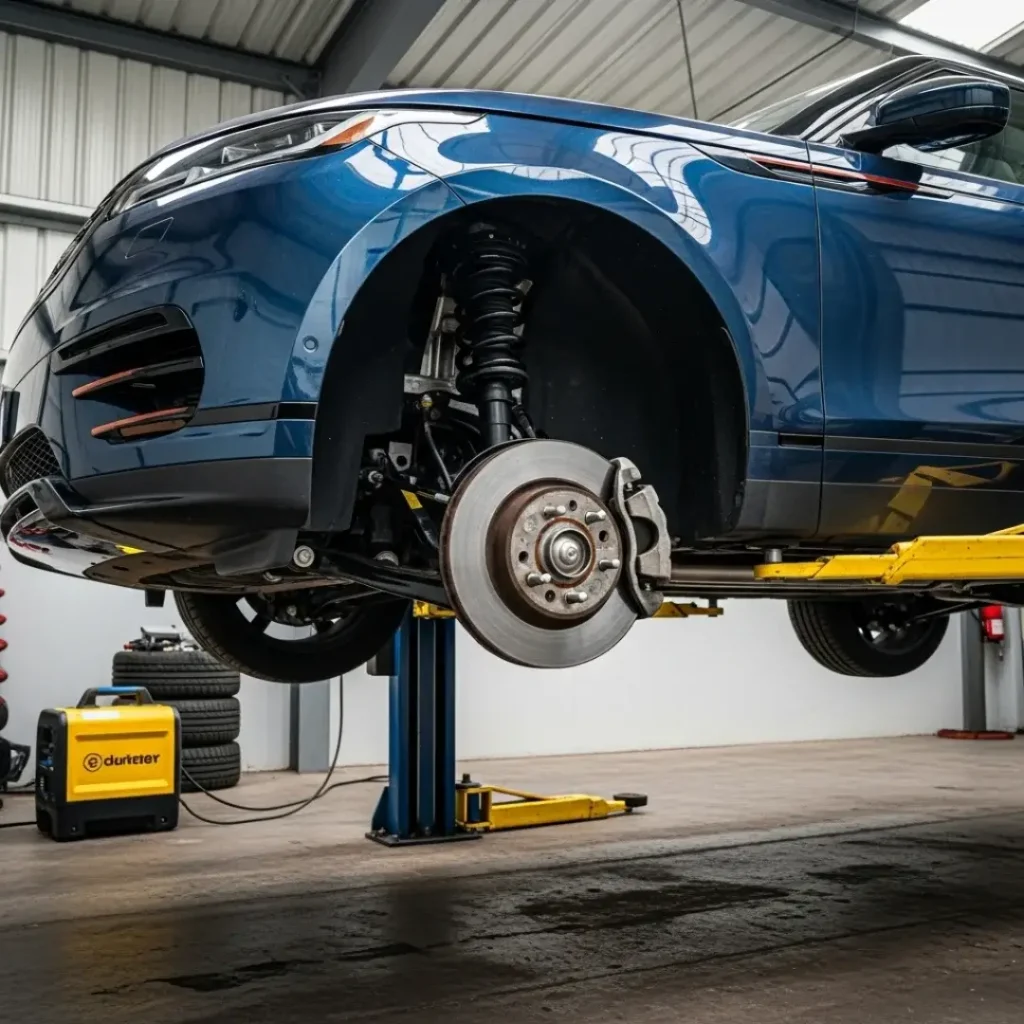
Suspension repair begins with a thorough inspection by certified Land Rover mechanics. Technicians check for worn components, leaks, and misalignments, ensuring accurate diagnosis before any repairs.
Replacement Parts Choices
- OEM Parts: High-quality, guaranteed fit and longevity, ideal for maintaining vehicle performance.
- Aftermarket Parts: Cost-effective alternatives, quality varies by manufacturer, often reliable for repairs outside the warranty period.
Air Suspension Alternatives
Some owners opt for coil spring conversion kits, replacing air suspension with traditional coil-over systems. This reduces long-term maintenance costs but changes ride characteristics. Professional installation is recommended.
Step-by-Step Suspension Repair Process
Air Suspension Repair
Diagnose leaks or compressor issues.
Replace faulty air springs (all four recommended).
Test the system to ensure proper ride height and pressure.
Struts and Shock Replacement
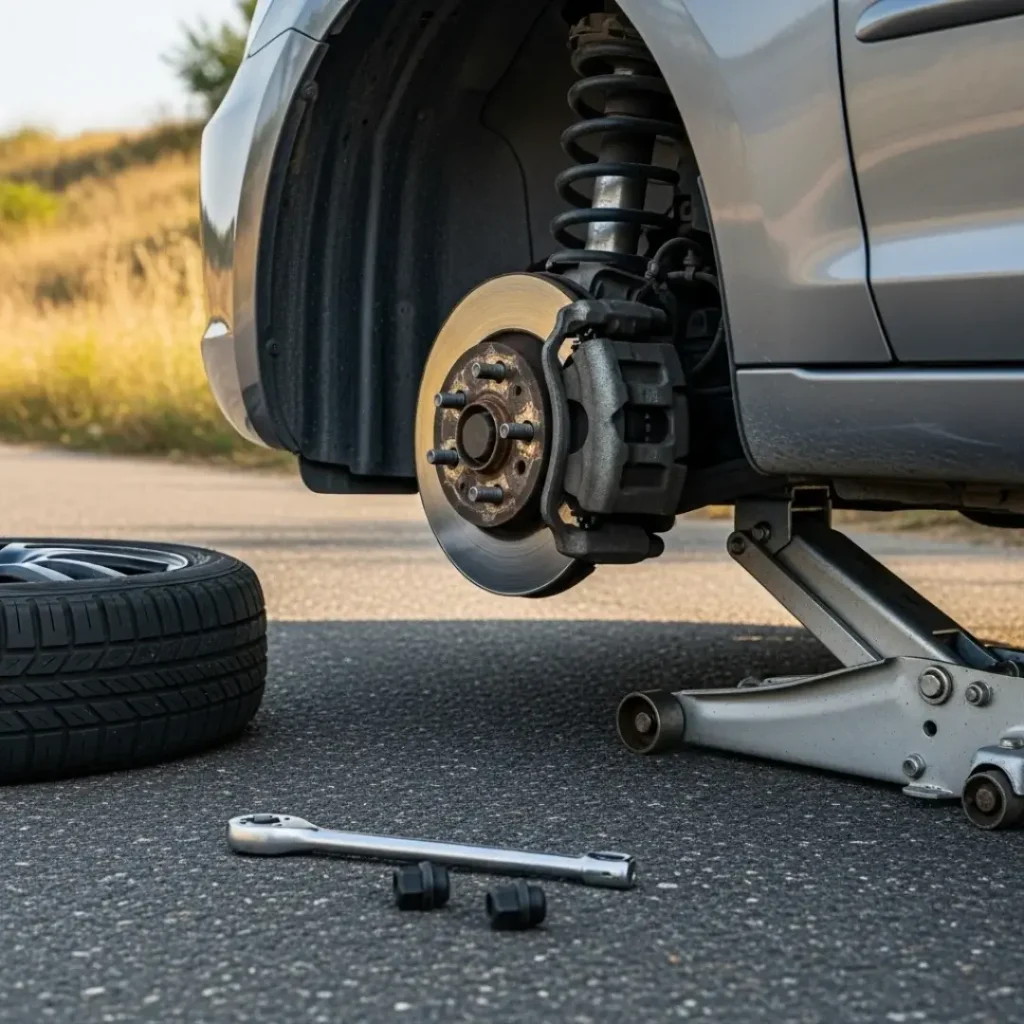
Lift the vehicle and remove the wheels.
Disconnect brake components, sway bar links, and struts/shocks.
Install new struts/shocks and reassemble.
Perform wheel alignment.
Control Arms and Bushings Repair
Inspect for wear or damage.
Replace faulty components.
Re-align wheels to ensure proper handling.
Maintenance Tips for Land Rover Suspension
- Perform regular visual inspections for leaks, cracks, or worn bushings.
- Listen for unusual noises while driving.
- Follow the manufacturer’s recommended maintenance schedule.
- Address minor issues early to prevent costly repairs.
Land Rover Suspension Repair Cost
The cost of suspension repair varies depending on multiple factors. Here’s a quick overview:
| Factor | Impact on Cost | Details |
|---|---|---|
| Type of Suspension | High | Air suspension repairs are more expensive than struts or shocks due to the complex components. |
| Extent of Damage | Medium–High | Minor repairs cost less, while complete replacements or multiple component failures increase costs. |
| Parts Used | Medium | OEM parts are costlier but guarantee fit and durability, while aftermarket parts are cheaper but vary in quality. |
| Labor Complexity | High | Repairs on advanced systems, like air suspension, take longer and require specialized skills. |
| Vehicle Model & Year | Medium | Newer models or Range Rover variants may have advanced or specialized suspension systems. |
| Location | Medium | Costs vary depending on region, labor rates, and availability of parts. |
Understanding these factors helps Land Rover owners budget and make informed decisions about repairs.
Why Choose Us for Land Rover Suspension Repair
When it comes to Land Rover suspension repair, choosing the right service center is crucial for the safety, performance, and longevity of your vehicle. Here’s why we stand out:
- Certified Technicians: Our team consists of ASE-certified mechanics with extensive experience in Land Rover suspension systems. We understand every model’s unique requirements.
- Expert Diagnostics: We use advanced diagnostic tools to accurately identify suspension issues, from air springs to struts and shocks.
- High-Quality Parts: We offer both genuine OEM parts and reliable aftermarket alternatives, ensuring durability and proper fit.
- Comprehensive Repairs: From air suspension replacements to control arm and bushing repairs, we handle all suspension components under one roof.
- Timely Service: We prioritize efficiency without compromising quality, getting your Land Rover back on the road quickly and safely.
- Customer Satisfaction: Our focus is on delivering a smooth, safe, and comfortable ride, ensuring every Land Rover owner drives with confidence.
- Maintenance Advice: Beyond repairs, we provide expert guidance on preventive maintenance to extend the life of your suspension system.
Choosing us means choosing quality, reliability, and peace of mind for your Land Rover.
Benefits of Timely Land Rover Suspension Repair
- Enhanced Ride Comfort: Absorbs bumps, potholes, and uneven surfaces efficiently, ensuring every journey feels smooth and stable. Passengers experience less jarring, making every drive enjoyable.
- Improved Vehicle Handling and Control: Keeps tires in constant contact with the road, enhancing traction, cornering stability, and precise steering response, ideal for city roads and off-road adventures.
- Increased Safety: Prevents dangerous issues like leaning, nose-diving during braking, or uneven wheel pressure, reducing the risk of accidents.
- Extended Component Lifespan: Timely repairs reduce stress on struts, shocks, control arms, and other suspension parts, preventing premature wear and misalignment.
- Better Off-Road Performance: Maintains ride height, traction, and stability on rugged terrain, ensuring optimal performance without risking damage.
- Preserves Vehicle Value: A well-maintained suspension keeps your Land Rover reliable and appealing, enhancing resale value.
Don’t wait until it’s too late, schedule your Land Rover suspension repair in Dubai today and enjoy a smoother, safer ride!
Frequently Asked Questions
How do I know if my Land Rover suspension needs repair?
Common signs include uneven ride height, excessive bouncing, unusual noises (clunking or hissing), dashboard warning lights, and poor handling or steering. Early detection can prevent costly repairs.
Can I replace a single air spring on my Land Rover?
While it is technically possible, replacing all four air springs is recommended. A single new spring may fail sooner than expected because the others are likely worn, and mismatched springs can affect ride height and vehicle balance.
What factors affect the cost of Land Rover suspension repair?
Costs depend on the type of suspension (air vs. coil), extent of damage, parts used (OEM or aftermarket), labor charges, and model of your Land Rover. Complex systems like air suspension usually cost more to repair.
How often should I service my Land Rover suspension?
Regular inspections are recommended every 20,000–30,000 miles, or sooner if you notice signs of wear. Preventive maintenance extends the life of struts, shocks, and other suspension components.
Can I drive my Land Rover with a faulty suspension?
Driving with a damaged suspension is not safe, as it affects handling, braking, stability, and tire wear. If you notice signs like leaning, bouncing, or warning lights, it’s crucial to get your vehicle inspected by a professional immediately.
What is the difference between OEM and aftermarket suspension parts?
OEM parts are made by Land Rover and match the original specifications, ensuring a perfect fit and performance. Aftermarket parts can be less expensive and still reliable, but may vary in quality and durability.
How long does a typical Land Rover suspension repair take?
Repair time depends on the type of suspension and the extent of damage. Minor repairs may take a few hours, while full air suspension replacements can take a full day or more.
What are the most common Land Rover suspension problems?
Common issues include air spring leaks, worn struts or shocks, damaged control arms, bushings, uneven ride height, and sensor malfunctions. Off-road driving and high mileage increase the likelihood of these problems.
Can regular maintenance prevent suspension failures?
Yes! Regular inspections, lubrication, and timely replacement of worn components can prevent major failures, improve ride quality, and reduce long-term repair costs.
Is it better to repair or replace a failing Land Rover suspension?
It depends on the severity of the issue. Minor wear may be repaired, but major failures, especially in air suspension systems, often require full component replacement for safety and long-term performance.