
Exceptional Car Shock Absorber Replacement
Experience elite car shock absorber replacement in Dubai. Our specialists expertly restore adaptive suspension systems, electronic damping, and hydraulic setups. We use precision calibration and genuine parts to ensure your vehicle’s superior handling performance and road safety.
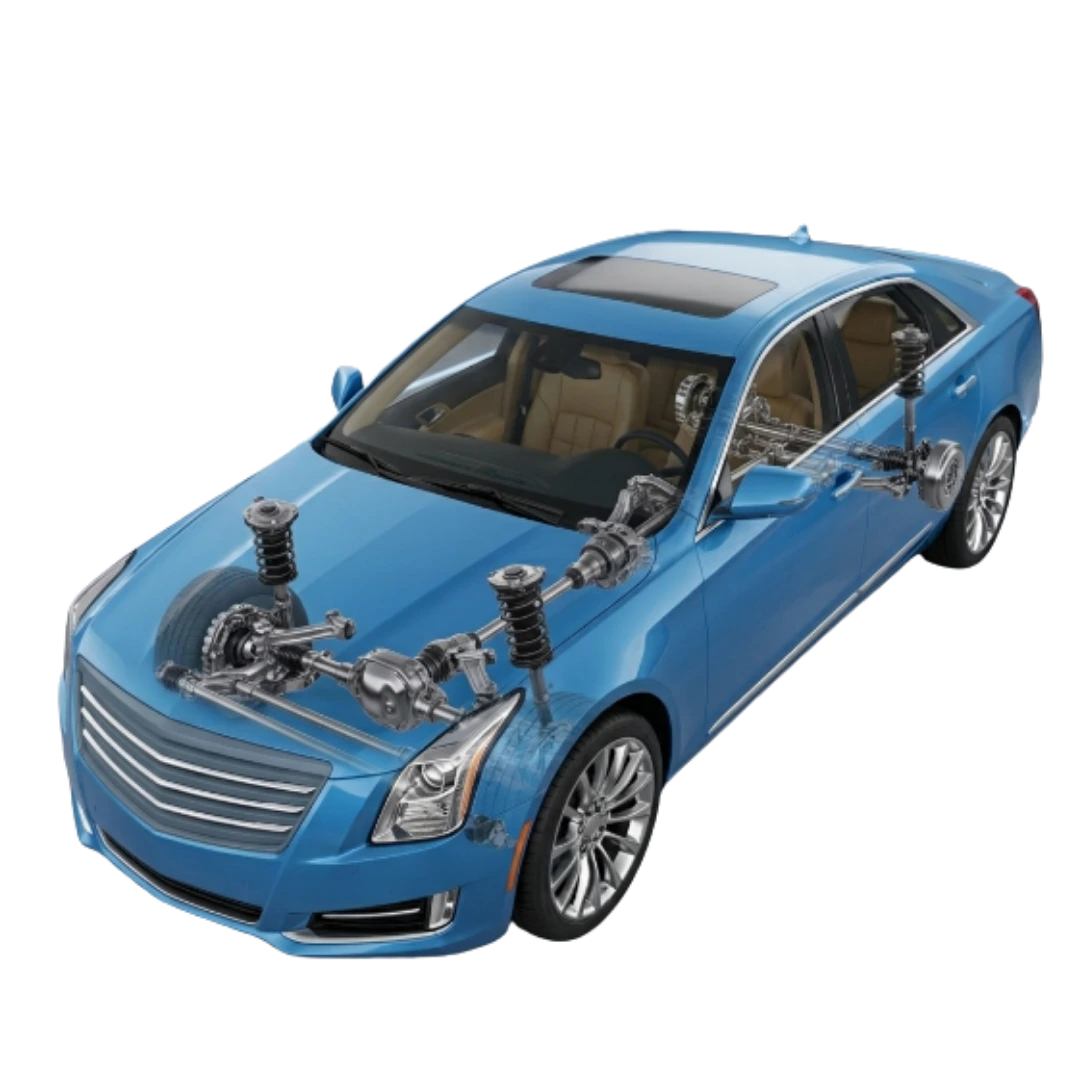
Why Choose Us for Car Shock Absorber Replacement?
Preserving the precise engineering and driving comfort of your vehicle demands specialized technical expertise. Our mechanics integrate factory-grade diagnostic procedures with premium hardware to recover the refined ride quality and stability your car was designed to provide.
Here is why car owners in Dubai trust our team:
Certified Suspension Specialists
Our technicians carry advanced certifications in chassis dynamics. They have years of direct experience with luxury, sports, and sedan architectures. Each intervention follows rigid factory specifications to ensure mechanical perfection.
Genuine OEM and Premium Aftermarket Parts
We utilize exclusively OEM-standard or superior-tier damping components. These parts are rigorously matched to your vehicle’s original suspension load, providing lasting stability and confident road-holding capability.
Advanced Diagnostic and Calibration Equipment
Modern vehicle setups often utilize adaptive technology that mandates electronic synchronization. Our workshop employs proprietary diagnostic interfaces to recalibrate suspension modules, restoring factory-accurate damping logic.
Transparent Pricing and Honest Evaluation
Prior to any service, we deliver a comprehensive diagnostic audit. You receive a clear, itemized report detailing necessary repairs and costs, ensuring a straightforward and ethical service experience.
Comprehensive Suspension Care with Service Warranty
Our evaluation process extends well beyond the shock absorbers to encompass bushings and sway bar linkages. Every replacement service is secured by a robust warranty, reflecting our commitment to quality.
Shock Absorber Repair & Replacement Services We Provide
We concentrate our technical proficiency on the core pillars of damping maintenance, designed to keep your car operating at peak performance levels. Here’s a complete list of shock absorber repair and replacement services we provide:
Hydraulic & Gas-Charged Shock Replacement
We perform exact replacements of hydraulic and nitrogen-gas dampers. We verify that each installation aligns with your model's specific valving requirements, eliminating the unstable rebound common in degraded shocks.
Electronic Shock Repair
Advanced systems utilize real-time sensor data to modulate damping force. We provide master-level maintenance for these electronic units, involving deep-system diagnostics and fault-code remediation.
Comprehensive Shock & Strut Assembly Reconditioning
We provide a complete assembly restoration. This process involves the inspection and replacement of vital secondary elements, including mounting hardware and bump stops. This eliminates intrusive noises and increases component longevity.
Advanced Four-Wheel Laser Alignment
The installation of new shock absorbers shifts your vehicle's suspension geometry. We employ high-precision laser alignment platforms to reset camber, caster, and toe-in parameters for optimal directional stability.
Suspension Bushing & Linkage Inspection
We perform a meticulous audit of end links and control arm bushings. Identifying and replacing these wear-prone components during your shock service provides an economical solution, preventing duplicate labor.
Electronic Suspension System Reset
Post-installation, our team conducts a mandatory digital synchronization. This ensures the onboard computer correctly maps the new hardware, allowing your driving modes to operate flawlessly.
How to Know If Your Car's Shock Absorbers Need Professional Replacement?
Degraded shock absorbers create noticeable changes in comfort and safety. Identifying these warning signs early is essential. Call our experts if you see any of the following signs:
Excessive Rebound
When your car bounces multiple times after hitting a bump, the internal valves have lost their control. The vehicle should settle immediately; anything more indicates a compromised unit.
Visible Fluid Seepage
Hydraulic oil leaking onto the damper housing signifies a failed seal. Because the system cannot maintain pressure without this fluid, immediate replacement is necessary.
Irregular Tire Wear
Damaged shocks cause tires to lose constant contact with the road. This leads to “cupping” or scalloping on the tread, signaling a need for suspension renewal.
Nose-Diving or Squatting
If the vehicle’s nose dips aggressively during braking or the rear settles too deeply under acceleration, the shocks are failing to stabilize weight transfer.
Atypical Suspension Noise
Metallic clunking or squeaking sounds on uneven surfaces often point to internal component failure or wear in the mounting hardware.
Increased Braking Distance
Worn shocks diminish tire grip. Research shows that vehicles with degraded damping systems may require up to 20% more distance to come to a full halt.
Major Causes of Shock Absorber Damage
Although manufacturers design suspension to exceed rigorous standards, these parts remain susceptible to fatigue from local conditions.
- Age and Service Life: Generally, damping systems reach the end of their effectiveness between 80,000 and 110,000 kilometers.
- Challenging Road Environments: Frequent encounters with deep potholes and speed bumps test the structural resilience of your suspension.
- Excessive Loading: Operating the vehicle beyond its specified weight capacity exerts extreme pressure, accelerating wear.
- Thermal Stress and Corrosion: The unique environment in Dubai, with intense heat and humidity, promotes corrosion on shock bodies.
- Internal Seal Breakdown: Over time, internal rubber seals lose their integrity, leading to fluid loss.
We advise Suspension Repair Dubai experts to perform a professional evaluation every 15,000 to 20,000 kilometers.
Types of Shock Absorbers We Use in Vehicles
These units rely on pressurized oil to manage travel. They are engineered to deliver reliable performance for daily commuting.
By integrating nitrogen gas, these shocks neutralize the risk of fluid aeration. The result is a more immediate response time.
This technology uses real-time sensors to adjust stiffness. These systems require our specialized digital calibration interfaces to ensure factory-specified accuracy.
Benefits of Replacing Worn Shock Absorbers
Fresh dampers expertly absorb road irregularities and silence intrusive cabin vibrations, ensuring a smooth and luxurious driving experience.
Optimized shock performance keeps your tires firmly planted against the road during cornering, which significantly minimizes body roll and improves vehicle agility.
A properly balanced suspension system prevents irregular tread patterns, which can effectively extend the functional lifespan of your tires by up to 30%.
Installing new shocks prevents harsh impact forces from transferring through the chassis, thereby protecting sensitive suspension joints and reducing the frequency of future repairs.
Car Shock Absorber Replacement Process (Step-by-Step)
Our technicians perform a thorough inspection of the entire chassis to check for hydraulic fluid seepage, surface corrosion, and any structural irregularities.
We utilize professional-grade hydraulic lift systems to elevate your vehicle, ensuring a stable and safe platform for all precision work.
The wheels are carefully removed from the vehicle, providing our technicians with clear and unobstructed access to all critical suspension mounting points.
We utilize calibrated torque instrumentation to loosen all upper and lower bolts, ensuring that no damage occurs to the surrounding chassis threads or connectors.
The old, worn-out shock absorber units are safely removed, employing careful handling techniques to protect adjacent sensors and brake lines.
We install high-quality new units, ensuring every bolt and fastener is tightened precisely to the manufacturer’s specific torque requirements.
Once installed, the wheels are professionally reattached, and all safety fasteners undergo a final multi-point verification check to guarantee mechanical security.
We conclude the process by conducting a professional four-wheel laser alignment and performing any necessary electronic module synchronization to restore factory damping logic.
Car Shock Absorber Replacement Cost – Key Factors
| Cost Factor | Description |
|---|---|
| Vehicle Model | Luxury vehicles with adaptive dynamics cost more to service. |
| Shock Type | Electronic dampers carry higher parts costs than standard units. |
| Position | Front replacement often involves more labor. |
| Labor Rates | Depends on technician's expertise and specialized tools. |
| Additional Repairs | Worn mounts or bushings may increase the scope. |
Maintenance Tips After Shock Absorber Replacement
We recommend that you schedule a professional suspension inspection every 10,000 to 15,000 kilometers to ensure your system continues to perform at its peak.
We recommend that you schedule a professional suspension inspection every 10,000 to 15,000 kilometers to ensure your system continues to perform at its peak.
Adhering strictly to your vehicle’s specified weight capacity is essential to prevent unnecessary stress and premature fatigue on your new shock absorbers.
Even if you do not notice immediate handling issues, we advise performing annual wheel alignments to guarantee that road loads are distributed evenly across all four corners.
Regularly rinsing the chassis and wheel wells helps to clear away accumulated road salts, grit, and debris that can compromise seal integrity and lead to oxidation.
Why Professional Replacement Matters?
Suspension architecture is deeply integrated with stability modules. Our professionals guarantee success through strict torque compliance, precise software calibration, and holistic system audits. We ensure your vehicle maintains its peak performance, supported by a certified warranty.
Frequently Asked Questions
How do I know if my car needs new shocks?
Look for excessive bouncing, fluid leaks, uneven tire wear, or clunking sounds. If you notice these symptoms, get your suspension inspected immediately. Identifying these signs early prevents secondary damage to your steering system and chassis.
How often should I replace shocks?
Generally between 80,000 and 110,000 kilometers. However, your specific driving habits and the condition of the local roads may require you to replace them sooner to maintain safety.
What happens if I delay repairs?
It increases braking distance by up to 20% and accelerates wear on other components. Leaving damaged shocks in place also puts unnecessary strain on your vehicle’s tires, leading to premature and costly replacement.
Are struts and shocks different?
Yes. Shocks dampen movement, while struts are load-bearing components. Understanding this distinction is helpful because struts often require more complex labor and additional hardware during the replacement process.
Does my car have adaptive suspension?
Many modern vehicles feature systems that adjust damping in milliseconds. You can check your owner’s manual or have our team scan your car’s computer to see if your model is equipped with this sophisticated technology.
Can I use aftermarket parts?
Yes, provided they meet the exact manufacturer specifications. We always recommend choosing high-quality, reputable brands to ensure that your car retains its intended handling and safety characteristics.
How long does replacement take?
Usually 2 to 5 hours, depending on the system complexity. Some advanced systems with electronic modules may require a bit more time for precise calibration after the physical installation is complete.
Why is alignment necessary?
Removing shocks alters geometry; alignment ensures stability and even tire wear. This final technical step is vital to ensure your vehicle tracks straight on the road and maintains optimal tire contact.
Should I replace all four at once?
We recommend replacing them in axle pairs to maintain balanced handling. Swapping both the left and right sides simultaneously ensures that the suspension behavior remains uniform and predictable during sudden maneuvers.
What causes premature failure?
Rough road conditions, overloading, and environmental heat are the primary factors in Dubai. Consistent exposure to these harsh elements can cause internal seals to lose their elasticity and compromise the overall efficiency of your damping system.