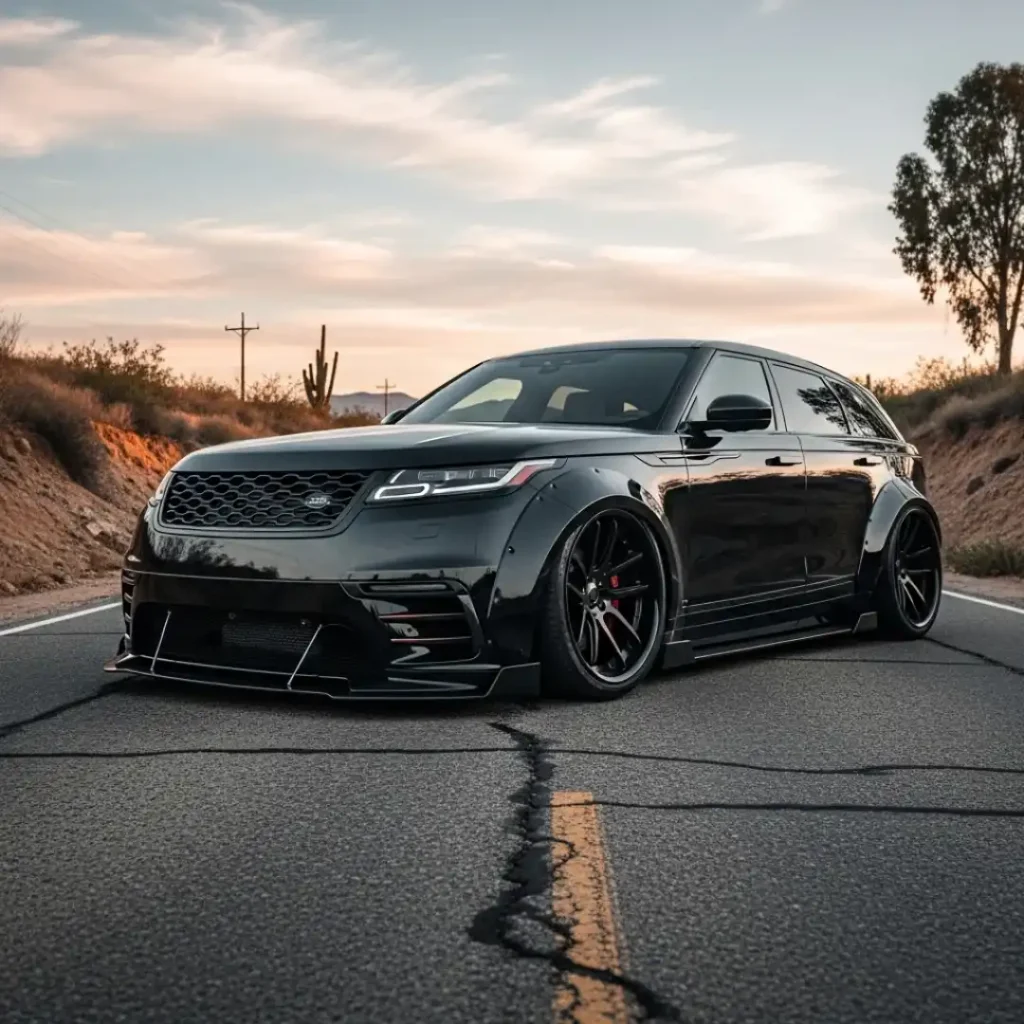
Range Rover Suspension Repair: A Complete Guide
Range Rovers are known worldwide for their luxury, comfort, and performance. A key element that makes these vehicles ride smoothly and handle precisely is their suspension system. The suspension is responsible for absorbing road bumps, maintaining vehicle stability, and ensuring a comfortable driving experience, whether you’re on city roads, highways, or off-road terrain.
Range Rovers use advanced suspension technology, including both air suspension and traditional coil spring setups, depending on the model and year. While these systems are engineered for comfort and durability, they can experience wear and tear over time, leading to issues like uneven ride height, bouncy rides, or handling problems. Regular inspection, maintenance, and timely repair at a trusted suspension repair center are essential to keep your Range Rover safe, smooth, and enjoyable to drive.
Common Range Rover Suspension Problems
Warning Signs of Suspension Failure
Range Rover owners should be vigilant for early warning signs, which include:
- Vehicle leaning or sagging to one side, especially in the rear
- Nose-diving when braking, caused by worn air struts
- Excessively bouncy ride on even roads
- Noisy or continuously running air compressor, indicating a leak
- Increased stopping distance, as the suspension absorbs braking forces
Diagnostic Methods
- Bounce Test: Apply pressure to each corner of your vehicle. If it slowly returns to normal or bounces repeatedly, the suspension is likely worn.
- OBD-II Scanner: Detects fault codes for air suspension components, helping pinpoint issues before visible signs appear.
Range Rover Air Suspension
Range Rover air suspension is an advanced system designed to provide maximum comfort, adjustable ride height, and superior handling across different terrains. It uses air springs, a compressor, ride height sensors, and control valves to maintain the vehicle’s balance and smooth ride quality. While air suspension offers luxury and versatility, it is more complex than traditional coil spring systems and can develop faults over time.
Key Features
- Adjustable Ride Height: Allows the vehicle to raise for off-road clearance or lower for better highway stability.
- Automatic Leveling: Sensors detect uneven weight distribution and adjust each corner of the vehicle.
- Enhanced Comfort: Absorbs bumps, potholes, and rough terrain for a smooth ride.
Common Issues
- Leaking Air Springs: Rubber air bags can crack or puncture over time, causing the vehicle to sag.
- Faulty Air Compressor: Continuous or loud running can indicate a failing compressor.
- Sensor or Valve Block Failure: Can lead to uneven ride height or warning lights on the dashboard.
- Nose Diving or Rear Sag: Occurs during braking or loading if the air suspension is compromised.
Range Rover Air Suspension Components
| Component | Function | Common Issues |
|---|---|---|
| Air Springs | Adjust ride height and absorb bumps | Leaks, cracking, punctures |
| Air Compressor | Pressurizes air springs | Overheating, loud operation, failure |
| Ride Height Sensors | Measure wheel height to maintain balance | Faulty readings, uneven ride |
| Valve Blocks | Control air distribution | Malfunctions, uneven suspension behavior |
The air suspension system is a delicate balance of electronics and hydraulics. Even a single faulty sensor or valve can disrupt ride comfort and handling.
Repair Options for Range Rover Suspension
Repairing Existing Air Suspension
Repairing the factory air suspension is the most common approach, especially for owners who want to maintain the original luxury feel. Components commonly replaced include:
- Air springs
- Compressors
- Ride height sensors
- Valve blocks
Pros:
- Maintains the original adjustable ride height
- Keeps the luxury ride experience intact
Cons:
- Expensive OEM parts
- Labor-intensive repairs
- Likely future failures if other components have begun to wear
Converting to Coil Spring Suspension
A coil spring conversion replaces the air suspension with solid steel struts and coil springs. This solution eliminates complex electronics and reduces future maintenance.
Pros:
- More reliable long-term
- Lower overall maintenance costs
- Handles off-road and heavy loads better
Cons:
- Loss of adjustable ride height
- Slight change in ride comfort compared to factory air suspension
How Range Rover Suspension is Replaced
Repairing or replacing suspension involves careful handling:
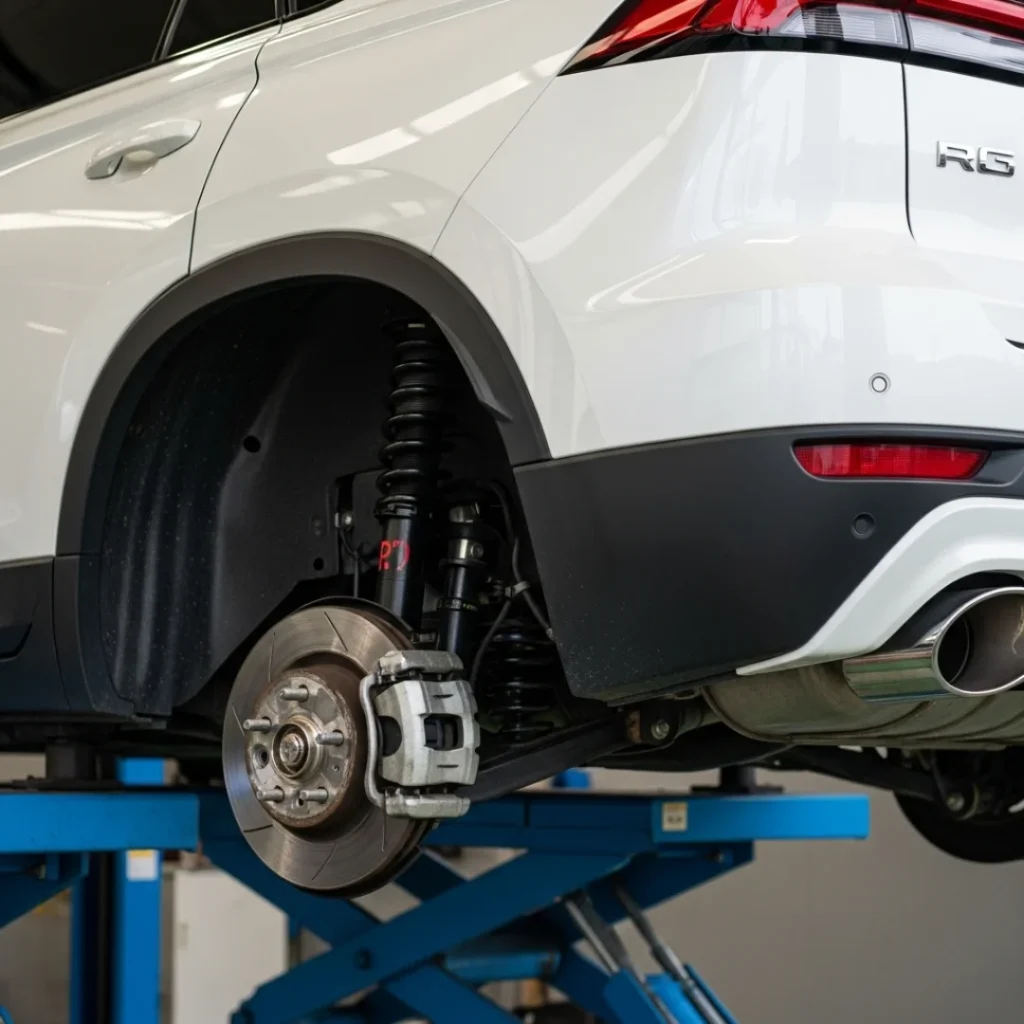
- The vehicle is safely lifted, and the wheels are removed to access the struts and shocks.
- Worn air springs, struts, and mounts are disconnected.
- Ride height sensors and valve blocks are removed if repairing the air system.
- New OEM components or coil spring conversion kits are installed.
- The suspension is tested to ensure proper ride height, handling, and noise-free operation.
- Wheel alignment is adjusted to restore precise handling and tyre wear patterns.
Understanding your model helps technicians diagnose issues faster and recommend the most effective repair solution.
Suspension Issues in Different Range Rover Models
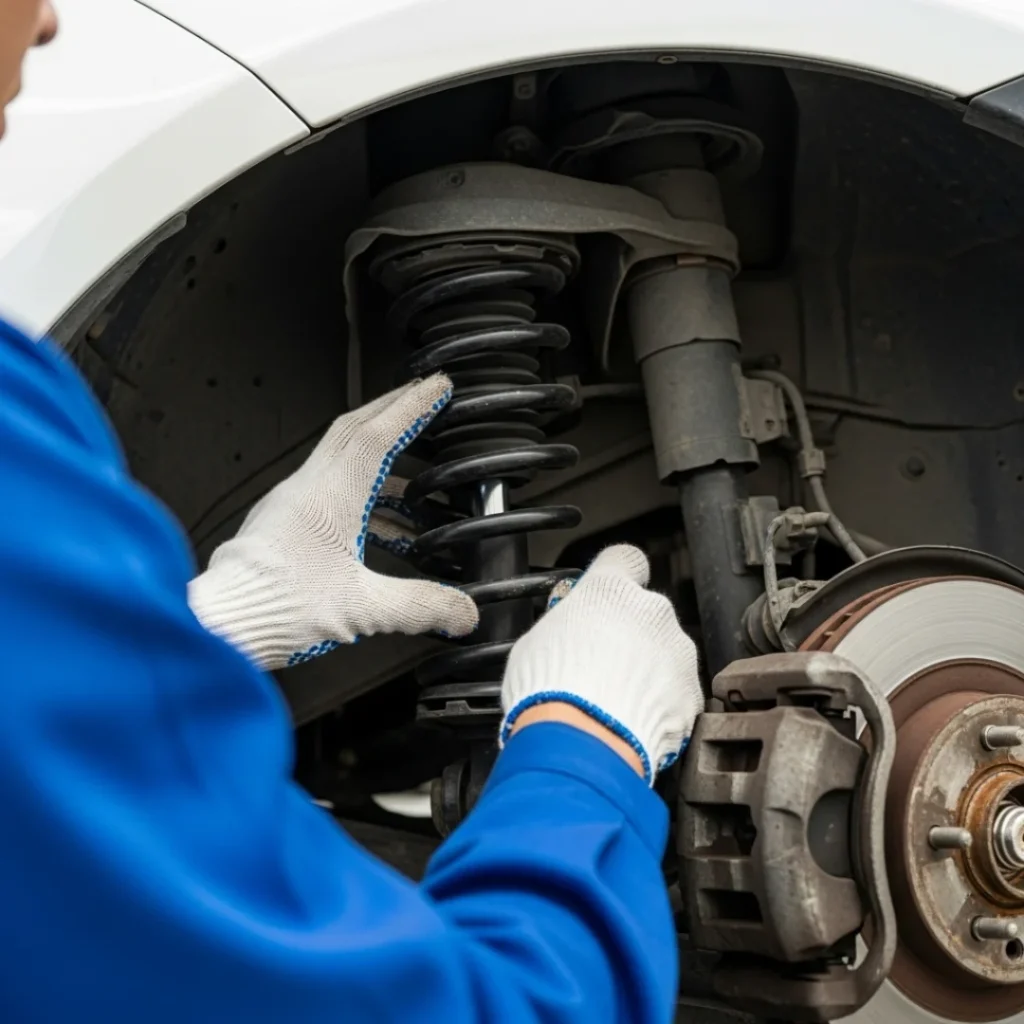
Different Range Rover models have slightly varying suspension setups, which can lead to model-specific issues:
- Range Rover Sport (L494): Common rear sag and air spring leaks; nose diving when braking
- Range Rover Vogue: Compressor failures and uneven rear ride height
- Range Rover Velar: Faulty sensors or valve blocks are causing an uneven ride and swaying
- Classic Range Rover: Worn strut mounts and coil spring fatigue in older models
Understanding your model helps technicians diagnose issues faster and recommend the most effective repair solution.
Where to Get Range Rover Suspension Repairs
Dealerships
- Genuine OEM parts and expertise for all Range Rover models
- High-quality repair, but at a premium cost
- Ideal for owners wanting to maintain factory ride characteristics
Independent Repair Shops
- Often more cost-effective than dealerships
- Can install aftermarket components or coil spring conversion kits
- Faster service with skilled technicians familiar with Range Rover systems
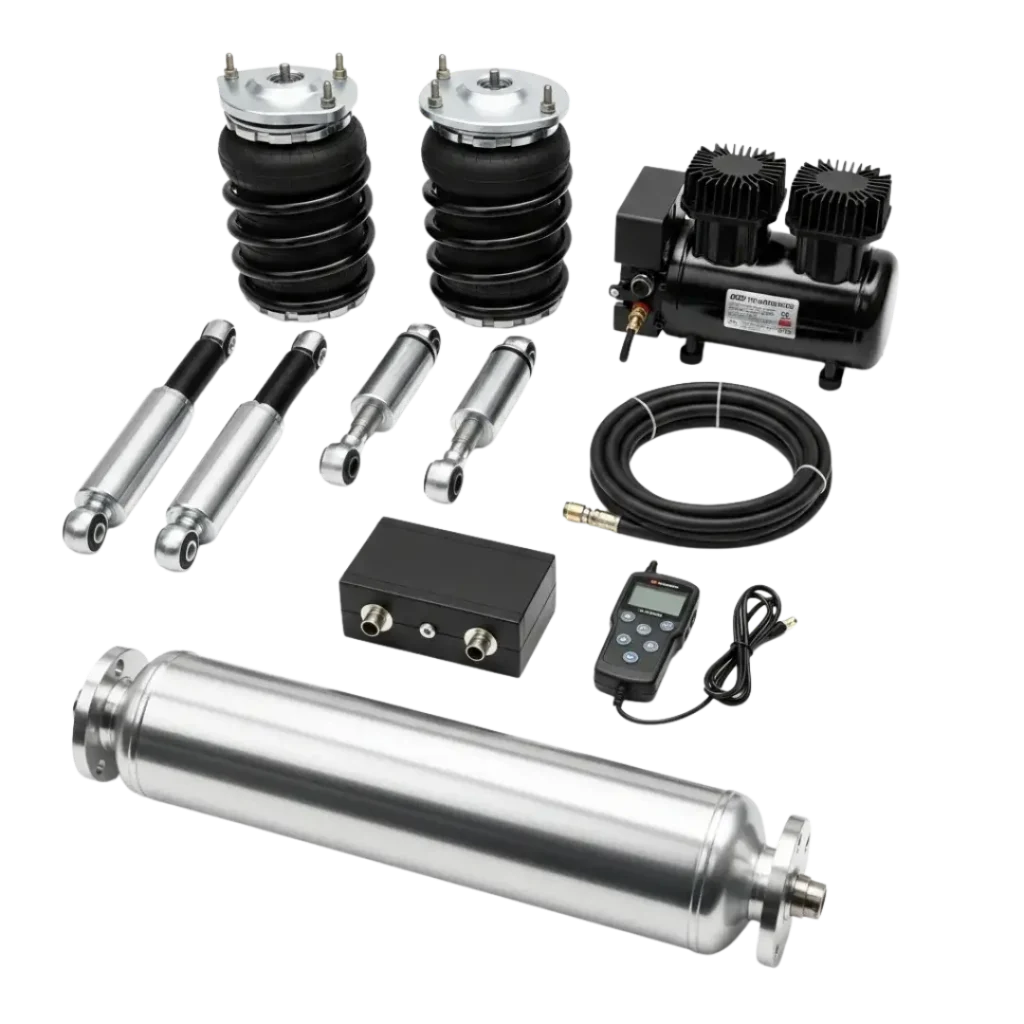
Range Rover Suspension Repair Cost Overview
The cost of repairing or replacing a Range Rover suspension varies widely depending on the type of repair, parts quality, labor, and vehicle model. Air suspension repairs tend to be the most expensive due to the complexity of the system and the high cost of OEM components. Labor is also a significant factor since replacing air springs, compressors, and sensors requires specialized skills and more hours.
For a more cost-effective long-term solution, some owners opt for a coil spring conversion, which eliminates most electronic components and reduces the chance of future failures. Other factors affecting cost include the severity of the issue, whether multiple components need replacement, and the choice between OEM and aftermarket parts.
| Factor | How it Affects Cost |
|---|---|
| Type of Repair | OEM air suspension repair is costlier than a coil spring conversion |
| Labor | Air suspension repair takes more hours, increasing labor cost |
| Parts | Genuine OEM vs aftermarket or conversion kits |
| Vehicle Models | Sport, Vogue, Velar, or Classic have different setups |
| Severity | Single air spring replacement vs full system replacement |
Why Regular Range Rover Suspension Maintenance Matters
Maintaining your Range Rover suspension is essential to prevent costly repairs:
- Inspect air springs, compressors, and sensors every 12 months
- Ensure tire pressure and wheel alignment are correct
- Avoid overloading the vehicle
- Replace worn components promptly to prevent cascading failures
Safety Risks of Driving with a Faulty Suspension
Ignoring suspension issues can lead to serious safety risks:
- Reduced handling and stability
- Increased stopping distance
- Potential for cascading suspension damage
- Higher risk of accidents or rollovers
Prompt repairs and diagnostics at a trusted Range Rover Suspension repair center are essential to keep your Range Rover safe on the road.
OEM vs Aftermarket Suspension Parts: Pros and Cons
| Type | Pros | Cons |
|---|---|---|
| OEM | Guaranteed fit, maintains original ride | High cost, expensive future replacements |
| Aftermarket | Lower cost, sometimes higher durability | Quality varies; it may have a limited warranty |
| Coil Spring Conversion Kit | Reliable, cost-effective long-term | Loss of adjustable ride height, minor change in ride feel |
Suspension Repair Warranties and Reliability
- OEM parts often include manufacturer warranties
- Aftermarket components may offer a limited warranty
- Coil spring conversion kits frequently provide lifetime warranties on springs and 1-year coverage on the kit
- Choosing reputable providers ensures long-term performance and reliability
Maintaining Your Range Rover Suspension
Maintenance Tips
- Inspect all suspension components regularly
- Keep the suspension clean and free from debris
- Replace worn components promptly to prevent further damage
- Use genuine or high-quality aftermarket parts for the best performance
Range Rover Models We Specialize In
We specialize in suspension repair, maintenance, and upgrades for all Range Rover models, from classic vehicles to the latest Sport and Velar editions. Our team uses specialized tools, OEM-quality parts, and trusted aftermarket solutions to ensure every model performs at its best, delivering the smooth, luxurious ride you expect.
| Model | Year Range | Suspension Type | Services Provided |
|---|---|---|---|
| Classic | 1970s–1990s | Coil / Early Air | Coil/air suspension repair, upgrades, and maintenance |
| P38 | 1994–2002 | Coil / Air | Air spring repair, compressor replacement, diagnostics |
| L322 | L322 2002–2012 | Air | Air suspension repair, coil spring upgrades, diagnostics |
| L405 | 2012–2022 | Air | Advanced air suspension repair, component replacement |
| Sport L320 | 2005–2013 | Air | Air suspension maintenance, coil conversion, and aftermarket upgrades |
| Sport L494 | 2014–2022 | Air | Full air suspension repair, aftermarket components, coil conversion |
| Sport L460 | 2022–Present | Air | Latest air suspension diagnostics and repairs |
| Sport L494 | 2014–2022 | Air | Full air suspension repair, aftermarket components, coil conversion |
| Velar | 2017–Present | Air / Coil | Air and coil suspension repair, upgrades, and diagnostics |
| Evoque | 2011–Present | Air / Coil | Compact SUV suspension service, coil/air repairs, upgrades |
Why Choose Us for Your Range Rover Suspension Repair
When it comes to repairing or upgrading your Range Rover suspension, choosing the right service provider is critical. Here’s why our workshop stands out:
Expert Technicians
Our team specializes in Range Rover vehicles and is trained to handle the advanced suspension systems, including air suspension and coil spring conversions. We understand every model, from the Sport and Vogue to the Velar and classic Range Rovers.
High-Quality Parts
We use genuine OEM components or reliable aftermarket and conversion kits to ensure longevity, performance, and safety. Every part is carefully selected to match the specifications of your vehicle.
Comprehensive Diagnostics
We employ the latest diagnostic tools and techniques to quickly identify suspension issues, preventing unnecessary repairs and saving you both time and money.
Transparent Cost and Service
We provide clear estimates and explain all cost factors, from labour to parts, so there are no surprises. Our solutions are tailored to your vehicle’s condition and your budget.
Long-Term Reliability
Whether you repair your air suspension or convert to coil springs, we ensure your Range Rover remains safe, smooth, and reliable. Every repair comes with warranties on parts and labor for peace of mind.
Customer-Focused Approach
We prioritize your satisfaction, offering friendly service, quick turnaround times, and expert advice to help you make informed decisions about your Range Rover suspension.
Benefits of Range Rover Suspension Repair
Proper suspension repair or upgrade offers numerous advantages for your Range Rover, enhancing performance, safety, and comfort.
H3: Improved Ride Comfort
A well-maintained suspension absorbs road bumps and uneven terrain, providing a smooth, luxurious ride typical of a Range Rover.
H3: Enhanced Vehicle Handling and Stability
Repairing or upgrading your suspension ensures your vehicle handles corners, curves, and braking more safely, reducing sway and nose-diving.
H3: Increased Safety
Faulty suspension can compromise braking distance, traction, and overall control. Timely repairs help prevent accidents and ensure the vehicle responds correctly in emergencies.
H3: Longevity of Suspension Components
Regular repairs prevent further damage to air springs, compressors, sensors, and struts, saving on more expensive replacements in the future.
H3: Cost-Effective in the Long Run
Whether you repair your air suspension or convert to coil springs, addressing issues early reduces the likelihood of repeated costly failures.
H3: Preserves Vehicle Value
A Range Rover with a healthy suspension system retains its resale value better and continues to provide the premium driving experience owners expect.
Frequently Asked Questions
What Are the Common Signs of Range Rover Suspension Problems?
Common signs include vehicle sagging, nose diving during braking, bouncy rides, uneven handling, and noisy or continuously running air compressors. Early detection can prevent costly repairs.
How Long Does a Range Rover Air Suspension Last?
On average, air suspension components last 7–10 years, depending on driving conditions, vehicle load, and maintenance frequency. Regular inspections help extend their lifespan.
Can I Drive with a Faulty Range Rover Suspension?
Driving with a damaged suspension is not recommended. It can worsen the problem, reduce vehicle stability, and increase stopping distance, creating serious safety risks.
What Is the Cost of Range Rover Suspension Repair?
Costs vary based on the type of repair (OEM air suspension vs coil spring conversion), labor, vehicle model, and severity of the issue. Early repairs and aftermarket parts can reduce expenses.
Should I Repair or Convert My Range Rover Suspension?
- Repair: Maintains original ride and adjustable features, but can be expensive and prone to future failures.
- Conversion: Replaces air suspension with coil springs for a reliable, cost-effective long-term solution.
How Often Should I Inspect My Range Rover Suspension?
It’s recommended to inspect your suspension at least once a year, or sooner if you notice warning signs like sagging, uneven ride height, or abnormal noises.
Are Aftermarket Range Rover Suspension Parts Reliable?
Yes, many reputable aftermarket brands provide components that match or even exceed OEM quality. Always choose trusted brands and consult a professional for installation.
Can I Replace My Range Rover Suspension Myself?
DIY replacement is possible for coil springs if you have experience and proper tools. Air suspension repair or component replacement is best left to specialized technicians due to system complexity.