
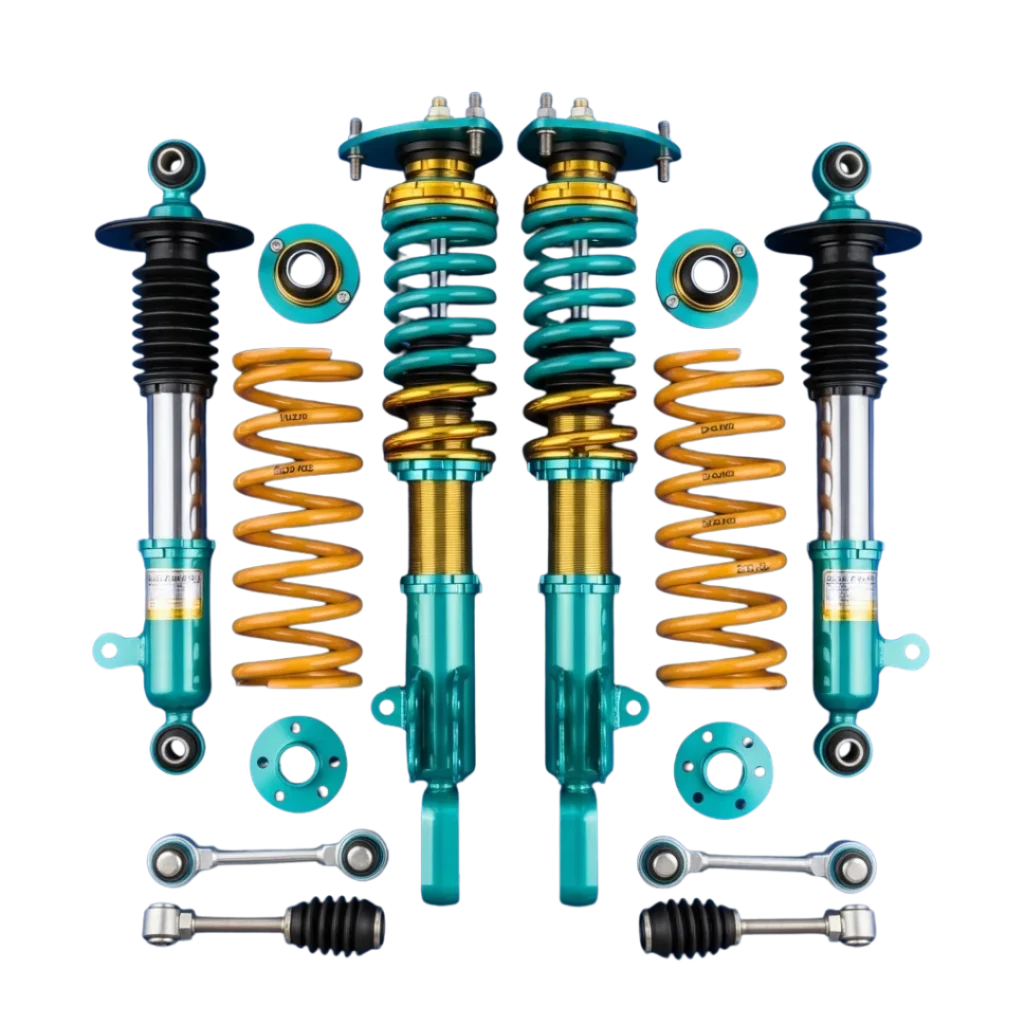
Lincoln Shock Absorber Replacement
Lincoln vehicles are celebrated worldwide for their refined comfort, elegant ride quality, and premium engineering. Whether you drive a Lincoln MKZ, MKC, Nautilus, Aviator, or Navigator, one crucial component that ensures your drive remains smooth and controlled, the shock absorbers.
Shock absorbers silently do the heavy lifting every time your vehicle hits a bump or corner. They stabilize the suspension, keep your tires in contact with the road, and protect your luxury ride from vibrations. But like all components, they wear out with time and usage.
This comprehensive guide explains everything about Lincoln shock absorber replacement, including causes, symptoms, benefits, the replacement process, cost factors, and expert maintenance advice.
What Are Shock Absorbers and How Do They Work?
A shock absorber is a hydraulic or gas-filled device designed to absorb and dissipate the energy created when your vehicle encounters uneven surfaces.
In a Lincoln, the shock absorber works hand-in-hand with springs, control arms, and struts to ensure a perfectly balanced drive. It converts kinetic energy from suspension movement into heat via hydraulic fluid, helping prevent the car from bouncing after hitting bumps.
In high-end Lincoln models like the Navigator and Aviator, this system is often part of an adaptive air suspension that automatically adjusts damping based on road conditions, speed, and driving mode.
In simpler terms, the shock absorber:
- Keeps the tires in contact with the road for better grip.
- Reduces vibrations and road noise.
- Prevents excessive body roll during turns.
- Ensures a comfortable, controlled, and safe ride.
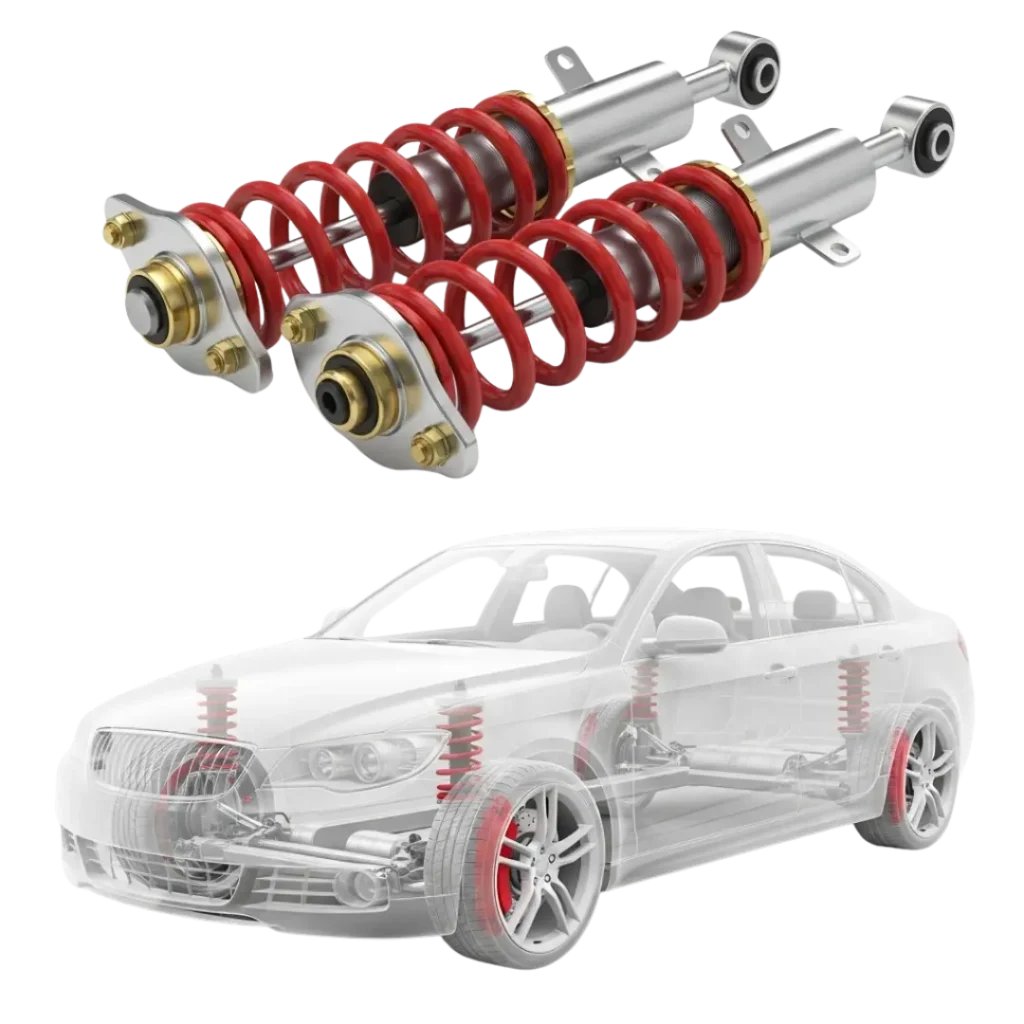
How to Know If Your Lincoln Shock Absorbers Are Bad
Worn or damaged shock absorbers can dramatically affect comfort, safety, and tire life. Here are the most common symptoms of failing shocks:
Rough or Bouncy Ride
If your Lincoln feels floaty, sways excessively, or bounces multiple times after hitting a bump, the shocks are no longer controlling suspension movement effectively.
Fluid Leaks
Oil or grease on the shock absorber body indicates seal failure — a clear sign that replacement is needed.
Uneven Tire Wear
Worn shocks cause inconsistent tire contact, leading to cupped or scalloped tire wear patterns.
Nose-Diving or Squatting
The front end dives when braking, or the rear squats under acceleration. This means your shocks are unable to stabilize the chassis.
Strange Noises
Clunking, rattling, or squeaking noises while driving over bumps or turning corners often point to worn shock mounts or internal damage.
Longer Braking Distance
A compromised suspension system increases stopping distance because of poor tire contact and reduced stability.
If you notice any combination of these symptoms, it’s time for an inspection at a trusted shocks replacement center — delaying replacement can damage tires, struts, and even control arms.
Major Causes of Shock Absorber Damage
Even premium vehicles like Lincoln aren’t immune to wear and tear. Some of the main causes include:
- Age & Mileage: Most shocks wear out between 50,000–100,000 miles, depending on road conditions and usage.
- Harsh Driving Conditions: Rough or unpaved roads, potholes, and speed bumps accelerate internal wear.
- Overloading or Towing: Carrying heavy loads puts extra stress on shocks and struts.
- Corrosion & Weather: Moisture, salt, and debris can cause rust and leaks.
- Seal Damage: Over time, seals weaken and allow hydraulic fluid to escape.
- Improper Maintenance: Ignoring routine suspension checks can lead to unnoticed damage.
Regular inspections, especially before long drives, can prevent small issues from turning into costly replacements.
Types of Shock Absorbers Used in Lincoln Vehicles
Lincoln integrates different types of shock absorbers across its model range, depending on performance and luxury levels.
Hydraulic (Oil-Filled) Shocks
These are the traditional shocks found in many older or base models. They use hydraulic oil to dampen vibrations. Smooth ride and durability. Ideal for everyday driving conditions.
Gas-Charged Shocks
Modern Lincolns often feature gas-charged shocks that prevent oil foaming and improve responsiveness. Quicker damping action. Better control on highways and uneven roads.
Air Shocks (Adaptive Air Suspension)
Found in premium Lincoln models like the Navigator, Aviator, and Nautilus Black Label, air shocks automatically adjust stiffness based on road conditions. Electronically controlled ride height and damping. Unmatched luxury, comfort, and cornering stability. Higher replacement cost but exceptional ride performance.
Benefits of Replacing Worn Shock Absorbers
Replacing old or leaking shock absorbers provides benefits beyond comfort — it directly impacts safety, performance, and long-term maintenance costs.
Restored Ride Comfort and Smoothness
Enjoy that signature Lincoln glide again. New shocks absorb road imperfections effortlessly.
Better Steering and Handling
Improved stability around corners and reduced body roll enhance driver confidence.
Improved Braking and Safety
With new shocks, your tires maintain consistent road contact, ensuring shorter stopping distances.
Even Tire Wear
Balanced suspension prevents uneven tire wear, extending tire life and saving money.
Protection for Other Components
Healthy shocks reduce stress on struts, springs, control arms, and steering joints, minimizing repair costs in the long run.
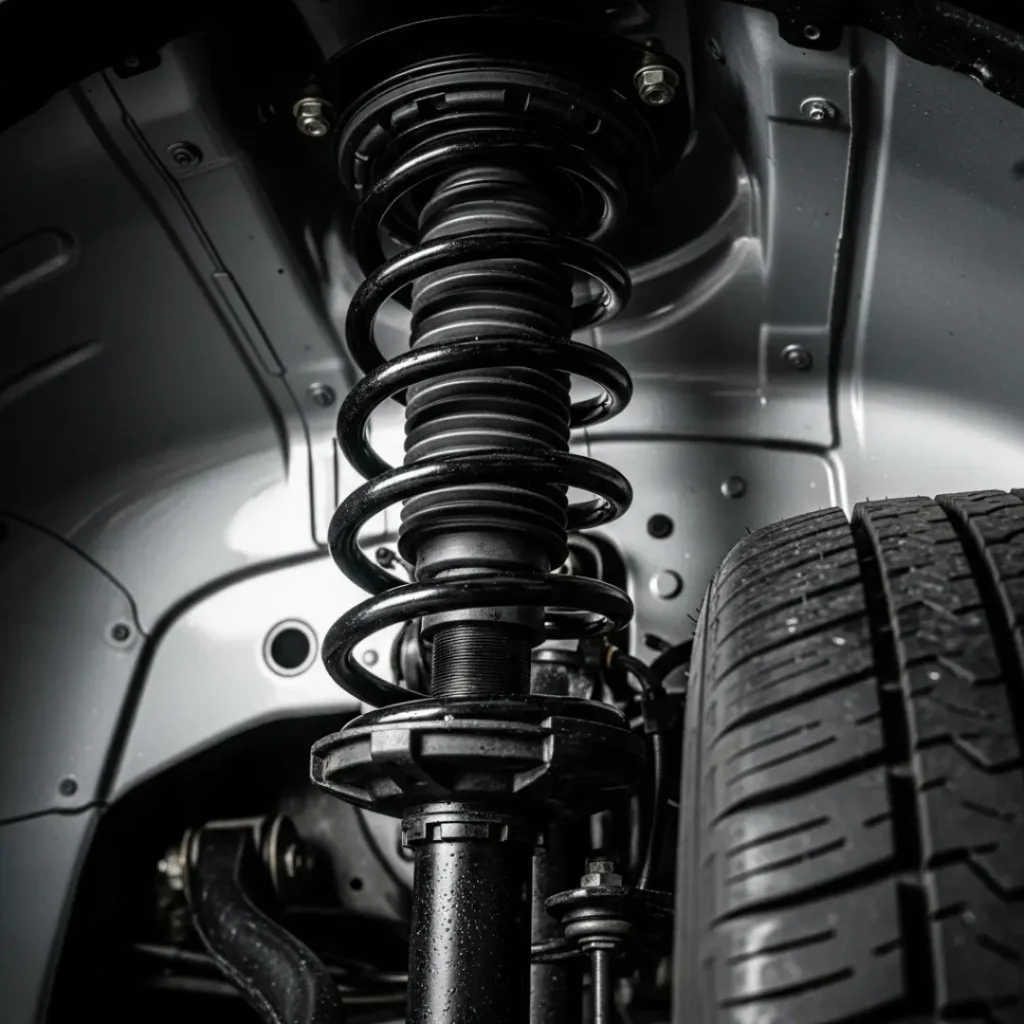
Lincoln Shock Absorber Replacement Process (Step-by-Step)
Professional technicians follow a careful procedure to replace your Lincoln’s shocks safely and precisely:
- Inspection: Suspension components are visually checked for leaks, corrosion, or physical damage.
- Vehicle Lifting: The Lincoln is raised securely using hydraulic lifts.
- Wheel Removal: Access is created by removing wheels near the shocks.
- Disconnecting the Shock Mounts: Bolts connecting the shocks to the control arms or chassis are carefully loosened.
- Shock Removal: The old shocks are removed using specialized tools.
- New Shock Installation: New OEM or premium Arnott shocks are installed and torqued to manufacturer specifications.
- Reassembly: Wheels are mounted, and the suspension is rechecked for alignment.
- Alignment & Test Drive: Finally, a road test ensures balance, stability, and proper damping.
For air or adaptive suspension systems, additional electronic calibration or sensor resetting is performed.
Maintenance Tips After Shock Absorber Replacement
Replacing your Lincoln’s shock absorbers is only the first step toward maintaining a luxurious and stable drive. Follow these simple maintenance tips to keep your suspension system performing like new:
- Schedule Regular Inspections: Have your suspension system checked every 10,000–15,000 km to catch early signs of wear or leaks.
- Maintain Proper Tire Pressure: Uneven or low tire pressure can strain new shocks and affect ride comfort.
- Avoid Overloading the Vehicle: Carrying excessive weight can shorten the lifespan of your shocks and other suspension components.
- Get Wheel Alignments Periodically: Proper alignment ensures even tire wear and consistent handling.
- Clean the Undercarriage: Rinse off dirt, mud, or road salt, especially during rainy or coastal conditions, to prevent corrosion on suspension parts.
By following these steps, your Lincoln’s new shock absorbers will deliver long-lasting comfort, stability, and performance — preserving that signature Lincoln luxury for years to come.
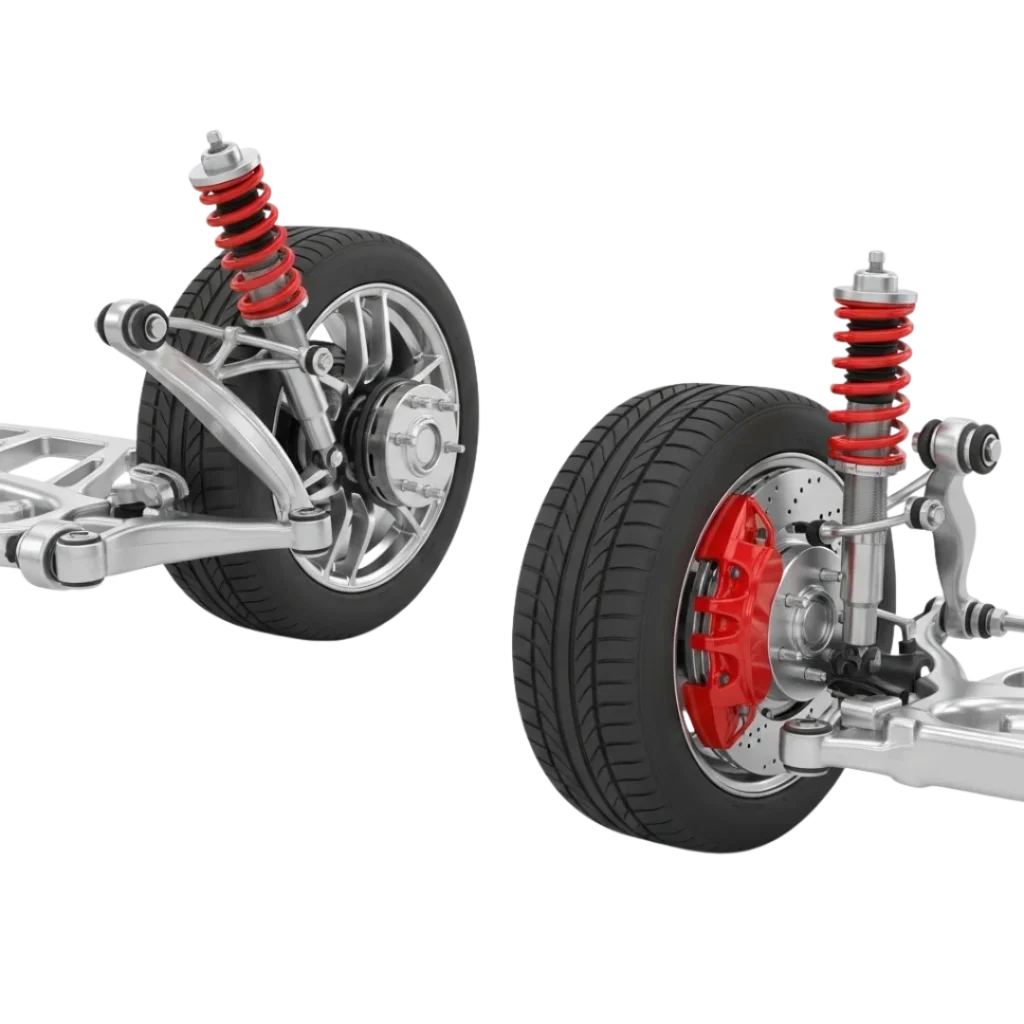
Lincoln Shock Absorber Replacement Cost – Key Factors
The cost of replacing shocks varies widely depending on several variables. Instead of listing prices, here’s what determines your total expense:
| Cost Factor | Description |
|---|---|
| Model & Year | Luxury models with adaptive or air suspension (Navigator, Aviator) cost more than standard ones (MKC, MKZ). |
| Shock Type | Air shocks and adaptive dampers are pricier than traditional gas or hydraulic types. |
| Front or Rear Shocks | Front shock replacement usually requires more labor due to the steering linkage and suspension complexity. |
| Labor Rates | Rates vary depending on workshop expertise and region. |
| Additional Repairs | Worn mounts, control arms, or alignment requirements may increase total cost. |
| Parts Quality | OEM and Arnott shocks cost more but offer superior performance and longevity. |
Tip: Always replace shocks in pairs, either both fronts or both rears. This ensures consistent handling and prevents uneven suspension response.
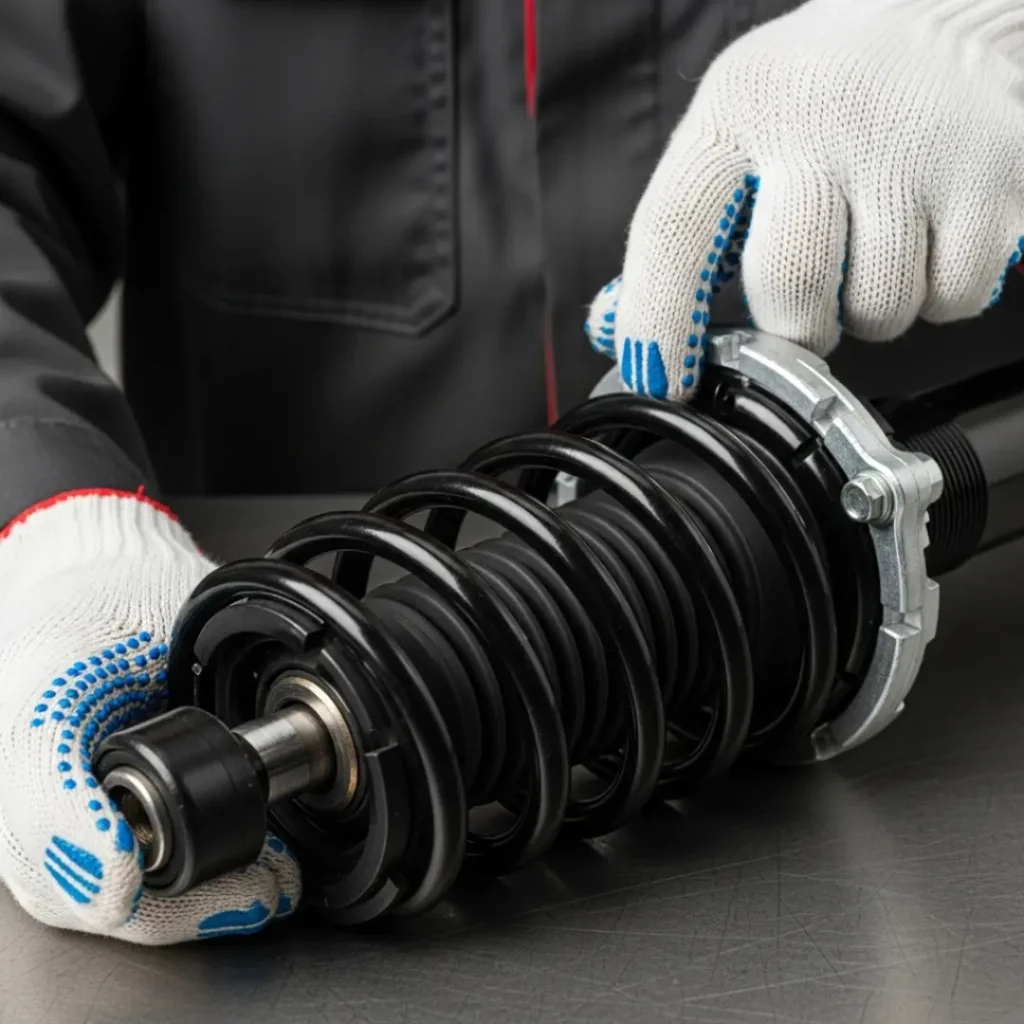
Why Professional Replacement Matters
DIY replacement may seem cheaper, but modern Lincoln suspensions, especially air or adaptive systems, are complex and require precise handling.
Professional technicians ensure:
- Proper installation and torque specifications.
- Correct calibration for air or adaptive systems.
- Full inspection of related components (struts, springs, mounts).
- Wheel alignment after installation.
- Warranty protection and certified parts.
A professional replacement guarantees that your Lincoln maintains its luxurious, factory-level comfort.
Why Choose Us for Lincoln Shock Absorber Replacement
When it comes to maintaining the elegance and performance of a Lincoln, every detail matters, especially the suspension. Our workshop combines technical precision, premium-grade parts, and luxury-car expertise to ensure your vehicle continues to deliver its signature smooth and confident ride.
Here’s why Lincoln owners trust us:
Certified Lincoln Suspension Specialists
Our technicians are factory-trained and experienced in handling all Lincoln suspension systems, including advanced adaptive air suspension setups. From the MKZ to the Navigator, every job is executed with accuracy and care.
Genuine OEM and Premium Aftermarket Parts
We use only Lincoln-approved OEM or top-tier Arnott replacement shocks. These components match or exceed original performance standards, ensuring lasting comfort, stability, and reliability.
Advanced Diagnostic and Calibration Equipment
Your Lincoln deserves precision. We use computerized diagnostic tools and alignment systems to calibrate suspension height, damping, and geometry, restoring factory-grade ride quality.
Transparent Service and Honest Evaluation
Before we begin, we provide a clear inspection report, explain every step, and discuss available options. No hidden costs, just expert recommendations tailored to your car’s exact needs.
Fast Turnaround Without Compromise on Quality
Our efficient workflow ensures your vehicle is serviced promptly while maintaining the highest safety and quality standards. Most replacements are completed within the same day.
Comprehensive Suspension Care
Beyond shocks, we inspect struts, control arms, bushings, and mounts to ensure your entire suspension system functions flawlessly, giving you peace of mind on every drive.
Guaranteed Comfort and Performance
We stand behind our work. Every Lincoln shock replacement comes with a service warranty, ensuring long-term performance and satisfaction.
FAQs
How do I know if my Lincoln’s shock absorbers need replacement?
You may notice symptoms like excessive bouncing, uneven tire wear, nose-diving during braking, poor handling, or fluid leaking from the shocks. If you experience a rough or unstable ride, it’s time for an inspection.
How often should shock absorbers be replaced in a Lincoln?
Most Lincoln models require shock absorber replacement every 60,000 to 100,000 km, depending on driving conditions, road quality, and maintenance habits. Regular inspection helps catch early wear before it affects ride quality.
What happens if I drive with bad shock absorbers?
Worn shocks reduce road grip, increase braking distance, and cause excessive body roll. Prolonged driving with damaged shocks can also lead to premature tire wear and strain on other suspension components.
Are Lincoln shock absorbers the same as struts?
Not exactly. Shock absorbers control movement and dampen vibrations, while struts serve as both a damping and structural component of the suspension system. Many Lincolns use a combination of both.
Do Lincoln vehicles have air suspension?
Yes, higher-end Lincoln models such as the Navigator, Aviator, and Continental feature adaptive air suspension systems. These systems automatically adjust ride height and comfort levels for optimal performance.
Can I replace Lincoln shock absorbers with aftermarket options?
Yes, but quality matters. Always choose premium aftermarket brands or OEM-spec parts that meet Lincoln’s standards to maintain the same level of comfort and control.
How long does a Lincoln shock absorber replacement take?
In most cases, the replacement process takes 2 to 4 hours, depending on the model and whether it involves standard or air suspension components.
What causes shock absorbers to wear out quickly?
Frequent driving on rough roads, overloading the vehicle, oil leaks, or poor wheel alignment can cause premature failure of the shock absorbers. Regular maintenance helps extend their lifespan.
Should I replace all four shocks at once?
It’s recommended to replace shocks in pairs (both front or both rear) for balanced handling and stability. Replacing all four ensures even performance and smoother rides.
Do I need an alignment after replacing my Lincoln’s shock absorbers?
Yes. A wheel alignment after replacement ensures the suspension geometry is correct and prevents uneven tire wear, especially if struts were replaced along with shocks.