

Maserati Suspension Repair in Dubai: A Complete Guide
Maserati suspension repair involves diagnosing and fixing issues in your luxury car’s suspension system, which can include worn-out shocks, struts, control arms, bushings, springs, and advanced systems like the Skyhook hydraulic or air suspension. Suspension problems can cause uneven tire wear, poor handling, unusual noises, and a bouncy ride. A proper diagnosis from certified experts ensures accurate repairs, whether it’s a simple component replacement or a complex hydraulic system rebuild.
What is Maserati Suspension?
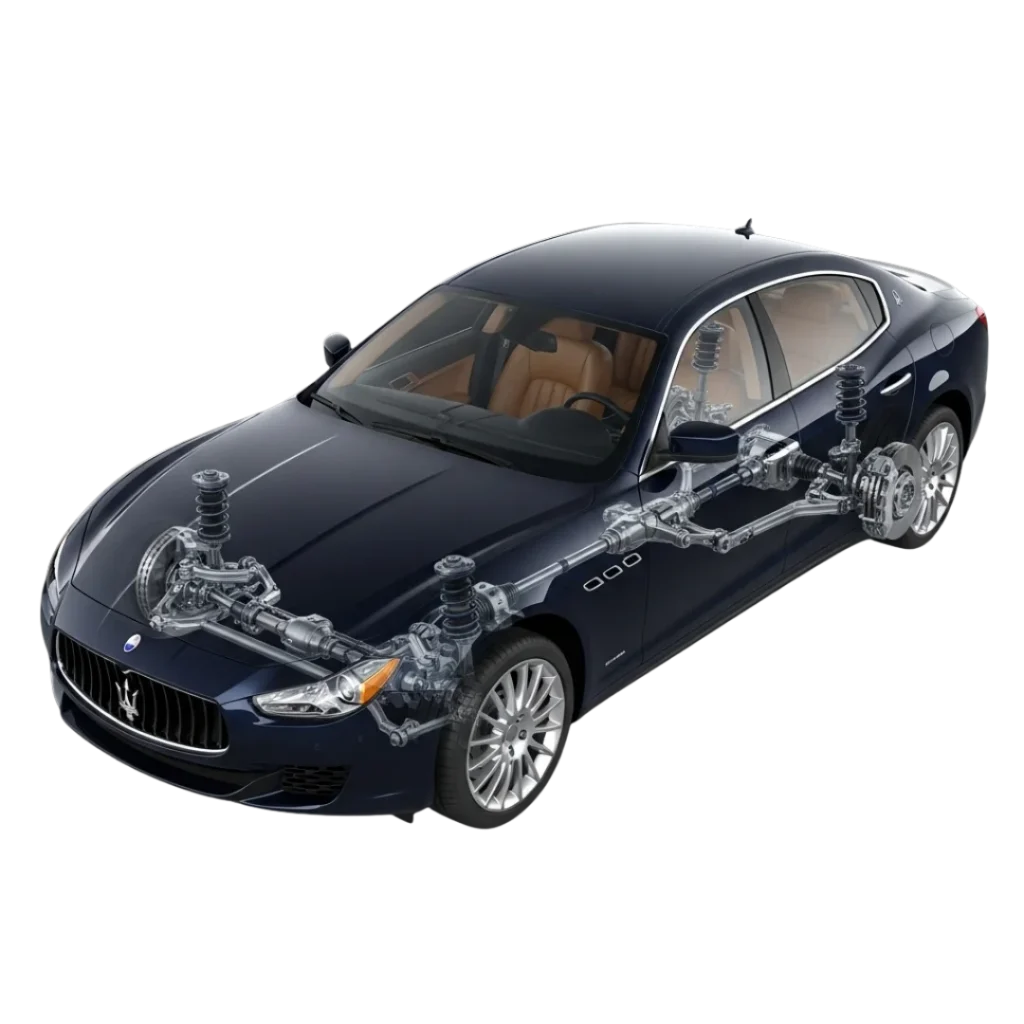
Maserati suspension is designed to provide a smooth, stable ride while maintaining precise handling. Components include:
- Shocks & Struts: Control up-and-down movement and stabilize the vehicle.
- Springs: Absorb bumps and maintain ride height.
- Control Arms & Bushings: Keep wheels aligned and support steering.
- Ball Joints & Tie Rods: Connect suspension to steering for smooth turns.
- Air Suspension (Airbags & Compressors): Adjustable ride height for comfort and performance.
Skyhook Hydraulic System: Adaptive damping adjusts according to road and driving conditions.
Maserati Models and Suspension Types
Maserati Ghibli
- Suspension Type: Mechanical and optional Skyhook adaptive hydraulic system
- Common Issues: Worn shocks/struts, sagging springs, leaking hydraulic fluid, ECU or sensor errors
- Signs of Failure: Uneven tire wear, clunking noises, bouncy ride, loose steering
- Repair Approach: Inspect shocks, struts, control arms; scan ECU; replace worn components; calibrate Skyhook
Maserati Quattroporte
- Suspension Type: Air suspension standard on high trims, Skyhook available
- Common Issues: Air leaks, compressor faults, worn bushings, hydraulic pump issues
- Signs of Failure: Sagging corners, uneven ride, dashboard alerts, poor handling
- Repair Approach: Air system inspection, compressor testing, sensor diagnostics, strut replacement, system calibration
Maserati Levante
- Suspension Type: Air and Skyhook hydraulic suspension
- Common Issues: Airbag leaks, faulty accumulators, control module errors, worn shocks
- Signs of Failure: Vehicle pulls to one side, rough ride, uneven tires, erratic damping
- Repair Approach: Inspect airbags and compressors, replace damaged components, realign wheels, calibrate Skyhook
Maserati GranTurismo / GranCabrio
- Suspension Type: Mechanical or Skyhook adaptive suspension
- Common Issues: Worn shocks and struts, sagging springs, control arm wear, sensor failure
- Signs of Failure: Clunking noises, bouncy ride, uneven tire wear, handling instability
- Repair Approach: Replace worn suspension components, perform diagnostic scan, calibrate adaptive system
Maserati MC20
- Suspension Type: Advanced Skyhook hydraulic adaptive suspension
- Common Issues: Sensor or control module failure, hydraulic leaks, worn struts/shocks
- Signs of Failure: Reduced handling precision, dashboard alerts, vehicle instability
- Repair Approach: Scan ECU, check hydraulic lines and accumulators, replace faulty components, calibrate adaptive damping
Common Maserati Suspension Issues
| Issue | Symptoms | Possible Causes | Recommended Action |
|---|---|---|---|
| Worn Shocks & Struts | Bouncy ride, poor handling | Age, leaks, wear | Replace with OEM or high-quality parts |
| Broken Springs | Sagging ride, uneven height | Fatigue, impact | Replace springs and mounts |
| Control Arms & Bushings | Loose steering, clunking noises | Wear, cracks | Replace or rebuild components |
| Ball Joints & Tie Rods | Steering instability | Looseness, corrosion | Replace and realign wheels |
| Air / Skyhook Issues | Uneven ride, ECU warnings | Leaks, faulty sensors, compressor | Diagnose & repair system |
| Hydraulic Pump / Accumulator | Pressure loss, unstable ride | Wear or leaks | Service or replace & calibrate |
| Chassis Misalignment | Pulling, uneven tire wear | Worn components or impact | Realignment |
| Faulty Sensors / Control Module | Erratic damping | Electrical faults | Reset or replace module |
Step-by-Step Maserati Suspension Repair Process
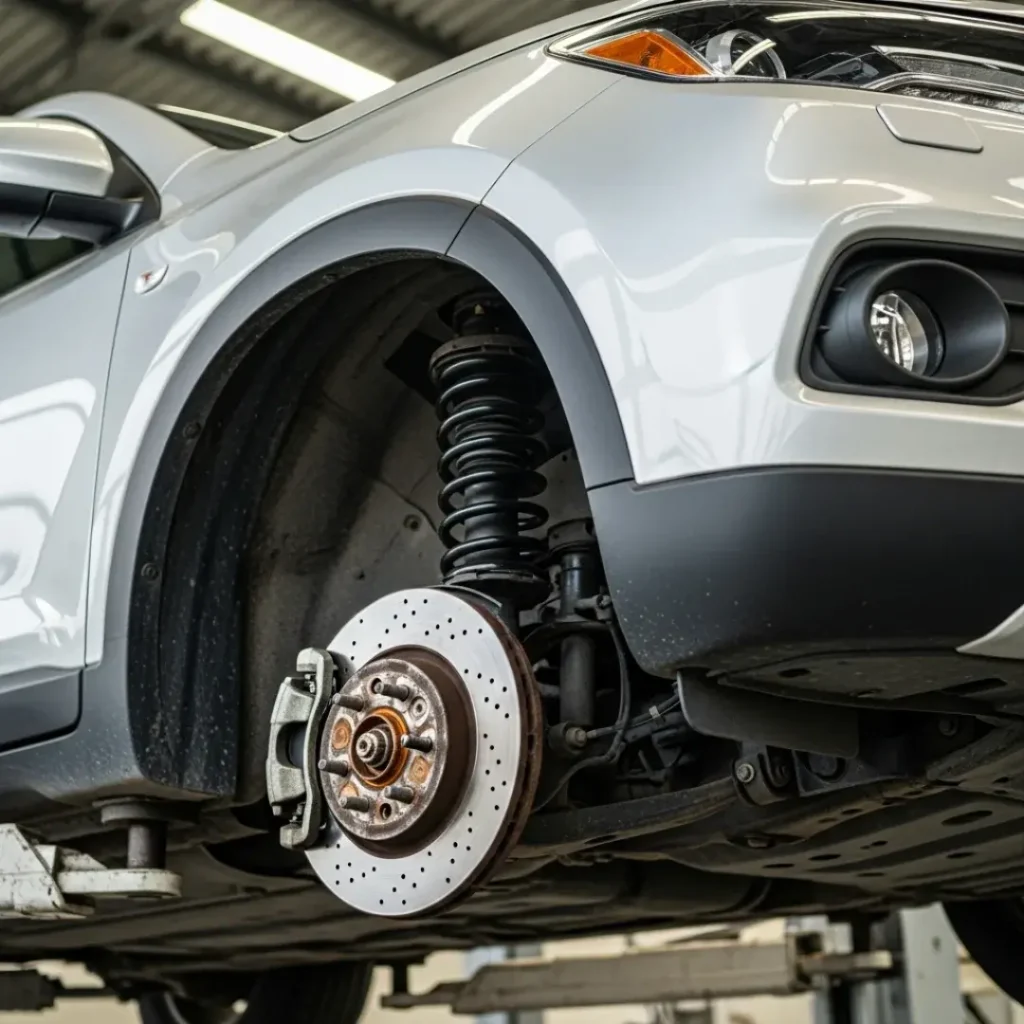
- Visual Inspection: Check for leaks, cracks, or damage.
- Performance Testing: Bounce test and handling assessment.
- Diagnostics: Scan ECU for error codes (Skyhook / Air suspension).
- Component Replacement: OEM or high-quality aftermarket parts.
- Wheel Alignment & Calibration: Crucial after major repairs.
- Road Testing: Verify ride comfort, stability, and system functionality.
OEM Parts for Maserati Suspension
Using OEM (Original Equipment Manufacturer) parts is crucial for maintaining the performance, safety, and longevity of your Maserati’s suspension system. Here’s why:
Benefits of OEM Parts:
- Perfect Fit & Compatibility: OEM parts are designed specifically for your Maserati model, ensuring precise fit and proper function.
- Maintains Handling & Ride Quality: Using original parts preserves the intended handling characteristics and smooth ride engineered by Maserati.
- Long-Term Durability: OEM components often last longer than generic aftermarket parts, reducing the need for frequent replacements.
- Safety Assurance: Critical suspension components like control arms, shocks, struts, and airbags must meet Maserati’s safety standards. OEM parts guarantee this compliance.
- Warranty Support: Many OEM parts come with manufacturer warranties, offering added protection and peace of mind.
When to Consider Aftermarket Parts
High-quality aftermarket parts can be used as a cost-saving alternative, but they must match OEM specifications closely. Avoid cheap or low-quality aftermarket components, as they may compromise ride quality, safety, and vehicle longevity.

Air & Skyhook Suspension Repair
Common Issues: Leaks, worn struts, faulty sensors, compressor issues, control module errors
Repair Steps:
- Inspect airbags, compressors, and air lines
- Test compressors and replace if needed
- Scan ECU, reset or replace faulty modules
- Replace worn shocks, struts, and accumulators
- Calibrate the system and perform a test drive
Cost of Maserati Suspension Repair
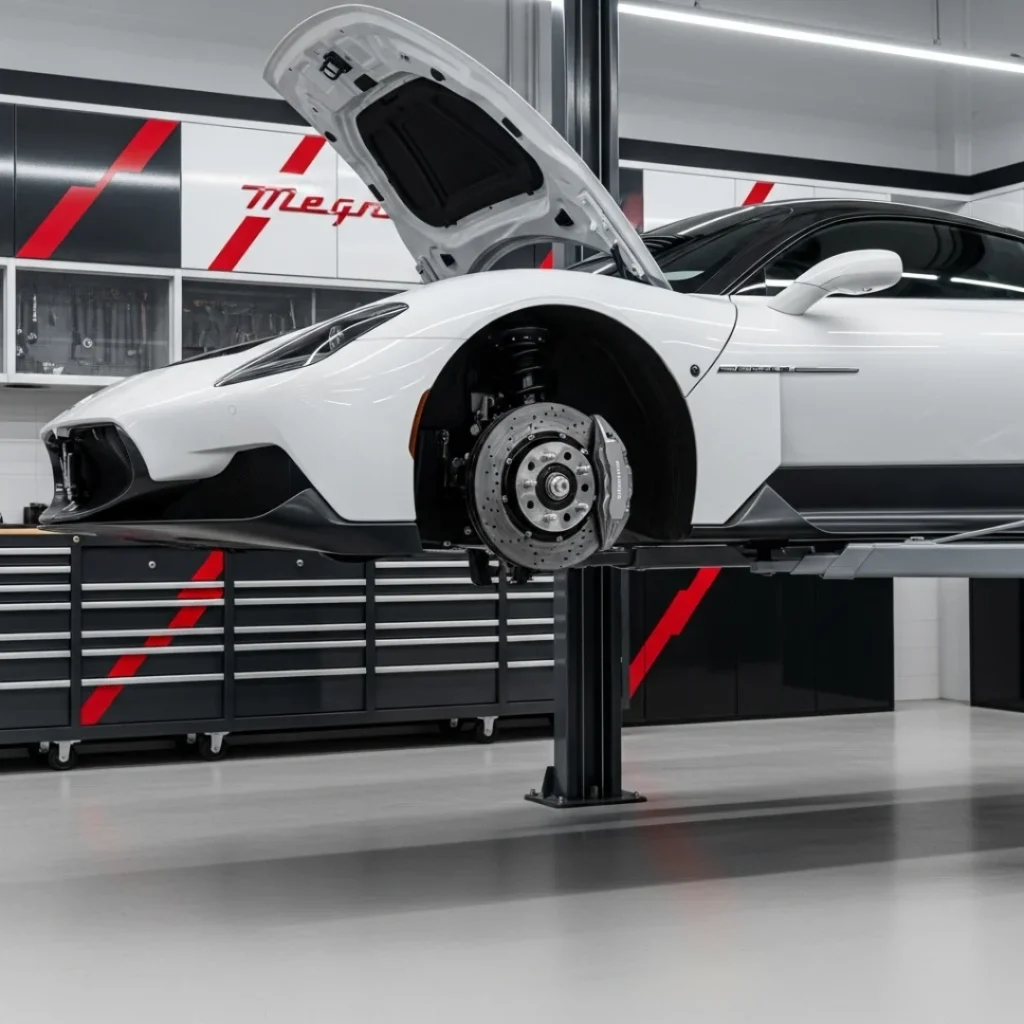
Repairing a Maserati suspension is not a fixed-price service. The cost can vary widely depending on several factors, including:
Factors Affecting Cost:
- Model and Year: Newer or high-performance models like MC20 or Levante with advanced Skyhook systems are more complex and may cost more to repair.
- Type of Suspension: Mechanical systems are simpler and less costly, while air and skyhook adaptive suspensions require advanced diagnostics and calibration.
- Components Needing Replacement: Replacing a single shock or strut is simpler than addressing multiple issues like airbags, compressors, or hydraulic accumulators.
- Labour Expertise: Specialized Maserati-certified technicians may charge higher labor rates due to their expertise, but this ensures safety, precision, and long-term performance.
- Parts Quality: Using OEM or high-quality aftermarket parts can influence overall cost. OEM parts are pricier but maintain performance and durability.
Maintenance Tips for Maserati Suspension
| Component | Inspection Interval | Maintenance Tips |
|---|---|---|
| Shocks & Struts | 10,000–15,000 miles | Check for leaks and bounce |
| Springs | 15,000 miles | Inspect for sagging or cracks |
| Control Arms & Bushings | 15,000 miles | Replace if worn |
| Ball Joints & Tie Rods | 15,000 miles | Check for looseness |
| Air / Skyhook | Yearly | Inspect airbags, compressors, sensors, and the ECU |
| Wheel Alignment | 5,000–10,000 miles | After repairs or impacts |
Factors Affecting Maserati Suspension Repair
Maserati suspension repair is not a one-size-fits-all service. Several factors can influence the repair process, its complexity, and how long it takes to restore your car to peak performance:
Model and Year
Each Maserati model has a unique suspension design. For instance, older Ghibli or Quattroporte models may have simpler hydraulic systems, while newer Levante or MC20 models use advanced Skyhook adaptive suspensions. The year also matters because components may have been upgraded or redesigned, affecting part availability and repair approach.
Type of Suspension
Mechanical suspensions are relatively straightforward, usually involving shocks, struts, springs, and control arms. Air suspensions use airbags, compressors, and pressure sensors, which require precise handling and calibration. Skyhook systems are the most complex, integrating hydraulic components with electronic sensors for adaptive damping. Repairs here require advanced diagnostic tools and specialist knowledge.
Components Needing Replacement
Repair complexity depends on which parts are worn or damaged. Replacing a shock absorber is simpler than addressing hydraulic leaks, faulty accumulators, or airbag failures. In some cases, multiple components may fail simultaneously, which can extend repair time.
Repair Complexity
The difficulty of the repair varies with the issue. A routine strut replacement is straightforward, but hydraulic system repair, sensor replacement, or Skyhook calibration is highly technical. Precision is crucial, as even minor mistakes can affect handling and ride quality.
Labor Expertise
Maserati suspension systems require specialized knowledge. Certified mechanics with experience in luxury and high-performance vehicles can identify subtle problems that generic workshops might miss. Their skill ensures that repairs restore safety, performance, and longevity.
How It Works
Repairing Maserati suspension follows a structured, step-by-step process to ensure precision and safety:
- Inspection & Diagnostics
A certified technician performs a detailed visual inspection, checking for leaks, cracks, wear, or loose components. Advanced diagnostic tools scan the ECU for errors, especially in Skyhook and air suspension systems. - Assessment & Repair Plan
Based on findings, a repair plan is created, detailing which components need replacement or servicing. This plan prioritizes safety, performance, and cost efficiency. - Component Replacement or System Servicing
Worn or damaged parts like shocks, struts, control arms, airbags, or hydraulic pumps are replaced with OEM or high-quality aftermarket components. Repairs are executed carefully to preserve system integrity. - Calibration & Alignment
Post-replacement, the suspension system is calibrated. Air suspension pressures and Skyhook damping settings are adjusted. Wheels are aligned to ensure even tire wear, optimal handling, and proper steering response. - Road Testing & Quality Assurance
After repairs, the vehicle undergoes rigorous road testing to confirm smooth handling, stability, and correct function of all suspension components. Any minor adjustments are made before final delivery.
Why Choose Us
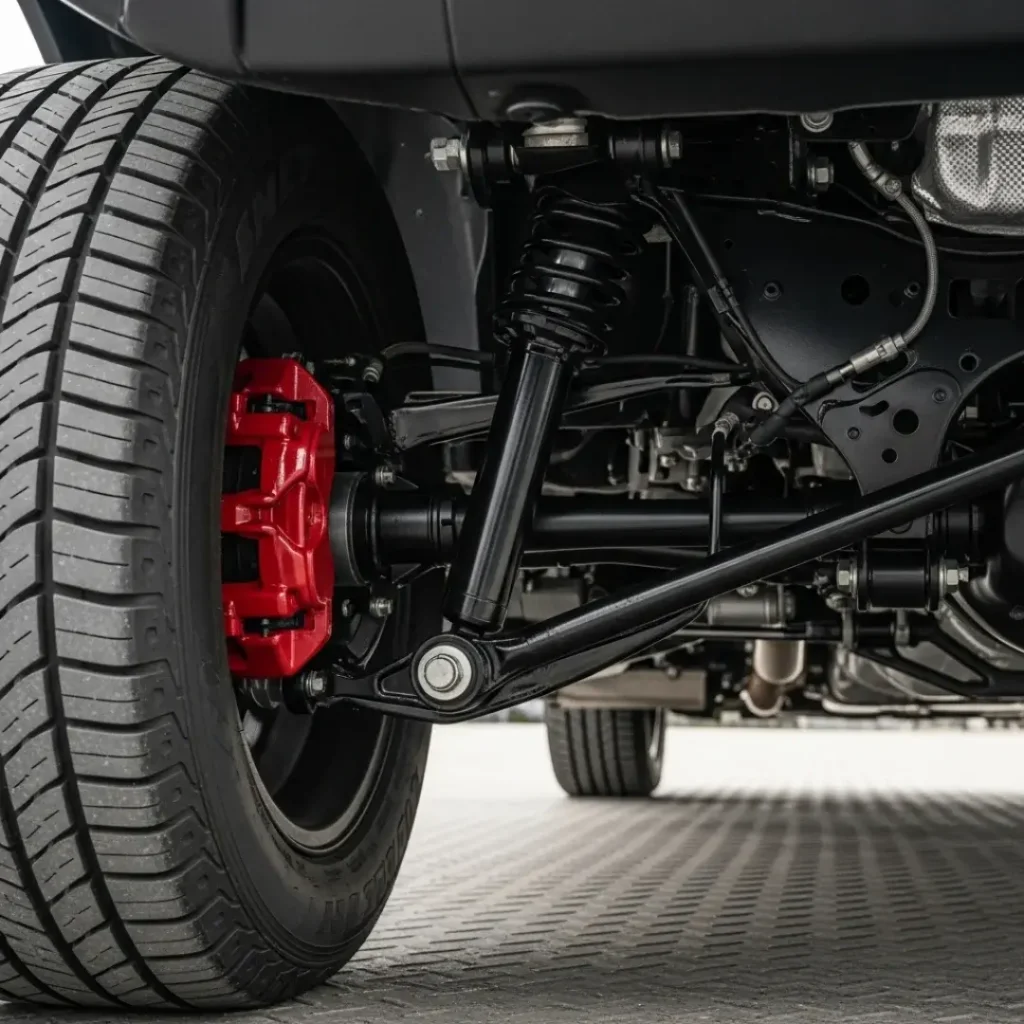
Choosing the right service provider is critical for Maserati suspension care:
- Certified Maserati Specialists – Our technicians are trained specifically to handle Maserati models and their unique suspension systems.
- Expertise in All Suspension Types – We work on mechanical, air, and Skyhook adaptive systems with equal precision.
- OEM and Premium Parts – We use original or high-quality parts to ensure durability and maintain vehicle performance.
- Advanced Diagnostics Tools – Our workshop is equipped with the latest technology to accurately detect issues and calibrate sophisticated suspension systems.
- Quality Assurance – Every repair is tested and validated to ensure safety, smooth ride quality, and long-term performance.
Advantages of Professional Maserati Suspension Service
- Optimized Ride Comfort & Handling: Expert repair ensures your Maserati delivers the smooth, stable ride it was designed for.
- Extended Component Life: Proper maintenance and high-quality parts reduce premature wear of shocks, struts, and bushings.
- Safety Assurance: Well-maintained suspension improves braking, steering, and overall vehicle stability.
- Prevents Costly Repairs: Early detection and professional repairs prevent minor issues from becoming major, expensive problems.
- Customized Solutions: Technicians tailor repairs for each Maserati model and suspension type (mechanical, air, Skyhook).
- Peace of Mind: Certified specialists, genuine parts, and precise calibration guarantee long-term performance and reliability.
Frequently Asked Questions
What are the early signs that my Maserati’s suspension needs repair?
Look out for: unusual noises (clunking, knocking), a noticeably bouncy or rough ride, one side of the car “sitting low”, uneven or excessive tyre wear, loose or vague steering feel, dashboard warnings (especially for air/skyhook systems).
How often should I have the suspension system inspected?
While there is no one‑size‑fits‑all interval, many specialists recommend a detailed inspection annually or every ~10,000‑15,000 miles (or the local equivalent), especially if the vehicle is driven in demanding conditions (hot climate, rough roads). Regular checks help catch wear before serious damage.
What is the difference between mechanical suspension, air suspension, and Skyhook hydraulic/ adaptive suspension on a Maserati?
- Mechanical: Traditional shocks, springs, struts, and control arms.
- Air suspension: Uses air springs/compressors to adjust ride height and comfort.
- Skyhook hydraulic/adaptive suspension: Combines hydraulics and electronics to adjust damping and ride characteristics in real time. Each type has different maintenance needs and repair complexity.
Can I drive the Maserati if the suspension warning light is on?
It depends on the issue, but any warning light related to the suspension (especially air or Skyhook systems) should be taken seriously. Driving with a faulty suspension can risk safety (handling, stability) and potentially cause further damage.
How much will it cost to repair the suspension on a Maserati?
Rather than specific figures (which vary widely by model, system type, and the extent of damage), the cost depends on:
- The vehicle model and year
- Whether the system is mechanical, air, or Skyhook
- Which components need replacement (shocks, struts, springs, compressors, sensors)
- Labour time and specialist expertise required
OEM parts vs aftermarket parts which should I choose for my Maserati suspension?
OEM (Original Equipment Manufacturer) parts typically guarantee correct fit and performance, especially for high‑end systems like Skyhook or air suspension. Aftermarket can be a cost‑saving option, but you must ensure high quality and compatibility, as incorrect parts may underperform or cause further issues.
What maintenance can I do to extend the life of my Maserati’s suspension?
- Regular visual inspections: look for leaks around shocks/struts, sagging springs, and damaged bushings.
- Keep tyres properly inflated and check alignment regularly.
- Avoid aggressive driving over very rough roads or large potholes, which accelerate wear.
- For air/skyhook systems: monitor ride height and response, listen for compressor noise, and watch for any dashboard errors.
- Choose a specialist workshop experienced with Maserati high‑performance and adaptive suspension systems.
What causes uneven tyre wear in Maserati vehicles, and how is it linked to suspension?
Are specific suspension problems common to certain Maserati models?
Yes. For example, some owners of the Levante or Quattroporte with air suspension have reported compressor or air spring leaks. Older models may suffer from worn bushings or control arms more than newer ones with adaptive systems. It’s useful to check model‑specific forums or service bulletins.
What should I look for when choosing a garage/technician for Maserati suspension repair?
- Technicians with experience in high‑performance/luxury vehicles and Maserati in particular.
- Diagnostic tools compatible with Maserati air and adaptive suspension systems.
- Use of OEM or high‑quality parts.
- Clear inspection reports and an explanation of what’s wrong, what will be fixed.
- After‑repair testing and alignment verification.
- Transparent communication about what is truly needed versus what may be optional.