
How Many Shock Absorbers Does a Car Have?
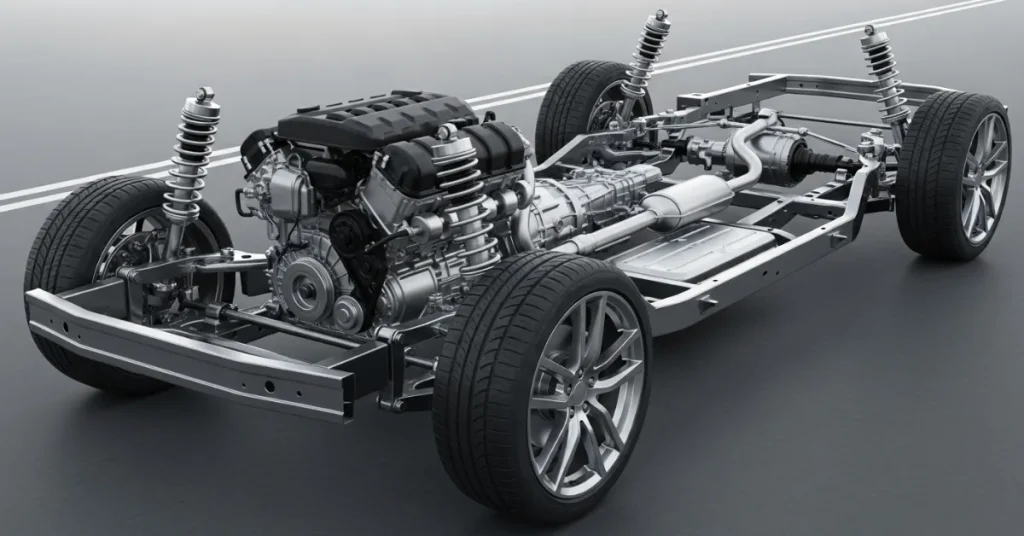
Shock absorbers are one of the most important parts of your car’s suspension system. They control movement, improve comfort, and keep your vehicle stable on the road. Many drivers in Dubai often ask a simple but important question: how many shock absorbers does a car have?
Understanding this helps you recognize problems early and take timely action. In this guide, we explain how many shock absorbers a car has, how they work, and why professional suspension repair in Dubai is essential for safe driving.
What Are Shock Absorbers and Why Are They Important?
Shock absorbers control the movement of your car’s suspension springs. When you drive over bumps, speed breakers, or uneven roads, the springs compress and expand. Shock absorbers slow this movement and prevent excessive bouncing.
Without properly working shock absorbers, your car would feel unstable, difficult to control, and uncomfortable to drive. They play a key role in safety, steering, braking, and ride quality, especially on Dubai’s busy roads and highways.
How Many Shock Absorbers Does a Car Have?
Most cars have four shock absorbers, one for each wheel. This design allows every wheel to respond independently to road conditions while keeping the vehicle balanced.
Each shock absorber works with the spring and other suspension components near that wheel. Together, they ensure that all four tires remain in contact with the road, even when driving over rough surfaces or during sudden braking.
Do All Vehicles Have Four Shock Absorbers?
In most cases, yes. However, the exact setup can vary depending on the vehicle type and suspension design.
- Sedans and hatchbacks usually have four shock absorbers.
- SUVs and crossovers also have four, often stronger to handle weight and uneven terrain.
- Pickup trucks typically have four, though heavy-duty models may use additional suspension support.
- Sports and luxury cars have four high-performance shock absorbers designed for precise handling.
Some vehicles use struts instead of traditional shock absorbers, especially in the front suspension. A strut combines the shock absorber and spring into one unit, but the function remains the same.
Shock Absorbers vs Struts: Simple Explanation
Many drivers confuse shock absorbers and struts. While both help control suspension movement, they are not identical.
Shock absorbers only control motion. Struts are structural components that also support vehicle weight and help maintain wheel alignment. Some cars have struts in the front and shock absorbers in the rear, while others may use struts on all four wheels.
No matter the design, worn shocks or struts will eventually require professional shock absorber repair to restore comfort and safety.
Why Each Wheel Needs a Shock Absorber
Each wheel experiences different forces while driving. One wheel may hit a bump while the others remain on a smooth road. Having a shock absorber at each wheel allows the suspension to adjust independently.
This improves:
- Vehicle stability
- Steering control
- Braking performance
- Ride comfort
If even one shock absorber fails, it can affect the balance of the entire car. That’s why early inspection and timely suspension repair are so important.
Signs Your Shock Absorbers Are Worn
Shock absorbers wear out gradually, which makes problems easy to ignore. However, there are clear signs that indicate the need for inspection or repair:
- Excessive bouncing after bumps
- Nose-diving when braking
- Poor control during turns
- Uneven or fast tire wear
- Clunking or knocking noises
- Rough or unstable ride
If you notice these symptoms, professional shock absorber repair can prevent further damage to the suspension system.
How Long Do Shock Absorbers Last?
On average, shock absorbers last between 50,000 and 100,000 miles, depending on driving habits and road conditions. Frequent driving on rough roads, carrying heavy loads, or aggressive driving can shorten their lifespan.
Dubai driving conditions, including speed bumps, sudden braking, and long highway travel, can also impact shock absorber wear. Regular inspections help detect issues early and reduce overall repair costs.
Should Shock Absorbers Be Replaced in Pairs?
Yes, shock absorbers should always be replaced in pairs, either both front or both rear. Replacing only one can cause uneven handling and reduce stability.
In many cases, replacing all four at the same time is recommended, especially if they have similar mileage. This ensures balanced suspension performance and improves overall driving comfort.
What Happens If You Ignore Worn Shock Absorbers?
Driving with worn shock absorbers affects more than comfort. It can reduce safety and increase the risk of accidents.
Common problems include:
- Longer stopping distances
- Reduced steering control
- Faster tire wear
- Increased stress on suspension and steering components
Delaying suspension repair can turn a small issue into a major repair. Early shock absorber repair helps maintain vehicle safety and performance.
Role of Shock Absorbers in Suspension Health
Shock absorbers work closely with springs, control arms, bushings, and tires. When shocks wear out, other components must work harder, which leads to faster wear and higher repair costs.
Keeping shock absorbers in good condition supports the entire suspension system and helps maintain proper alignment and handling. This makes suspension repair more effective and long-lasting.
Benefits of a Healthy Suspension System
Maintaining your shock absorbers and suspension system offers several benefits:
- Smoother and quieter rides
- Better control during braking and turning
- Improved safety for passengers
- Longer tire life
- More confidence while driving
These benefits show why timely suspension repair and shock absorber repair are essential, not optional.
Conclusion
So, how many shock absorbers does a car have? In most cases, the answer is four—one for each wheel. Each shock absorber plays a critical role in keeping your car stable, comfortable, and safe on the road.
Understanding how shock absorbers work and recognizing early signs of wear allows you to take action before problems get worse. Regular inspections, proper maintenance, and timely suspension repair in Dubai help ensure a smooth, reliable driving experience.
A well-maintained suspension system improves comfort, safety, and vehicle performance, making every journey more confident and enjoyable.