
Air Suspension Advantages and Disadvantages: A Comprehensive Guide
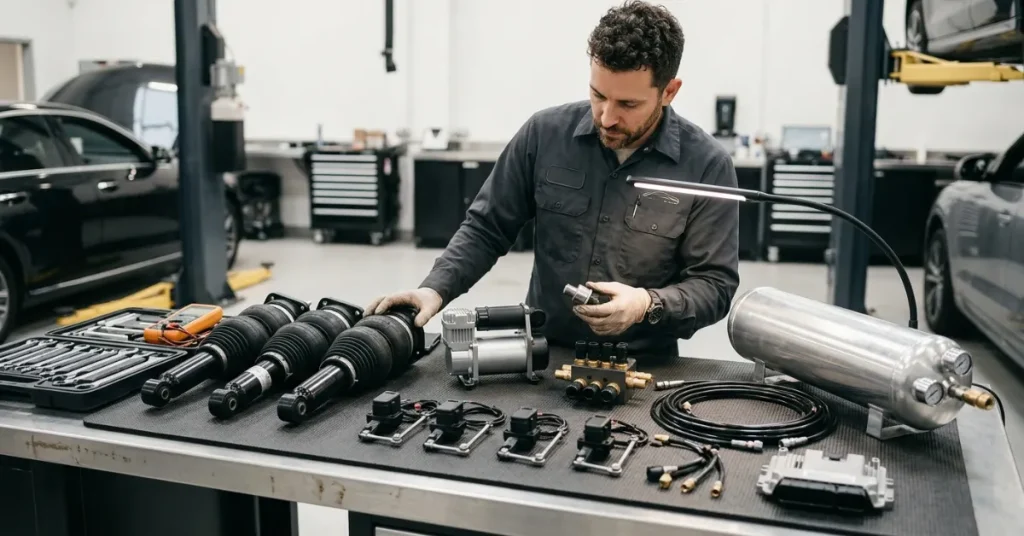
Air suspension has become a popular choice for many luxury cars and SUVs because it offers a smoother ride and better control than traditional suspension systems. It is especially useful for drivers who want more comfort, adjustable ride height, and improved vehicle stability.
The air suspension advantages and disadvantages depend on how and where the vehicle is used. The main advantages include better ride comfort, adjustable ground clearance, automatic load leveling, improved handling, and better highway aerodynamics.
On the other hand, it also has disadvantages such as higher repair costs, complex electronic parts, heat damage, and the risk of complete suspension failure if an air leak develops. For drivers in Dubai, understanding both sides helps in making the right decision.
What Is Air Suspension?
Air suspension is a suspension system that uses compressed air instead of traditional steel coil springs to support the vehicle. It works with air springs, an air compressor, height sensors, valves, and an electronic control module.
The system adjusts the amount of air inside the suspension to keep the vehicle at the correct height. Many luxury vehicles, premium SUVs, and some commercial vehicles use this technology because it improves ride quality while adapting to different driving conditions.
How Does Air Suspension Work?
The system stores compressed air inside a reservoir and sends it to the air springs whenever needed. Height sensors constantly measure the vehicle’s position and send information to the electronic control unit (ECU). The ECU then controls the compressor and air valves to increase or reduce air pressure.
If the vehicle is carrying heavy luggage or extra passengers, the system automatically adds more air to maintain a level ride height. When driving at higher speeds, many systems lower the vehicle slightly to improve aerodynamics and stability.
Advantages of Air Suspension
Air suspension offers several performance and comfort benefits that make it popular in modern vehicles. While it costs more than standard suspension, many drivers appreciate its ability to adapt to different road conditions.
1. Superior Ride Comfort
One of the biggest benefits is the smooth driving experience. Instead of relying on metal springs, air-filled rubber bellows absorb road vibrations more effectively.
Potholes, uneven roads, and speed breakers feel much softer, reducing cabin vibration and making long drives more comfortable. This is one reason many luxury vehicle manufacturers choose air suspension for premium models.
2. Adjustable Ride Height
Unlike conventional suspension, air suspension allows the vehicle height to change depending on driving conditions. Drivers can raise the vehicle when driving on rough roads, flooded streets, or sandy areas.
At highway speeds, the suspension automatically lowers the vehicle to reduce wind resistance and improve stability. This flexibility is especially useful for SUVs that are used both on highways and off-road.
3. Automatic Load Leveling
Heavy luggage or additional passengers often cause traditional suspension systems to sag. Air suspension automatically compensates for the extra weight by increasing air pressure inside the air springs.
This keeps the vehicle level and balanced without affecting ride quality. It also improves steering response and braking performance because the vehicle maintains the correct suspension geometry.
4. Better Stability and Handling
A balanced suspension helps the tires maintain better contact with the road. During cornering, braking, or sudden lane changes, air suspension reduces body roll and improves vehicle control.
Many advanced systems continuously adjust air pressure while driving, giving drivers more confidence during highway travel and emergency maneuvers.
5. Improved Aerodynamics and Fuel Efficiency
Many modern air suspension systems automatically lower the vehicle at higher speeds. A lower ride height reduces aerodynamic drag, allowing the vehicle to move through the air more efficiently.
While the improvement in fuel economy may not be dramatic, it can contribute to lower fuel consumption during long highway trips.
6. Better Off-Road Performance
Drivers who enjoy off-road adventures benefit from the increased ground clearance offered by air suspension. Raising the vehicle helps protect the underbody from rocks, uneven surfaces, and dunes.
This makes it easier to drive through difficult terrain without damaging important components underneath the vehicle.
Disadvantages of Air Suspension
Despite its many advantages, air suspension also has several drawbacks that owners should understand before choosing it.
1. High Maintenance and Repair Costs
Air suspension contains several expensive components, including compressors, air springs, valves, sensors, and electronic control modules. If any of these parts fail, repairs can become costly.
Replacing an air compressor or leaking air strut usually costs much more than replacing a standard coil spring, making ownership more expensive over time.
2. Sensitive to High Temperatures
Extreme heat is one of the biggest challenges for air suspension systems. Constant exposure to high temperatures can dry out and crack the rubber air springs.
Heat also puts additional stress on the compressor, forcing it to work harder. In regions with very hot summers, regular inspections become more important to prevent early component failure.
3. Complex Electronic System
Unlike conventional suspension, air suspension depends on multiple electronic sensors, wiring, and control units.
If a height sensor loses calibration or an electrical fault develops, the entire system may not function correctly. Diagnosing these problems requires specialized diagnostic equipment and experienced technicians.
4. Risk of Air Leaks
Air lines, fittings, and rubber air bags can develop leaks as they age. Even a small leak forces the compressor to run more frequently to maintain the correct ride height.
Over time, continuous compressor operation may lead to overheating and premature failure, increasing repair costs.
5. Complete Suspension Failure
One of the most serious disadvantages is the possibility of complete system failure. If a major air leak occurs or the compressor stops working, the vehicle can drop onto its bump stops.
This makes the vehicle uncomfortable, difficult to control, and unsafe to drive until repairs are completed.
Air Suspension vs Standard Coil Springs
Feature | Air Suspension | Standard Coil Springs |
Ride Comfort | Very smooth and comfortable | Firmer ride |
Ride Height | Adjustable | Fixed |
Load Leveling | Automatic | Manual weight distribution |
Handling | Better body control | Good but less adaptive |
Maintenance | High | Low |
Repair Cost | Expensive | Affordable |
Electronic Components | Many | Very few |
Heat Resistance | Moderate | Excellent |
Common Signs Your Air Suspension Needs Repair
Recognizing early warning signs can prevent major suspension damage and reduce expensive repair bills. Air suspension systems often show clear symptoms before a complete failure occurs.
Identifying these issues early allows technicians to repair small faults before they affect other suspension components.
- Vehicle Leaning to One Side: One side of the vehicle sits lower, usually caused by an air spring or line leak.
- Uneven Ride Height After Parking: A lowered corner after overnight parking often indicates a slow air leak in the system.
- Compressor Running Constantly: Continuous compressor operation usually means it is compensating for pressure loss caused by leaking components.
- Suspension Warning Light Appears: Dashboard suspension warnings often point to faulty sensors, valves, or electronic control module problems.
- Bumpy or Stiff Ride Quality: Reduced ride comfort may indicate worn air springs, low pressure, or compressor performance issues.
- Slow Ride Height Adjustment: Delayed suspension height changes often result from weak compressors, blocked air lines, or faulty valves.
- Hissing Noise Near Suspension: Escaping compressed air usually signals damaged airbags, loose fittings, or leaking air lines.
If any of these warning signs appear, have the suspension system inspected as soon as possible to prevent more serious damage.
Air Suspension Maintenance Tips
Regular maintenance helps air suspension perform efficiently and extends the lifespan of expensive components. Simple preventive care can reduce wear, improve reliability, and lower the risk of unexpected breakdowns. Following these maintenance practices keeps the system operating smoothly.
- Park in Shaded Areas: Covered parking protects rubber air springs from excessive heat that can cause early cracking and deterioration.
- Clean the Undercarriage Regularly: Washing removes sand, dirt, and debris that may damage air bellows and suspension seals over time.
- Inspect Air Lines Frequently: Regular inspections help detect cracks, loose fittings, and small leaks before major failures develop.
- Monitor Compressor Operation: A compressor running longer than usual often indicates hidden air leaks requiring immediate professional attention.
- Check Vehicle Ride Height: Uneven height after parking may reveal slow pressure loss that should be repaired without delay.
- Follow the Service Schedule: Routine professional servicing keeps sensors, compressors, valves, and electronic controls working safely and efficiently.
These simple maintenance habits help improve reliability, reduce repair costs, and extend the life of the entire air suspension system.
Is Air Suspension Worth It?
The answer depends on your driving needs and maintenance budget. Drivers who value luxury, comfort, adjustable ride height, and improved vehicle handling often find air suspension worthwhile.
It performs especially well on highways, rough roads, and vehicles carrying heavy loads. However, owners should also be prepared for higher maintenance expenses and more complex repairs.
If long-term ownership costs are the main concern, traditional coil spring suspension remains a more economical choice. Understanding how the system works and maintaining it properly will help you enjoy its benefits while reducing the chances of expensive failures.
Conclusion
Air suspension offers outstanding ride comfort, adjustable ground clearance, automatic load leveling, and improved vehicle stability, making it a great choice for many luxury cars and SUVs.
However, it also comes with higher maintenance costs, complex electronic components, greater sensitivity to extreme heat, and the possibility of air leaks over time.
Understanding these benefits and limitations will help you choose the suspension system that best fits your driving style, vehicle, and long-term ownership costs.
If your vehicle is showing signs of suspension trouble or you want to keep the system performing at its best, trust Suspension Repair Dubai for expert suspension diagnosis and repairs.
Our experienced technicians use advanced diagnostic tools to identify suspension faults, replace worn components, and restore your vehicle’s comfort, safety, and handling with reliable professional service.