
Is That Bumpy Ride Normal? Mini Cooper Suspension Troubles Explained
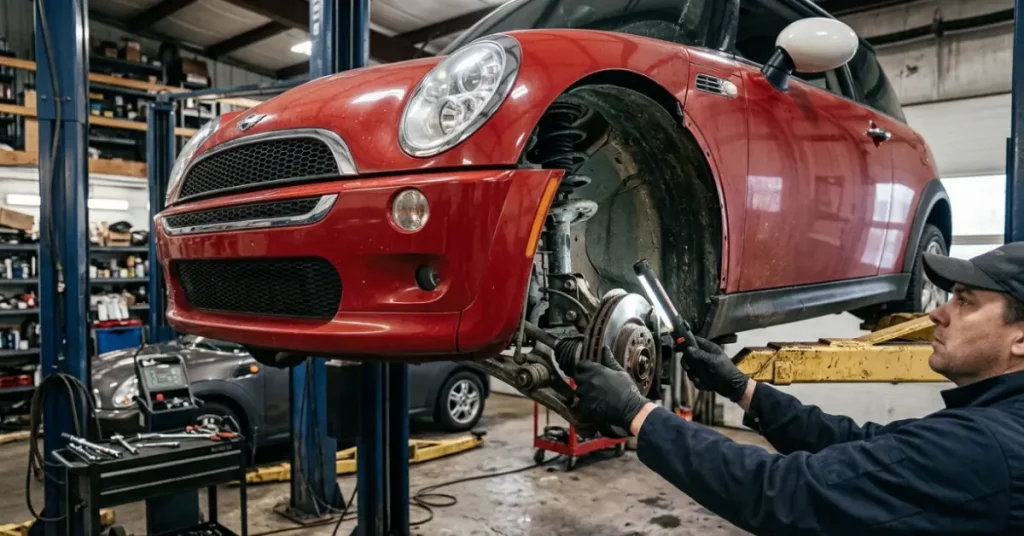
A Mini Cooper is known for its sharp steering, quick cornering, and sporty road feel. However, a ride that suddenly becomes too bumpy, noisy, or uneven is not something drivers should simply accept as normal.
A rough ride can come from worn shock absorbers, damaged suspension bushes, broken springs, bad strut mounts, worn control arm components, tyre problems, or wheel alignment issues.
Potholes and speed bumps can also place extra stress on the suspension. In older Mini Cooper models, normal wear can make these problems more noticeable, while poor-quality replacement parts may cause the ride to become harsh again soon after repair.
What Should a Healthy Mini Cooper Ride Feel Like?
A Mini Cooper has a firm suspension setup compared with many ordinary family cars. Some road feel is expected because the vehicle is designed to offer responsive handling. However, there is a clear difference between a firm ride and a faulty suspension.
A healthy suspension should control bumps without repeated bouncing, loud knocks, or excessive body movement. The car should also remain stable while braking and turning.
If the ride suddenly becomes much harder or softer than before, something may have changed. A technician should inspect the suspension if the difference continues across normal roads.
Common Causes of a Bumpy Mini Cooper Ride
1. Weak Dampers Can Make the Car Bounce
Shock absorbers, also called dampers, control the movement of the springs after the wheels pass over bumps. When they work correctly, they stop the car from bouncing too much and help keep the tyres in contact with the road.
As shock absorbers wear, their damping ability becomes weaker. The Mini Cooper may bounce several times after passing over a bump. You may also notice more body movement during cornering or braking.
Some damaged dampers can develop an oil leak around the shock body. If one or both front or rear dampers are weak, the ride can become uncomfortable and handling may suffer.
2. Rubber Bushes Reduce Movement and Vibration
Suspension bushes are small rubber or rubber-like parts fitted between moving suspension components. They help control movement while reducing vibration and noise. Over time, heat, age, road impacts, and normal use can cause these bushes to crack or become soft.
A worn bush can allow more movement than the suspension system was designed to have. Drivers may hear a knocking sound when driving over uneven roads. Steering can also feel less precise, especially when accelerating or braking.
Control arm bushes are particularly important because they help keep suspension geometry stable. If they are badly worn, replacing only the shock absorber may not solve the ride problem.
3. A Damaged Spring Can Change Ride Height
Coil springs support the weight of the vehicle and work with the dampers to control suspension movement. A spring can become weak over time or break because of corrosion, repeated stress, or a strong road impact.
A broken spring may cause one corner of the Mini Cooper to sit lower than the others. You may also notice a rough ride, unusual noise, or reduced ground clearance. In some cases, the broken section can move inside the spring seat and create a sharp metallic sound.
Driving with a damaged spring can affect handling and place additional stress on other suspension parts. It should be checked as soon as possible.
4. The Upper Mount Can Cause Noise and Steering Problems
The front suspension of many Mini Cooper models uses a MacPherson strut design. At the top of the strut is a mount that connects the suspension assembly to the vehicle body. This mount usually contains a rubber section and, depending on the design, a bearing that allows the strut to turn with the steering.
When the mount becomes worn, drivers may hear a clunk or creaking noise when turning the steering wheel or driving over bumps. Steering may also feel less smooth.
A damaged strut mount can be mistaken for a bad shock absorber. A proper inspection should therefore check the complete strut assembly rather than replacing one part based only on symptoms.
5. Loose Joints Can Affect Steering Feel
Control arms help connect the wheel hub to the vehicle body while allowing controlled suspension movement. Ball joints provide a flexible connection that allows the wheel assembly to move as the suspension works and the vehicle steers.
Wear in either component can create unwanted movement. A driver may notice clunking, steering looseness, vibration, or uneven tyre wear. Severe ball joint wear can become a safety concern because the wheel may no longer remain properly controlled.
A technician can check for excessive play by inspecting the suspension and wheel assembly. If movement is found, the damaged component should be repaired or replaced before it causes further problems.
6. Potholes and Speed Bumps
Potholes and speed bumps can place a large amount of force on the suspension. A Mini Cooper that hits a deep pothole or takes a speed bump too quickly may suffer damage to a control arm, spring, strut, wheel, or suspension mount.
A hard impact can also change wheel alignment. Even if the suspension looks fine from the outside, a small change in toe or camber can affect handling and tyre wear.
After a strong road impact, watch for steering vibration, pulling to one side, new suspension noises, or uneven tyre wear. These signs may point to damage that needs a closer inspection.
7. Poor Alignment Can Make the Ride Feel Unstable
Wheel alignment controls the position and angle of the wheels in relation to the road and each other. Important alignment settings include camber, caster, and toe. If these settings move outside the correct range, the Mini Cooper may not drive as it should.
Incorrect alignment can cause the vehicle to pull to one side, make the steering wheel sit off-centre, or wear tyres unevenly. It may also make the car feel less stable when driving at higher speeds.
Alignment problems can develop after pothole impacts or suspension repairs. If suspension components have been replaced, checking alignment afterward is often an important part of the repair process.
8. Tyres Can Also Cause a Rough Ride
A bumpy ride does not always mean that a suspension part has failed. Tyres and tyre pressure can have a major effect on ride comfort. Overinflated tyres can make the Mini Cooper feel much harder over small road imperfections.
Low-profile tyres can also transmit more road vibration into the cabin because they have less sidewall to absorb impacts. A damaged tyre, uneven tread, or bent wheel can create additional vibration.
Drivers should check tyre pressure against the vehicle manufacturer’s recommended setting. If the pressure is correct but the ride remains rough, the wheels, tyres, and suspension should be inspected together.
9. Bearing Problems Can Create Noise and Vibration
Wheel bearings allow the wheels to rotate smoothly while supporting the vehicle’s weight. As a bearing wears, it may produce a humming, grinding, or rumbling sound that increases with road speed.
A badly worn bearing can also create unwanted wheel movement. This may affect how the car feels while driving, although the symptoms can sometimes be confused with tyre or suspension problems.
Wheel bearing noise often changes when the car turns left or right because the load on the bearing changes. A proper inspection can help identify whether the noise is coming from the bearing, tyre, brake, or another suspension component.
How Suspension Problems Affect Driving?
A faulty suspension can change the way a Mini Cooper responds to steering, braking, and acceleration. Weak dampers may allow the body to move more than expected, while worn bushes can allow suspension parts to shift from their intended position.
This can reduce steering accuracy and make the car feel less stable on uneven roads. Suspension problems can also affect tyre contact with the road. When a tyre does not stay properly controlled, grip may be reduced.
The issue is not only about comfort. Suspension condition plays a role in handling, braking stability, tyre life, and overall road safety.
When Should You Have the Mini Cooper Suspension Inspected?
A Mini Cooper should be inspected when a new noise, vibration, ride-height change, or handling problem appears. It is especially important to arrange a check after hitting a large pothole or curb.
A proper suspension inspection may include checking the shock absorbers, coil springs, strut mounts, control arms, ball joints, bushes, wheel bearings, tyres, and alignment.
On some models, electronic diagnostic equipment may also be useful when the vehicle has electronically controlled suspension or related warning messages.
Finding the problem early can prevent one damaged component from putting extra stress on other parts.
How to Reduce Mini Cooper Suspension Wear?
Good driving habits can help extend the lifespan of car suspension components. Slow down before speed bumps and avoid potholes whenever possible. Keeping tyres at the correct pressure also helps reduce unnecessary stress.
Regular maintenance should include checking:
- Suspension bushes for cracks or excessive movement.
- Shock absorbers for leaks and weak damping.
- Springs for cracks or breakage.
- Control arms and ball joints for looseness.
- Tyres for uneven tread wear.
- Wheel alignment after major impacts.
- Wheel bearings for noise or play.
Using quality replacement parts is also important. A cheap component may not provide the same fit, strength, or service life as a part designed for the vehicle.
Conclusion
A firm Mini Cooper ride can be normal because of its sporty suspension setup, but a new or unusually bumpy ride is not something to ignore. Worn shock absorbers, damaged bushes, weak springs, bad strut mounts, worn control arms, ball joints, wheel bearings, tyre problems, and incorrect alignment can all affect ride quality.
Road impacts can speed up suspension wear, while ignoring small noises or steering changes can allow the damage to spread to other components. Early inspection is the best way to identify the actual cause instead of guessing which part needs replacement.
If your Mini Cooper feels unusually rough, bounces after bumps, makes suspension noises, or shows uneven tyre wear, contact Suspension Repair Dubai for professional suspension inspection, diagnosis, and repair. Timely service can help restore proper handling and keep your Mini Cooper comfortable and stable on the road.