
Car Repair Scams to Avoid in Dubai: Common Tricks and How to Protect Yourself
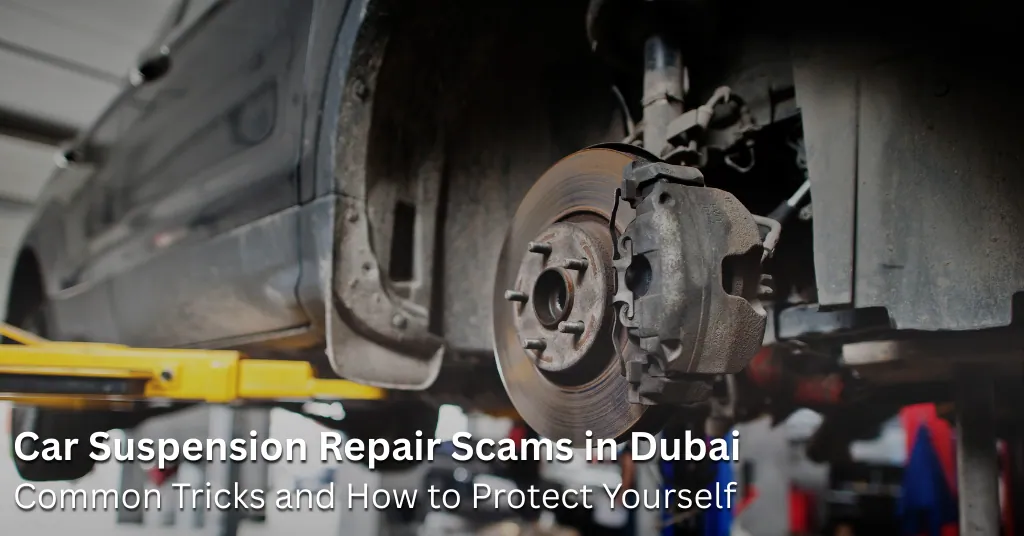
Dubai’s booming automotive market supports a wide array of garages, from authorised dealerships to small independent workshops. While most provide honest service, some take advantage of uninformed customers through scams and deceptive practices. Knowing what tricks to watch for will help you avoid unnecessary expenses and keep your vehicle in good condition. This article summarises common car repair scams in Dubai and provides tips to stay safe.
Common scams and how they work
1: Unnecessary repairs and part replacements
Mechanics sometimes recommend replacing parts that are not worn or broken. They may claim that your air filter, suspension component or catalytic converter has failed when it’s actually fine. The PitStop Arabia article about catalytic converter fraud describes how mechanics may insist on replacing a fully functional catalytic converter with a substandard one to sell the original at a profit. Similar tactics occur with other components, including batteries and suspension parts. Always ask for evidence of the failure and consider getting a second opinion before authorising expensive replacements.
2: Charging for unperformed services
A common scam is billing for services that were never carried out. The Abu Dhabi repair guide warns that some workshops list items like “system check,” “fluid top‑up,” or “wheel alignment” on the invoice without actually performing them. To avoid paying for phantom work, request before‑and‑after photos or witness the service if possible. Reputable workshops are transparent about the work they perform.
3: Inflated labour costs
Some garages overcharge by billing more labour hours than were actually spent on the job. The Dubai scams article notes that inflated labour costs are a common tactic used to increase bills. Ask for an itemised breakdown of labour hours and compare the total time with standard labour guides. If the numbers seem excessive, question the charges or get a quote from another garage.
4: Fake parts or used parts sold as new
Installing counterfeit or used parts while charging for genuine ones is another widespread scam. The Dubai scams guide warns that some garages may install counterfeit or used parts but charge for genuine new ones. Always ask to see the parts being installed and verify their authenticity by checking part numbers and packaging.
5: Bait‑and‑switch or upselling
A garage may advertise a low‑cost service such as an oil change or basic inspection to attract customers, only to claim that additional work is urgently required after the car is inspected. The same article explains that bait‑and‑switch tactics often involve presenting unexpected add‑ons that significantly increase the final bill. To protect yourself, decline non‑essential services and take time to verify whether recommended repairs are truly necessary.
6: Engine flush and fluid replacement scams
Some workshops pressure customers into buying engine flushes or fluid replacements that are not part of the manufacturer’s maintenance schedule. The Dubai scams guide notes that mechanics may push engine flushes or fluid replacements to earn extra money. Always refer to your owner’s manual and consult an independent mechanic before agreeing to additional fluid services.
7: Overcharging for diagnostic services
Charging excessive fees for computer diagnostics is another way to inflate bills. The scams guide advises comparing diagnostic fees at different garages and choosing those that offer free or affordable diagnostics.
8: Inflating small repairs into major fixes
A minor issue may be exaggerated into a major repair requiring extensive labour. The Dubai scams guide warns that workshops sometimes inflate minor repairs into major fixes to increase the bill. Ask for a detailed explanation of why a small problem requires major work, and confirm with a second opinion.
9: Charging for services not performed
In addition to overcharging for diagnostics, some mechanics claim to have completed services like wheel alignment or oil changes when they have not. Request proof of completed work, such as used parts or test reports.
10: Not honouring warranty agreements
Some garages refuse to honour warranties on previous repairs, forcing customers to pay again for the same issue. Always get warranty terms in writing and choose garages with clear policies on warranties.
11: High‑pressure sales tactics
Mechanics may use fear or urgency to persuade customers to approve expensive repairs immediately. The scams guide notes that high‑pressure sales tactics are a red flag. Take your time to consider the recommendations and seek a second opinion.
How to protect yourself
- Educate yourself: Learn basic car maintenance and understand your vehicle’s maintenance schedule. Knowledge helps you assess whether a mechanic’s recommendations are reasonable.
- Choose reputable workshops: Look for garages with certified technicians, positive reviews and transparent pricing. The Abu Dhabi guide emphasises selecting workshops with clear communication, certified technicians and warranties on parts and labour.
- Ask for written estimates: Require a written estimate before work begins, and insist that any additional repairs be authorised by you. This prevents surprise charges.
- Get a second opinion: For major repairs or when something seems off, consult another mechanic. Paying for an additional inspection may save you from unnecessary expenses.
- Keep records: Maintain an organised file of all service invoices, parts receipts, and warranty documents. The Hyundai maintenance guide and Meineke blog both advise keeping receipts to protect warranties. These records help you verify claims and detect patterns of overcharging.
- Verify parts and labour: Ask to see old parts after replacement and request documentation of labour hours. If a shop refuses, consider it a red flag.
- Stay calm under pressure: Don’t let urgency or fear influence your decisions. If a mechanic insists on immediate action, politely decline and seek another opinion.
- Report scams: If you encounter fraudulent practices, report them to Dubai’s Consumer Protection Department. Sharing your experience helps other drivers and encourages better business practices.
Conclusion
Car repair scams in Dubai range from unnecessary part replacements to inflated labour costs and fake parts. By understanding these tactics and taking proactive steps such as requesting written estimates, verifying parts and labour, and maintaining records, you can avoid becoming a victim. Reliable workshops welcome questions and respect your right to seek a second opinion. If you feel pressured or unsure, walk away. Protecting your vehicle and your finances is ultimately your responsibility. For those who manage company fleets or multiple vehicles, partnering with accountants in Dubai to audit maintenance expenses can further safeguard against scams. With knowledge and vigilance, you can navigate Dubai’s automotive service market confidently and ensure that your car receives only the repairs it truly needs.